

Interview by Ali Williams
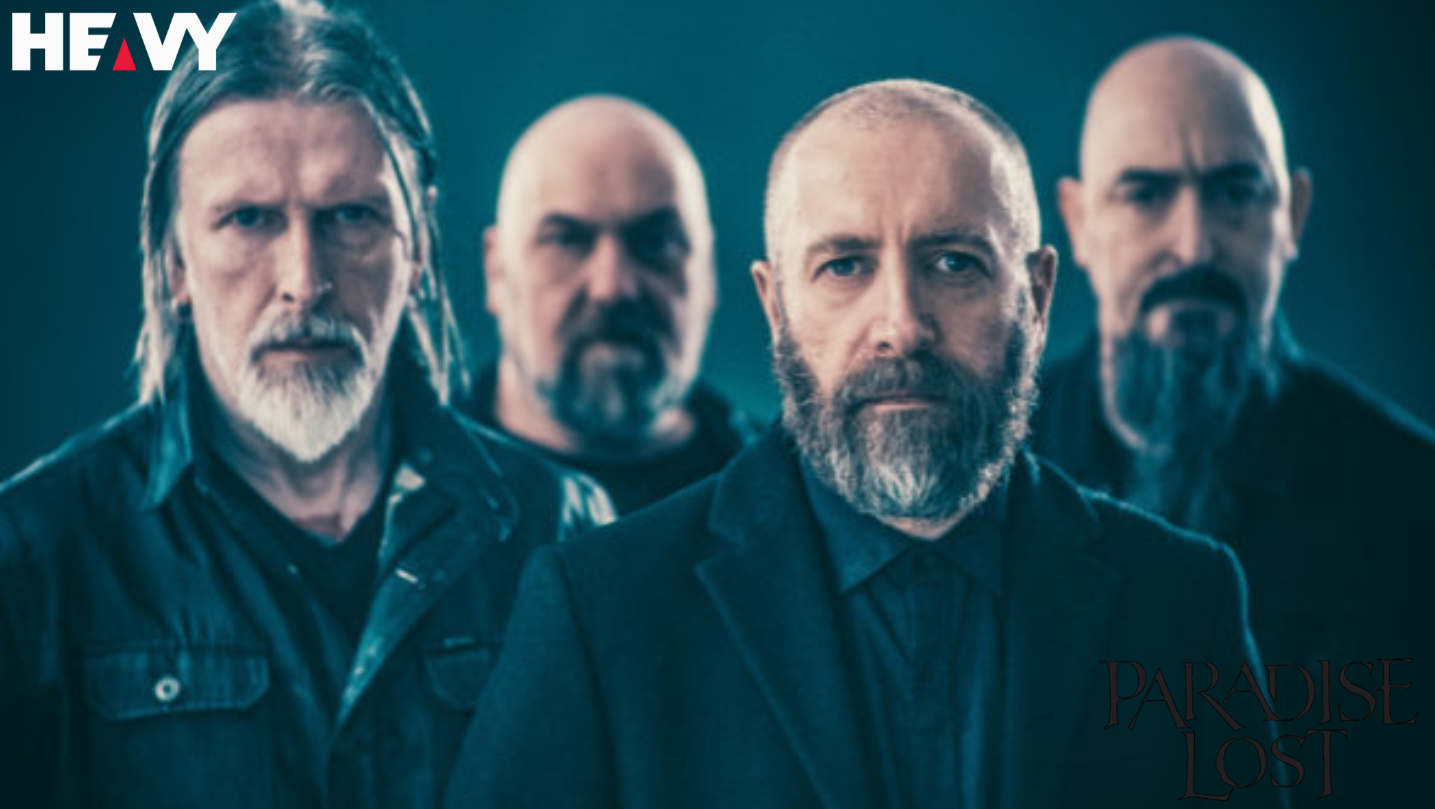
PARADISE LOST have spent close to four decades making misery sound magnificent. While countless bands have shuffled through genres, line-ups and ill-advised creative awakenings, the UK veterans have built an entire legacy from heaviness, melancholy and the endless human capacity to stare into the void and find a decent guitar melody lurking inside it.
After almost a decade-long absence, Paradise Lost are finally returning to Australia. Guitarist and songwriter Gregor Mackintosh joined HEAVY’s Ali Williams to discuss the band’s long-awaited visit, their latest album Ascension, the record he threw away before writing it properly, and why owning an album once required commitment, patience and occasionally forcing yourself to enjoy something because the record shop refused to take it back.
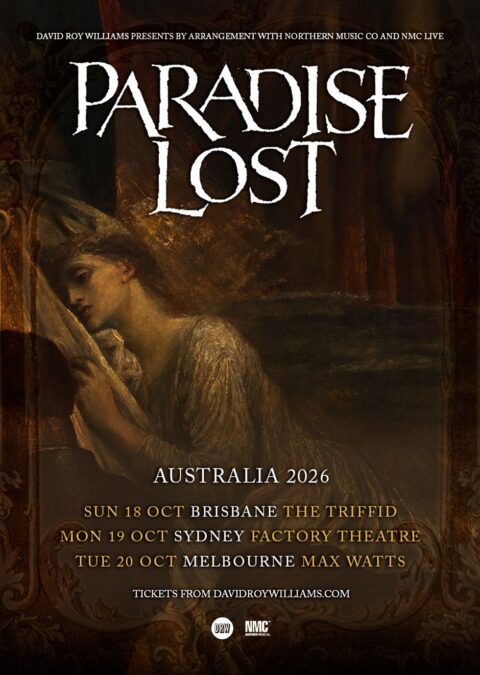
The Australian dates arrive at the end of a substantial journey through Japan and China, opening their Downunder at Brisbane’s The Triffid on October 18 before heading to Sydney’s Factory Theatre on October 19 and Melbourne’s Max Watt’s on October 20. Understandably, Mackintosh is eager to return, although asking him for the exact itinerary produced the kind of uncertainty normally reserved for musicians who have sensibly chosen not to examine how many airports stand between Yorkshire and Brisbane.
“I don’t know how my itinerary works,” he admitted. Probably best. Nothing good comes from learning too early how long you will be sitting upright while crossing continents.
The upcoming shows will draw from across Paradise Lost’s career while giving Ascension its rightful share of the set. The album marked the band’s first collection of original material in five years, although its lengthy gestation was not the result of anyone leisurely waiting for inspiration to wander through the door carrying a completed gothic-metal masterpiece.
Mackintosh initially spent several years writing seven or eight songs before reaching the deeply inconvenient conclusion that he disliked all of them. Rather than polishing material that no longer felt honest, he scrapped the lot. It was a bold decision, particularly after investing that much time, but Paradise Lost have never survived by releasing records simply because the calendar suggests another one is due. He admits he sees little purpose in bands of their longevity manufacturing albums at regular intervals without something worthwhile behind them.
“You’ve got to do something that really stirs it up a little bit, or you’ve got something to say,” Mackintosh explained. “Otherwise, you’re kind of not being relevant.”
The breakthrough arrived when Paradise Lost revisited their landmark 1993 album Icon. Relearning and performing those songs did not inspire Mackintosh to recreate the record’s sound. Instead, he wanted to recover the feeling surrounding that period: the instinct, momentum and conviction that had driven the band before experience had introduced decades of additional thought into the room.
That distinction unlocked Ascension.
The writer’s block disappeared, the abandoned material remained deservedly abandoned, paving the way for him to finally understand what the new album needed to become. It was not an attempt to reverse Paradise Lost back into 1993. It was a way of bringing that earlier energy forward without pretending nothing had happened since.
Greg has also formally stepped into the producer’s role for Ascension, having already handled much of that responsibility behind the scenes for years. The primary difference, he joked, was that attaching his name to the job placed him directly in the firing line if anything went wrong.
Removing the traditional producer was not a declaration that outside perspectives are useless; he readily acknowledges that producers can provide direction when a band has lost its bearings or needs another set of ears. Paradise Lost simply knew what they wanted this time, and he already knew how to achieve it. That quiet certainty has been earned through a career that began in the mid-to-late 1980s, when the band emerged alongside bands including Bolt Thrower, Napalm Death and Carcass. While their peers competed to play faster and sound increasingly violent, Paradise Lost slowed everything down.
The name also separated them from the surrounding parade of carcasses, napalm and blunt-force terminology. Vocalist Nick Holmes was attempting to read John Milton’s epic poem Paradise Lost at the time, which already demonstrated more literary ambition than most young bands displayed while naming themselves.
The title carried ideas of life, death, faith and ruin, offering the band a vast supply of imagery without requiring its members to be religious. Mackintosh describes them as largely atheist or agnostic, but religious symbolism has remained artistically fascinating throughout Paradise Lost’s career. Thousands of years of dramatic iconography cannot simply be abandoned because nobody attends church on Sunday.
That same refusal to make things painfully obvious carries into the lyrics. Paradise Lost write about grief, mortality, major life events and the smaller daily experiences that quietly alter a person, but they rarely explain those subjects in concrete terms. Mackintosh prefers listeners to participate.
Music, literature and film become more powerful when the audience is trusted to interpret what is happening rather than being handed a laminated instruction card. Each person approaches a song from a different life, so the meaning naturally changes once it leaves the writer’s hands. That belief feels particularly relevant to a band whose work has accompanied listeners through almost forty years of their own losses, upheavals and questionable personal decisions. They provide the atmosphere; what people find inside it remains their business.
That willingness to sit with music is woven through everything that Paradise Lost continues to do. They are not interested in rushing albums, overexplaining lyrics or discarding their history simply to appear modern. Ascension exists because Mackintosh was prepared to destroy years of work, return to a pivotal moment in the band’s past and wait until the correct path revealed itself.
Australia has been waiting too.
Paradise Lost return to Oz in October with a career-spanning set, new material and considerably kinder weather than Mackintosh remembers from performing at a Soundwave festival years back. His recollection of that Australian stage was concise: “Just brutal.” Nearly four decades into their career, they remain thoughtful, uncompromising and entirely unwilling to release music merely to prove they still can. Paradise may remain lost, but Gregor Mackintosh sounds perfectly content finding new ways to navigate the gloom.
Tickets and tour info HERE