

Review and photos Ali Williams
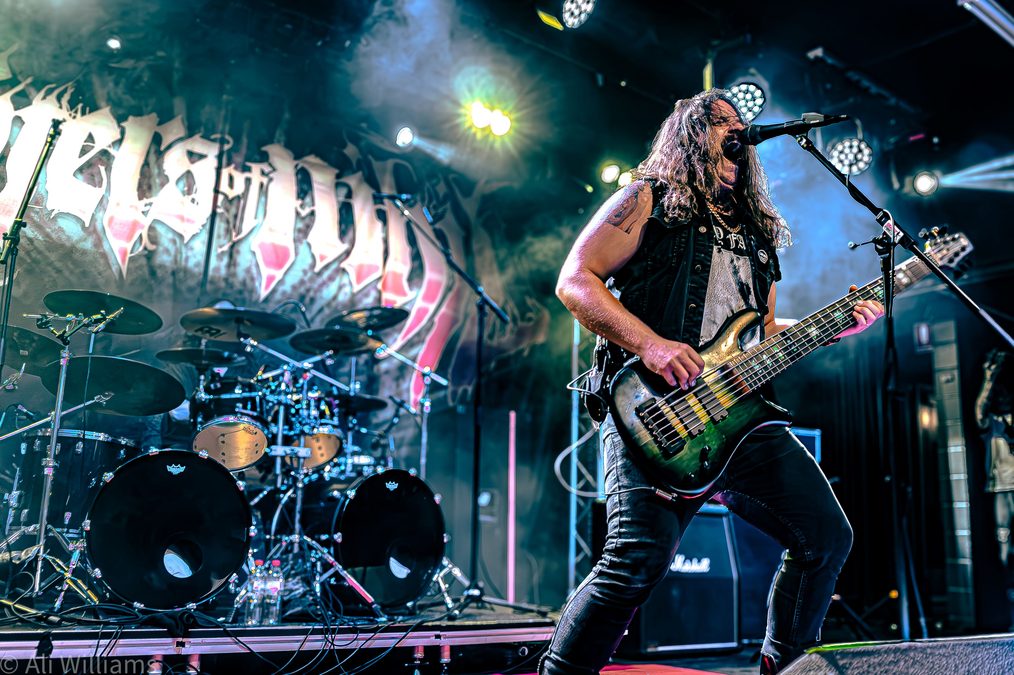
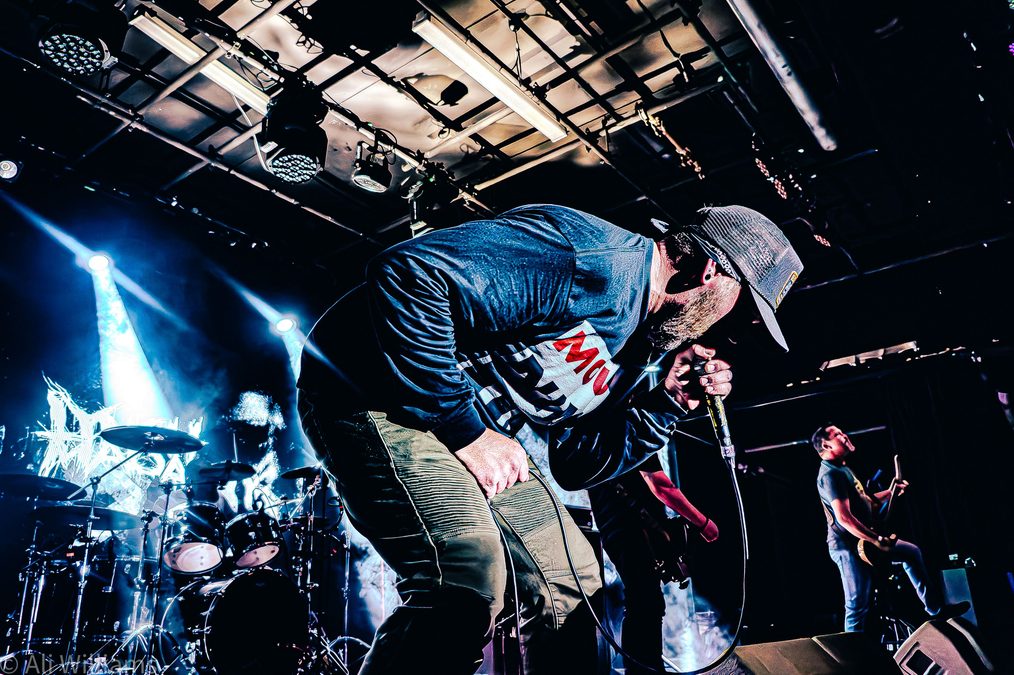
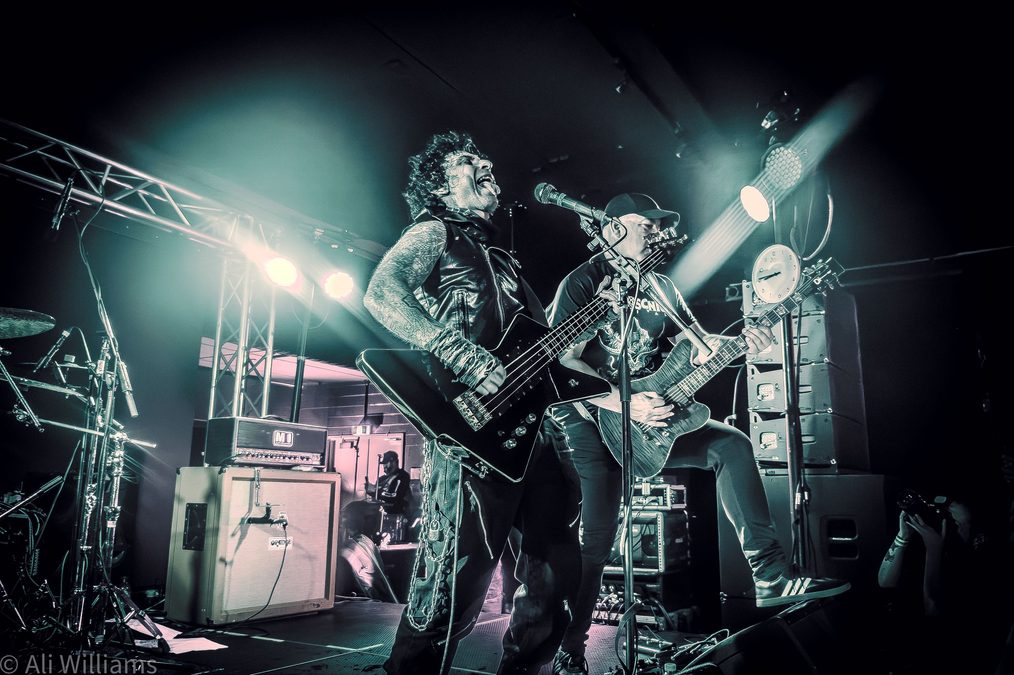
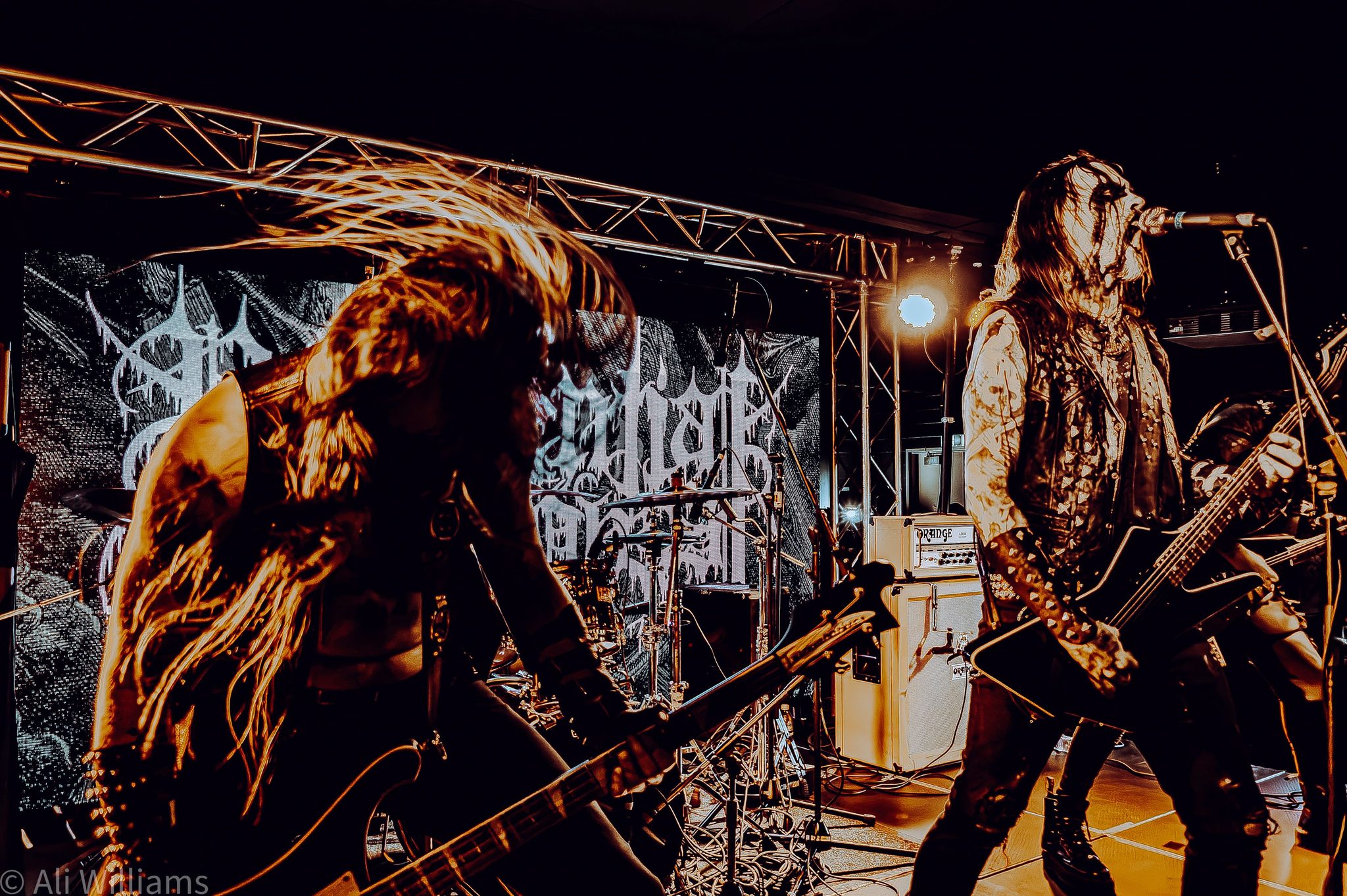
Thirty-one bands, three stages and more than 12 hours of heavy music meant one thing at Mansfield Tavern on Saturday, August 22: nobody was seeing everything, and anybody claiming otherwise had either cloned themselves or spent the entire festival sprinting between rooms without stopping long enough to actually enjoy a band.
Necrosonic’s third year was enormous, but the number on the poster only tells part of the story. Rivers of Nihil and Psycroptic were installed as dual headliners, The Berzerker were playing their first show in 17 years, Lynchmada returned for an exclusive ‘One Last Time’ performance, Segression celebrated 30 years, and Five Star Prison Cell, Minus Life, Helm and M.S.B.I. were among several names returning for rare appearances. Dreamkillers added another substantial piece of Australian heavy history, performing Poison in the Soup and Carnival of Skin back-to-back in full as a tribute to Terry.
From midday, (and in no particulkar chronological order) the Mansfield was already operating at full capacity musically. Slaughtercult, Nembutolik, Eye of the Enemy, Barriers, Body Prison, RUN, Grotesque Bliss, Meth Leppard, Destruktor, F.U.C and the rest of the afternoon roster ensured the smaller stages were never treated as waiting rooms for the evening acts. The timetable very quickly stopped being a plan and became a list of increasingly annoying decisions.
Five Star Prison Cell’s return was a welcome reminder of just how individual that band always was. They were never particularly interested in fitting neatly anywhere the first time around and time has done nothing to make their material easier to categorise. Their comeback carried genuine interest because a sizeable part of the crowd had never had the opportunity to see them live, while those who had knew exactly why their name on the bill deserved attention.
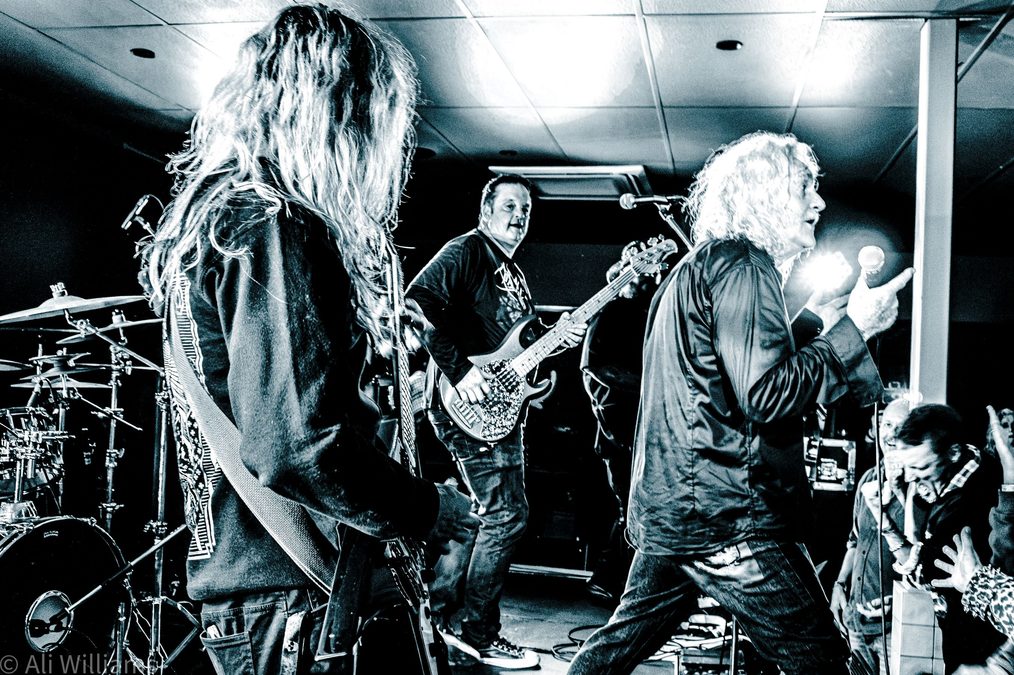
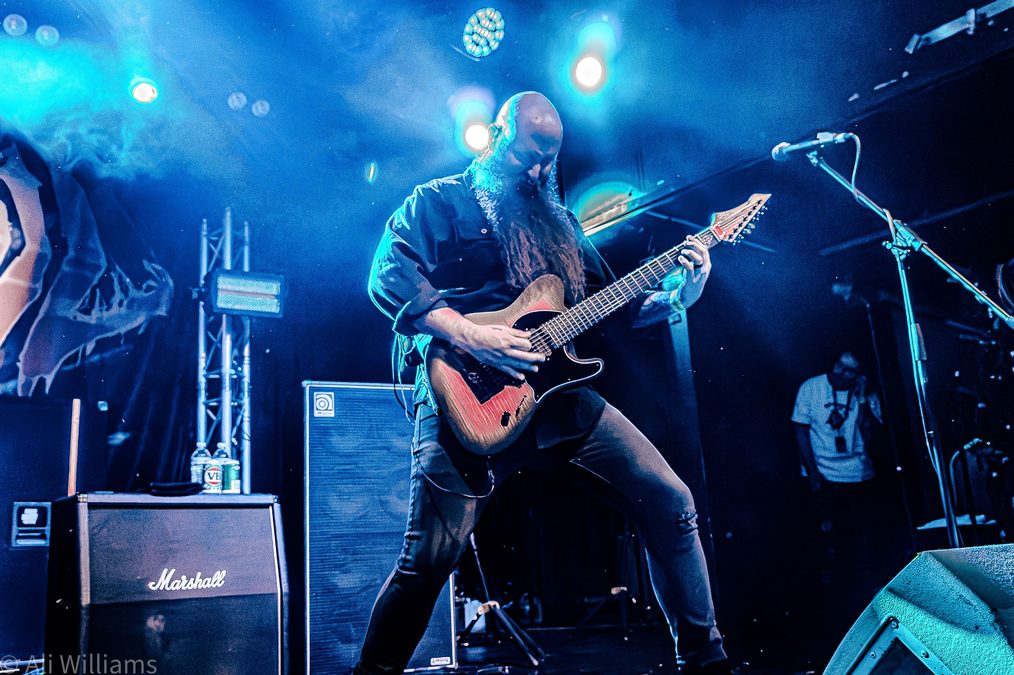
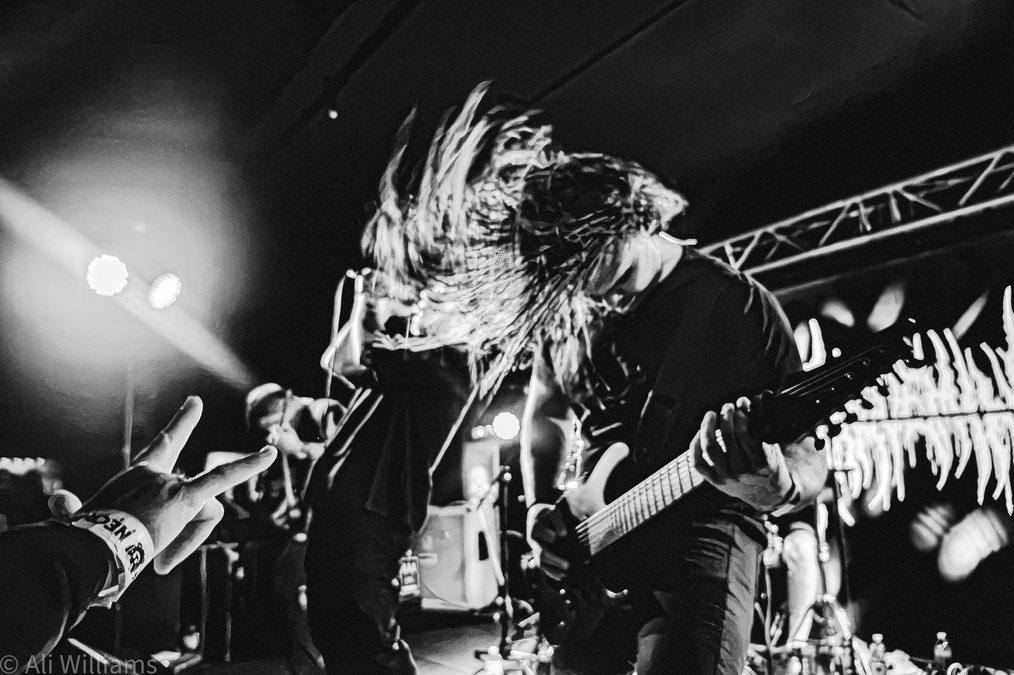
Dreamkillers brought something different again. Their Necrosonic appearance was always going to carry considerably more weight than a standard festival booking, with Poison in the Soup and Carnival of Skin being performed in full and the set dedicated to Terry. Rather than cherry-picking familiar material from across the catalogue, the band committed completely to two records that remain important pieces of their history.
Hearing entire albums live changes the relationship between audience and band. There is no convenient greatest-hits sequencing and no cutting around the strange corners that accumulate on a record. The songs arrive in the context they were originally intended to occupy, and Dreamkillers embraced that completely. There was obviously emotion attached to the performance, but it never became overwrought. The tribute had meaning because it was delivered through the music itself. Those records still have bite, personality and the kind of blunt Australian identity that cannot be manufactured retrospectively. People who had lived with the albums for years were given the rare pleasure of hearing material that might otherwise never make a regular setlist, while anybody discovering it for the first time received a fairly direct lesson in why Dreamkillers remain such a respected name.
More importantly, the band sounded alive inside the material. This was not a museum exercise or a polite anniversary lap. The songs were played because they still deserved to be played.
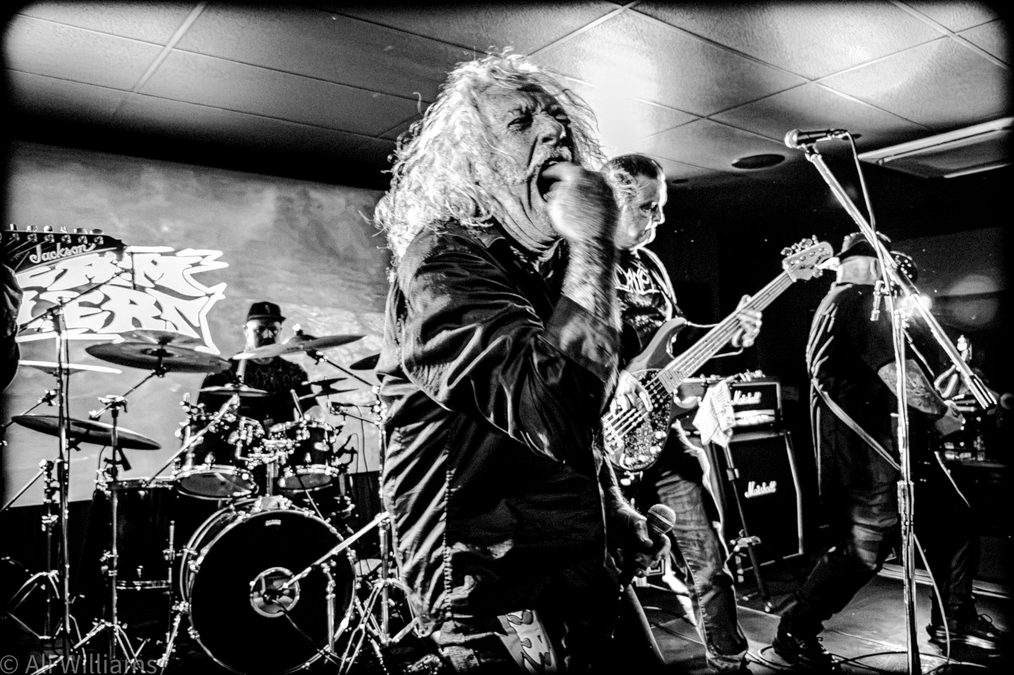
By the time Lynchmada hit the HEAVY Stage at 6:15pm, the day had moved into the section of the timetable where missing a set started to become personally offensive. This was Lynchmada’s first live appearance in more than seven years and an exclusive ‘One Last Time’ show marking 20 years since The Other Mexico. The Gold Coast band did not return sounding tentative or overly concerned with the significance of the occasion. They sounded like Lynchmada. Heavy, groove-driven and immediately familiar without requiring sentimental dressing around it. There was considerable affection for the band in the room, but importantly, the performance justified it. This was not a reunion people applauded simply because everybody was pleased to see old faces together again. The music still had authority.
Then came The Berzerker.
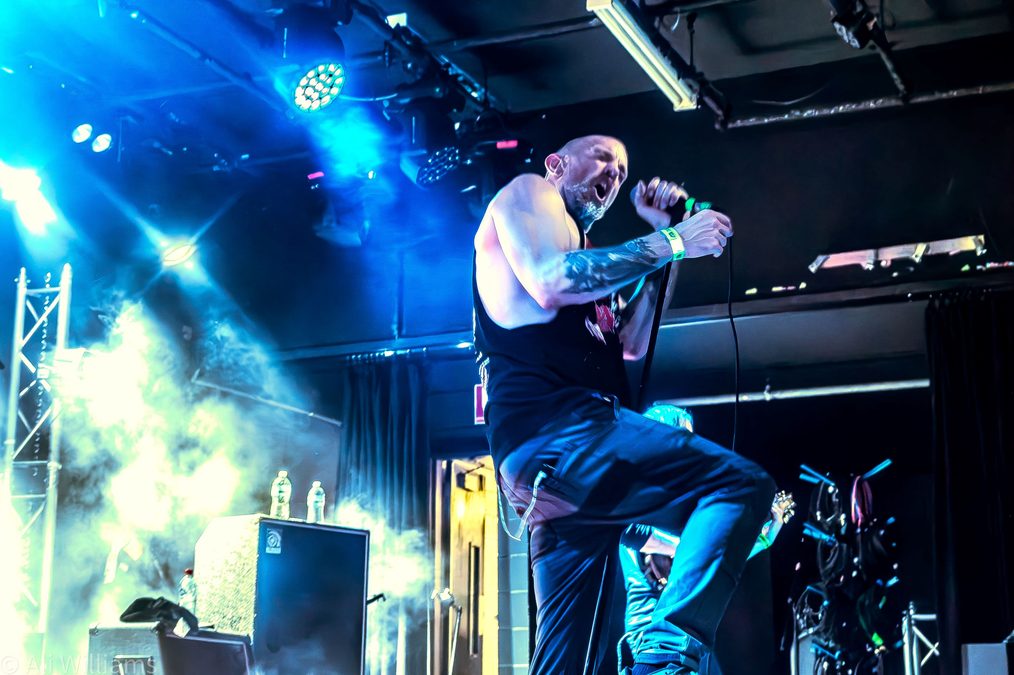
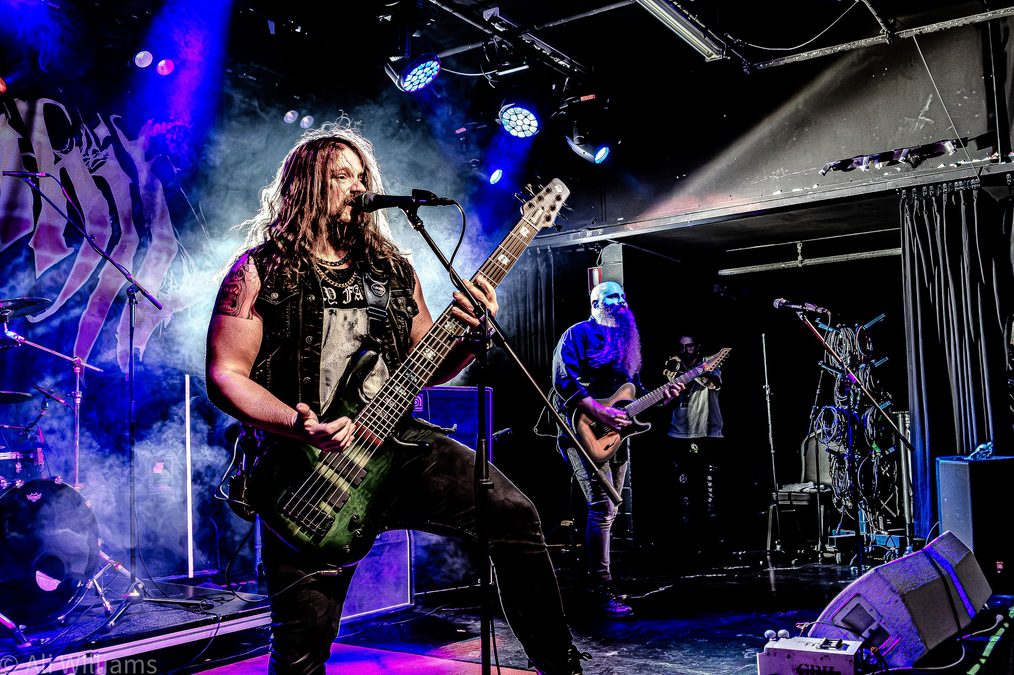
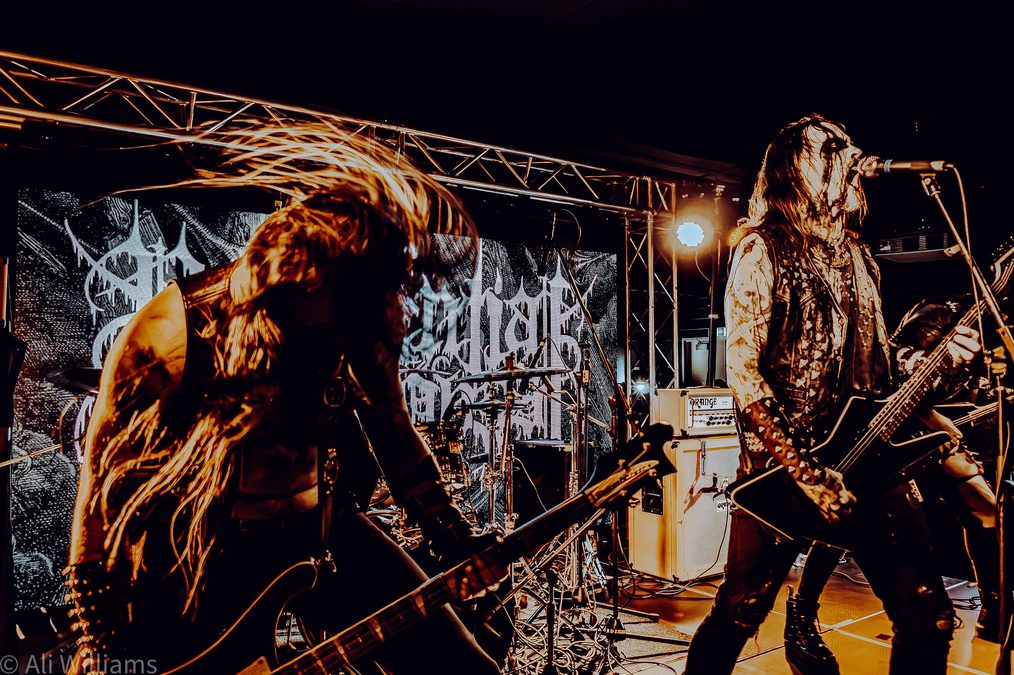
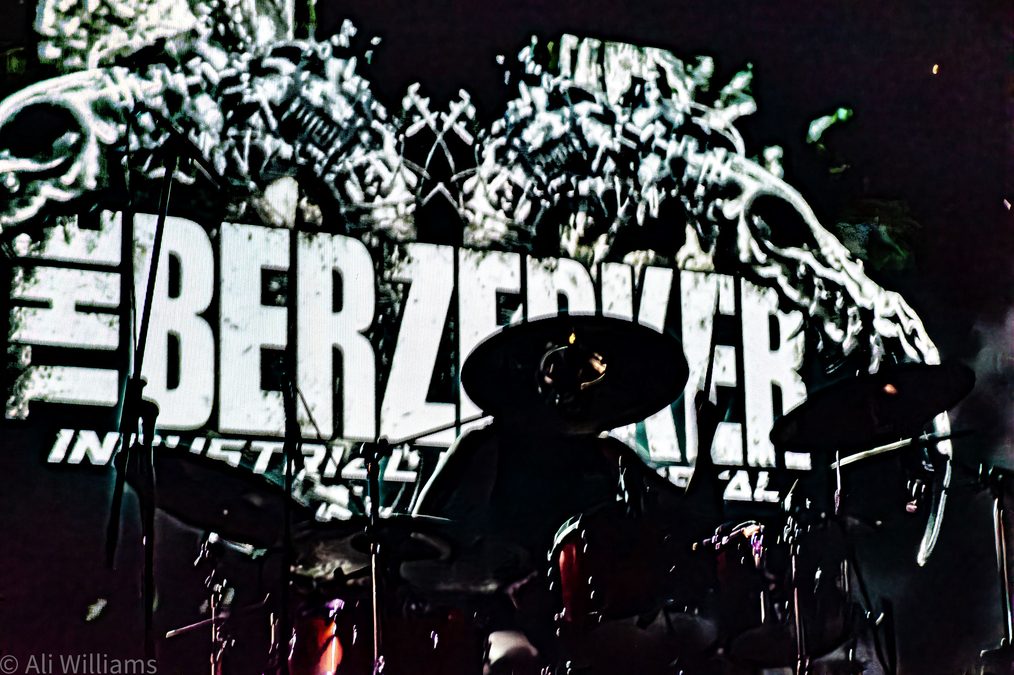
Of all the special appearances announced for Necrosonic, this one carried perhaps the biggest question mark. Seventeen years is an extraordinary absence from live performance, particularly for a band whose reputation was built partly on just how extreme those performances became. The Berzerker were never a conventional death metal band. Luke Kenny’s collision of death metal, grindcore and electronic extremity gave the band a sound that remained identifiable long after they stopped playing live.
At 7:45pm that absence ended. There was enormous curiosity surrounding what The Berzerker would be in 2026, and the answer arrived very quickly. There had been no polite ageing process. The speed was still ridiculous, the electronic elements remained vicious and the sheer density of the sound was unmistakable. What was particularly impressive was how relevant it still felt. Extreme metal has become considerably more adventurous during the 17 years The Berzerker were absent, yet their particular combination of machine-driven speed, death metal and grind remains peculiar enough that nobody has really replaced them.
For older fans there was obvious satisfaction in finally seeing the name back on a stage. For people encountering The Berzerker live for the first time, there was finally some context for all those stories they had been hearing for years. Fifty minutes later there was also a fairly persuasive argument that another 17-year break would be completely unnecessary.
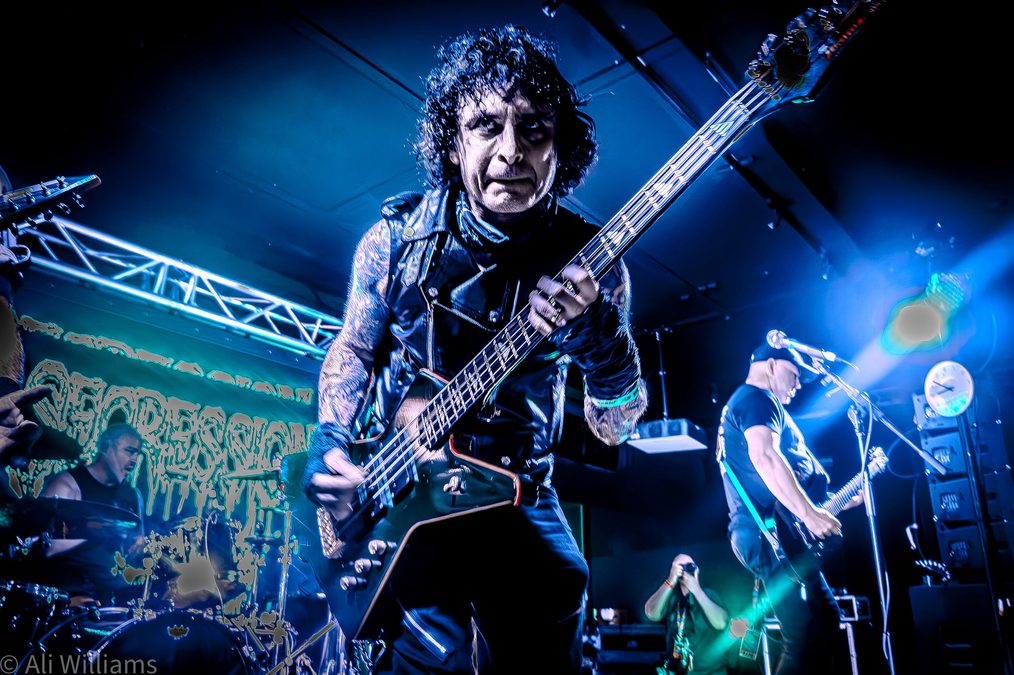
Segression followed later with a very different kind of return. Their 30-year reunion was less about shock value and more about recognising a band that has occupied its own substantial piece of Australian heavy music history. They sounded assured rather than ceremonial, and importantly, they played with enough purpose to prevent the occasion becoming a round of congratulations with songs attached.
Then Necrosonic reached its two official headliners.
Psycroptic returned at an interesting point in their career. More than 25 years after forming in Tasmania, the band are not surviving on reputation, nor are they required to lean heavily on older material to hold an audience. Their latest work has given them another current body of material to sit alongside an already formidable catalogue.
Technical death metal can become remarkably dull when the technique becomes the entire conversation. Psycroptic have avoided that problem for decades because their ability has always been attached to songs that actually move. Joe Haley’s guitar work remains absurdly precise without turning the set into an instructional clinic, while David Haley continues to make complicated rhythmic decisions appear worryingly reasonable. Jason Peppiatt gives all of that precision a very human centre. His delivery is forceful and physical, and his command of the stage prevents the instrumental complexity from creating distance between the band and crowd.
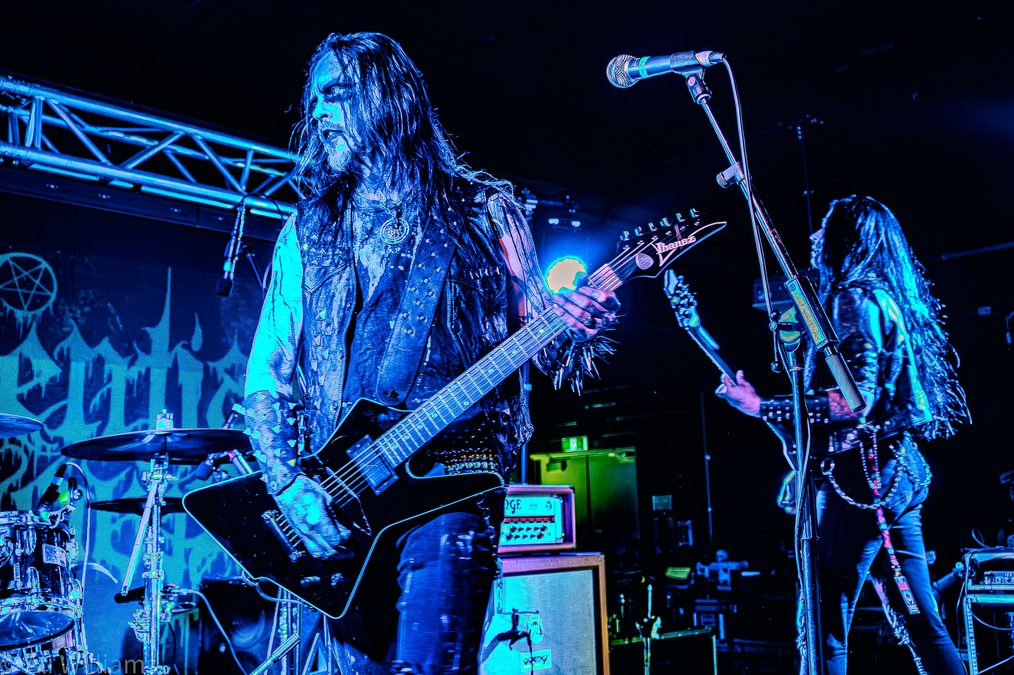
There is also a confidence that comes from decades of playing this material internationally without becoming complacent about it. Psycroptic do not perform as though everyone should simply be grateful they turned up. They attack the set. That distinction is important. The 50-minute Necrosonic slot suited them beautifully. There was no room for unnecessary movement and no lull while the crowd worked out what was happening.
The set demonstrated the band’s progression while retaining the cold precision and rhythmic brutality that has always been central to their identity. At this point Psycroptic have played just about everywhere a Tasmanian death metal band could reasonably hope to reach and several places nobody would have predicted when they began. At Necrosonic they played with the authority expected of one of Australia’s most respected extreme metal exports, but without allowing experience to turn into comfort.
By the time Rivers of Nihil appeared at 11:10pm, the audience had already absorbed close to 12 hours of live music. Asking people for another significant block of concentration at that point requires a headliner capable of offering something noticeably different, and that is precisely where Rivers of Nihil made sense. The Pennsylvania band have spent their career broadening what progressive death metal can accommodate without surrendering the death metal part of the arrangement. Their recent material has pushed that development further, allowing melody, atmosphere and unusual instrumentation greater room without diluting the weight underneath it.
Opening with Rivers of Nihil, the band moved into The Silent Life and The Void From Which No Sound Escapes before bringing newer material including American Death, Clean and Death Is Real into the set. The Sub-Orbital Blues, Despair Church, Water & Time and House of Light followed before Where Owls Know My Name closed the night. That spread of material showed exactly where Rivers of Nihil currently sit. They are not touring solely on the reputation of Where Owls Know My Name, nor have they abandoned the record that introduced many people to them. The older material and newer songs now coexist naturally.
The Silent Life remains an enormous live piece because of the way it moves between brute force and progressive detail, while The Void From Which No Sound Escapes opens the arrangement further without sacrificing momentum. American Death hits with considerably less ceremony, while Water & Time and House of Light demonstrate how comfortable Rivers of Nihil have become allowing melody and space to enter the equation.
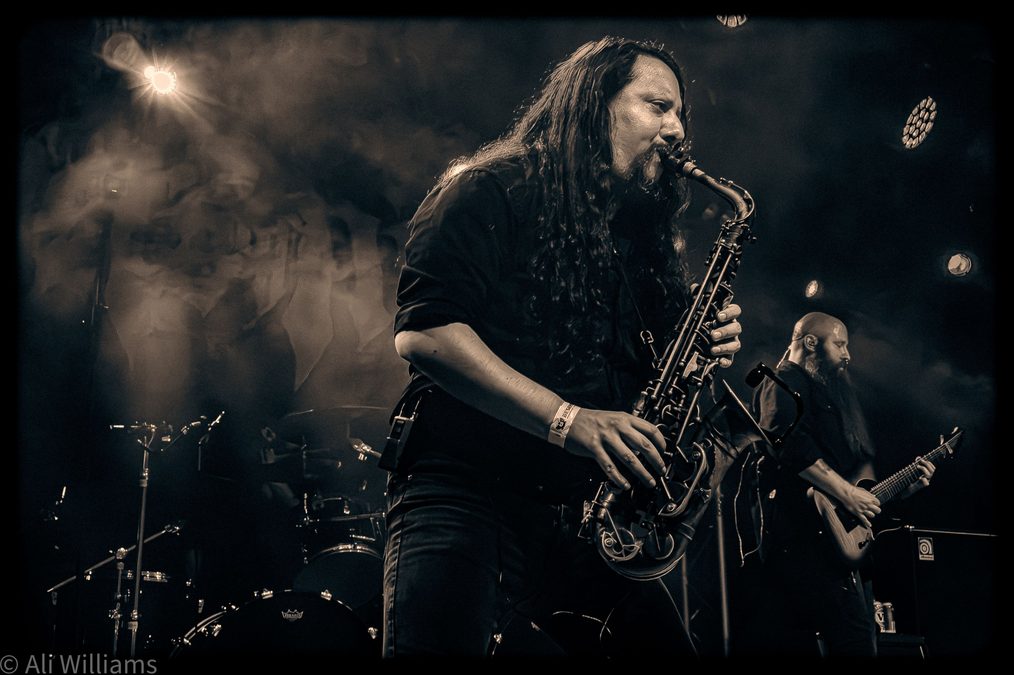
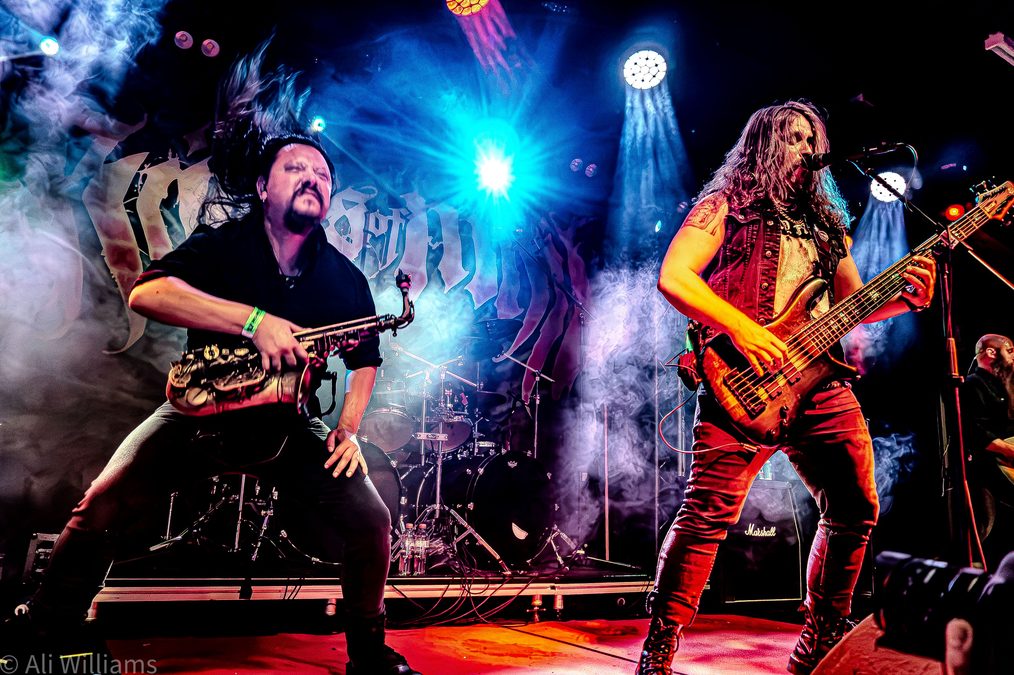
And yes, the saxophone still gets an outing. At this stage nobody needs to explain why there is saxophone in a death metal set. Rivers of Nihil settled that argument years ago. What gave their performance real strength was the control of dynamics. After an
entire day dominated by varying degrees of extremity, simply becoming louder than everything before them would have achieved very little. Rivers of Nihil instead manipulated tension, space and impact. When the heavier sections landed, they carried more force because the band had given them somewhere to come from.
Across the day, the festival’s strongest performances had little in common beyond commitment. Dreamkillers turned two complete albums into a sincere tribute without allowing sentiment to overwhelm the songs. Lynchmada returned sounding entirely capable of making ‘One Last Time’ negotiable. Segression backed 30 years of history with a set that still had purpose. The Berzerker proved their particular form of extremity remains wonderfully abnormal after 17 years away. Psycroptic reaffirmed exactly why their international reputation has endured, and Rivers of Nihil gave Brisbane an expansive, intelligent and properly heavy finish.
After 31 bands, three stages and more than 12 hours, there really was only one pressing concern left was wondering if your hearing would return in the morning.