


Out NOW
Via Purity Through Fire
Words by: Messer Jack
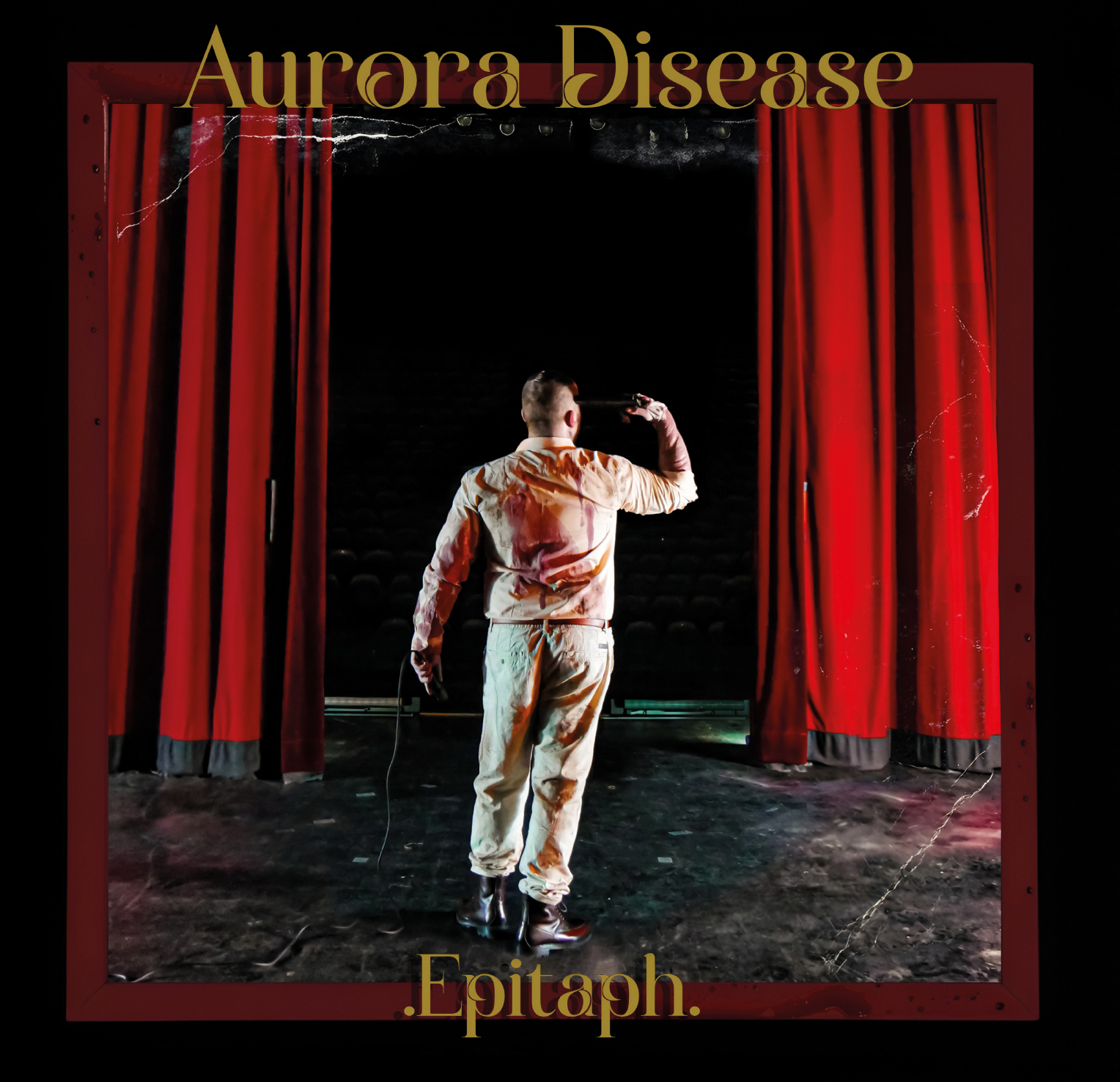
Moin people! It is always interesting when a record lands on my desk that feels less like an album and more like a deep dive into someone’s mind. With Epitaph, Aurora Disease deliver exactly that kind of unsettling and strangely fascinating experience. Released via Purity Through Fire, the third and potentially final album of Antisozial’s project is not an easy listen, but it is one that leaves a lasting impression if you are willing to step into its dark and urban depressive world.
Right from the opening title track Epitaph, the listener is pulled into a dense atmosphere of melancholy and monotony. Slow building guitars, repetitive structures, and a haunting sense of emptiness create the feeling of wandering through a cold and lifeless city at night. Antisozial’s vocals feel distant and tortured, yet strangely controlled, setting the emotional tone for what follows.
Alone pushes this feeling even further, leaning into depressive black metal aesthetics while maintaining the urban and psychedelic touch that has become Aurora Disease’s trademark. The song feels intimate and uncomfortable at the same time, like a quiet confession whispered somewhere between concrete walls and flickering streetlights. With Áedán, the album opens up into a more progressive direction, expanding its soundscape with longer instrumental passages and carefully placed dynamic shifts that slowly build tension and atmosphere.
The massive Vortex and As Time Bleeds Into a Violet River form the emotional and musical centre of the album. Especially the latter, with its nearly thirteen minute runtime, unfolds like a dark cinematic journey through different layers of sound and emotion. Antisozial shows impressive song writing skills here, guiding the listener through moments of beauty, chaos, silence, and despair without ever losing the overall atmosphere. The subtle use of saxophone passages adds an unexpected but fitting layer to the sound, reinforcing the experimental and post black metal approach.
With Otherworld, the album briefly retreats into a more atmospheric and reflective space before descending into the monumental Rigor Mortis Epilogue. Stretching over twelve minutes, the track feels like a slow and inevitable fall into darkness, filled with haunting textures and emotional weight that almost feels overwhelming at times. The closing track Into Abyss then completes the journey in a fittingly bleak and meditative way, leaving behind a sense of emptiness and quiet reflection.
What makes Epitaph particularly remarkable is the fact that Antisozial handles every aspect of the album himself, from song writing and instrumentation to mixing and mastering. The result is a deeply personal and coherent piece of art that avoids typical one man black metal clichés and instead creates a unique and immersive emotional landscape shaped by real experiences and a clear artistic vision.
With Epitaph, Aurora Disease present a dark, intense, and highly personal record that stands far apart from conventional black metal releases. This is not an album for casual listening but one that demands attention, patience, and a willingness to dive into its oppressive atmosphere and experimental structures.
Antisozial has created a work that feels honest, raw, and uncompromising in its execution. The mixture of depressive black metal, psychedelic textures, and experimental elements gives Epitaph a distinct identity that lingers long after the final note fades away. If this truly marks the final chapter of Aurora Disease, it is a powerful and memorable one, a bleak yet fascinating monument within modern black metal.
Keep on Rockin xo