



Interview by Ali Williams
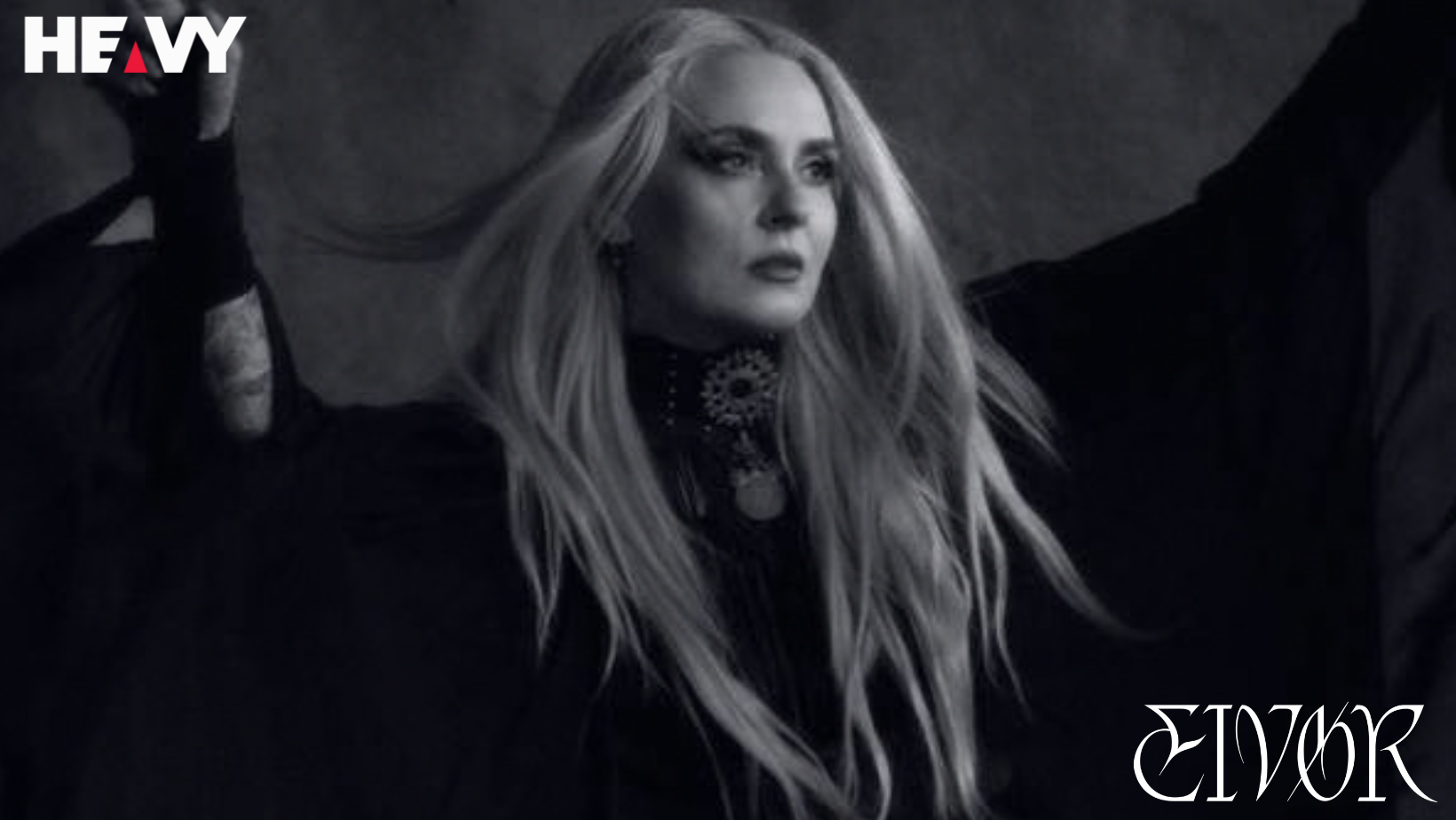
Faroese artist Eivør is celebrating the impending release of her latest studio album, Tungl. For over two decades she has been considered one of Nordic music’s alluring treasures with her voice and also the range of her music, managing to captivate audiences worldwide. She is also midway through a European summer festival run, having recently played the Czech Republic’s Brutal Assault, which she described as one of the coolest festivals she had played in a long time. Holland was next, Germany was waiting after that, and somewhere amongst the kilometres, hotel rooms and Nightliners sat a newly completed album and two freshly released songs.
There is plenty happening in Eivør’s world, although trying to package exactly what she does into one convenient genre remains somebody else’s problem. Despite having developed a strong following within metal circles, particularly among listeners drawn to darker Nordic and pagan-influenced music, Eivør has never considered herself a metal artist. In fact, she has never been particularly interested in attaching herself to any specific genre at all. That has not stopped metal audiences claiming a sizeable piece of her.
The connection makes sense. Her music carries elements of Faroese folk tradition, Nordic mythology, darkness, atmosphere and increasingly cinematic production. Those ingredients have naturally found an audience among heavy music fans, even if Eivør herself arrived there without deliberately chasing the metal tag. “I’ve never seen myself as a metal artist, or any specific genre really,” she explains. “But the music I create kind of connects with that world somehow.”
There is an important distinction there. Eivør does not appear interested in manufacturing music to satisfy an existing category. She follows an idea until it becomes whatever it needs to become, and if the resulting song wanders into metal territory, so be it. Genres can fill out their own paperwork. Her Faroese roots remain a genuine part of that process, particularly the mythology and folk music she grew up around. Rather than being decoration added for effect, those influences have been sitting in the creative foundations for years and continue to find new ways into her writing.
The same is true of the cinematic element that has become increasingly prominent in her work. Her previous album opened what Eivør describes as a new creative era, allowing her to explore broader atmospheres alongside darker, drum-heavy arrangements. The forthcoming record pushes further into that territory, only this time with more movement and considerably more percussion. Which is excellent news because, in Eivør’s own wonderfully uncomplicated words, “I like drums”. More importantly, the new album is not an exercise in repeating something that already worked. Eivør has little interest in making the same record twice. “Every time I make a new album, it has to be different, because otherwise I wouldn’t be bothered,” she says.
That curiosity sits at the centre of her creative process. The previous record unlocked something she still wanted to investigate, but the new material approaches those ideas differently, adding more tempo, more drums and another progression in the atmospheric world she has been building. Two songs have already made their way out into public hands, a process Eivør admits remains both exciting and horrifying. Releasing music means surrendering control of it and allowing listeners to decide what it becomes to them, but she believes the real test begins once those songs reach the stage.
After spending much of the past year working in the studio while fitting touring around it, Eivør is currently enjoying being back on the live side of the equation. The European run has given her the opportunity to play the new material almost every night and watch it develop a life beyond the recordings. For Eivør, that audience connection is not merely an enjoyable part of performing. It completes the music.“It’s where music really makes sense,” she says. “When you have the audience with you, there’s this extra dimension.”
Her live production follows much the same philosophy as the music itself. There is atmosphere and visual depth, but Eivør is not interested in burying the performance under a warehouse full of unnecessary machinery. A great band, good lighting and good sound remain the essentials.“What else do you need?” she asks. Well, apparently fire. Eivør admits she would happily add some flames when the occasion and venue allow it, and special performances have previously given her that opportunity.
Understandably, she leaves the final decision to those responsible for determining whether introducing large bursts of fire beside expensive equipment and human beings is considered a sound administrative choice. At its core, though, an Eivør performance is intended to leave room for the audience rather than dictate every emotion to them. She describes wanting to invite people into a dream state where they can interpret the music through their own experiences, feelings and imagination. That openness explains a great deal about why her work crosses musical boundaries so comfortably. It asks for participation without issuing instructions.
Touring itself has become another world Eivør understands intimately. Years on the road have included everything from lengthy van runs across the United States to the relative civilisation of travelling by Nightliner and getting some actual sleep. Strangely, she finds life on tour less stressful.Once the run begins, everything outside that immediate travelling community falls away. The job becomes brutally simple: travel, arrive, play the best show possible, repeat.“You go with it,” she explains. “All that matters is that you play a great show every night.”
Her current festival run will be followed by a US tour in October, with further European dates planned for next year. She also hinted at another Australia run somewhere in the future plans as well. She has visited twice before and makes no attempt to hide her affection for the place, praising the audiences, the people and the country itself. She also discovered one peculiarly Australian touring luxury that visiting musicians rarely expect: domestic airlines being unexpectedly reasonable about musical equipment. Having toured countries where arriving at an airport with instruments can immediately turn everyone involved into reluctant participants in an argument about baggage allowances, Eivør was astonished by how accommodating Australian airport staff were. “They usually hate us,” she laughs of the more common international experience.
For once, Australian airlines appear to have got something right. We will take the win. Whether those Australian whispers turn into confirmed dates remains to be seen, but Eivør certainly wants to return, and there is every reason for local audiences to want her back. New material is already being tested where she believes it belongs, onstage and in front of people, while the album behind it continues the restless experimentation that has kept her music impossible to comfortably file away. Eivør may not call herself a metal artist. She does not particularly need to. Heavy audiences already understand what brought them there.
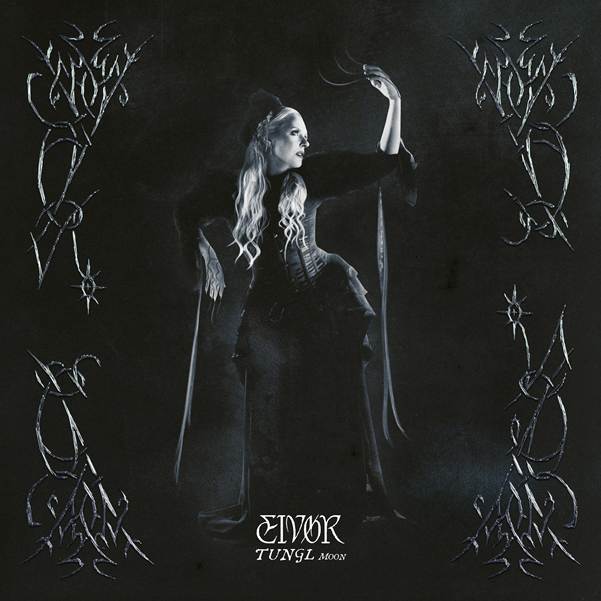
Eivør’s latest studio album Tungl is out October 16 2026 (Nuclear Blast Records). Pre-order HERE