

REVIEW BY ALI WILLIAMS
PIX BY SARAH GILPIN PHOTOGRAPHY
Opening night is where a tour discovers whether months of planning have produced a finely tuned live show or merely several adults standing beneath expensive lights, hoping everybody remembers the same arrangements.
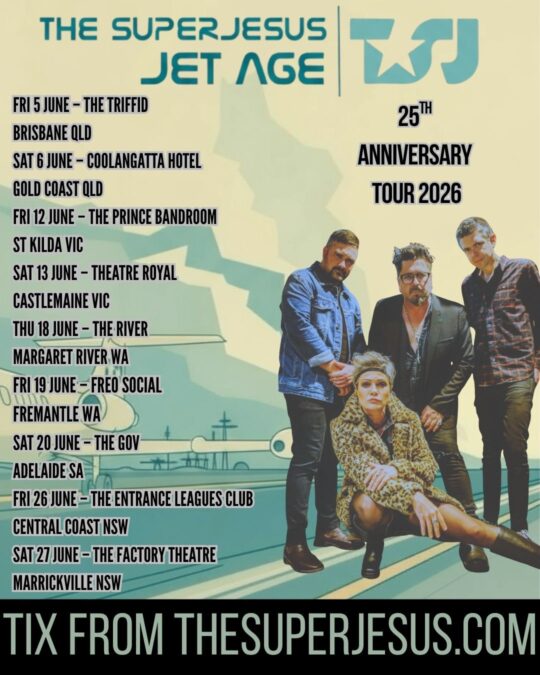
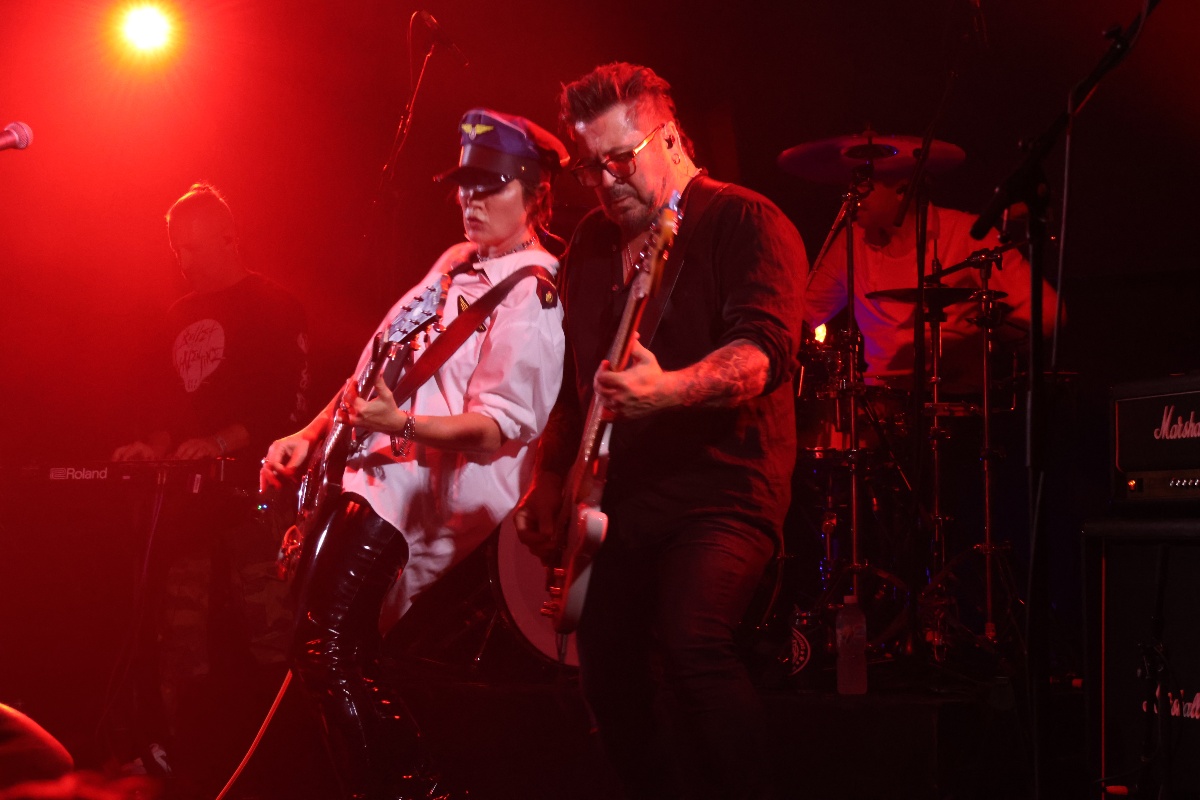
The Superjesus chose Brisbane’s The Triffid to open their national Jet Age 25th Anniversary Tour, performing the album in full before reaching further into a catalogue that has given Australian rock considerably more than its fair share of enduring songs. There were no signs of first-night nerves, forgotten cues, or anybody quietly reconsidering their career choices behind a deliberately poised Marshall stack. Instead, Brisbane received a band clearly delighted to be playing an album that still carries real meaning, supported by New Zealand rock outfit The After and Brisbane pop troublemaker Beks.
The evening was a celebration of Jet Age, but it never became a lengthy exercise in staring fondly backwards. The album was given proper respect, the deep cuts received their overdue moment, and The Superjesus reminded the room that they remain a functioning, relevant rock band rather than four people temporarily assembled to honour an old release.
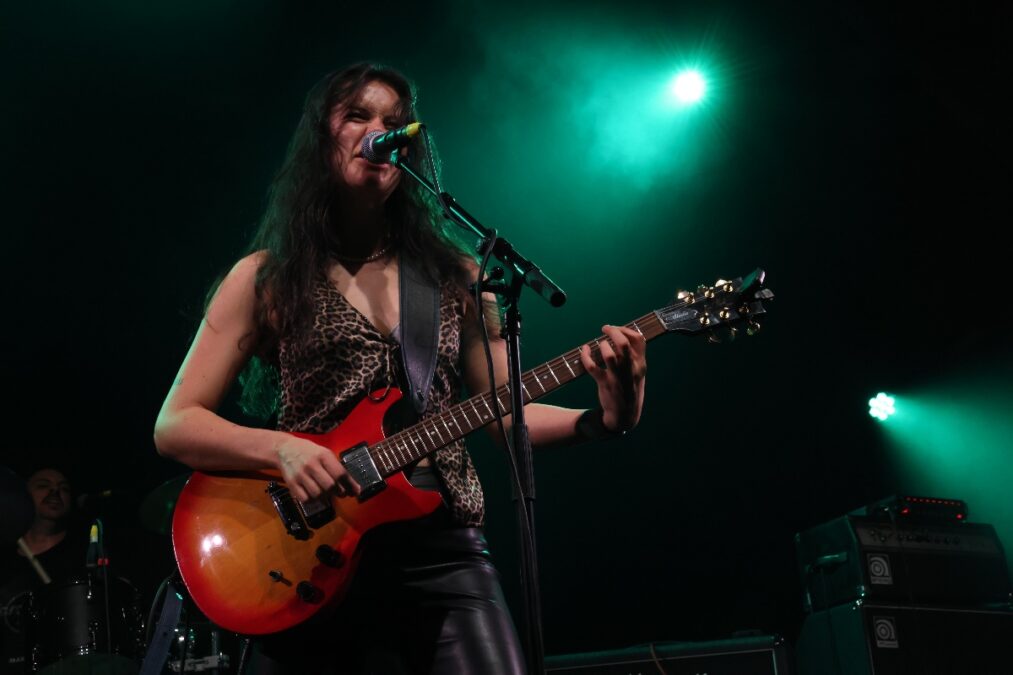
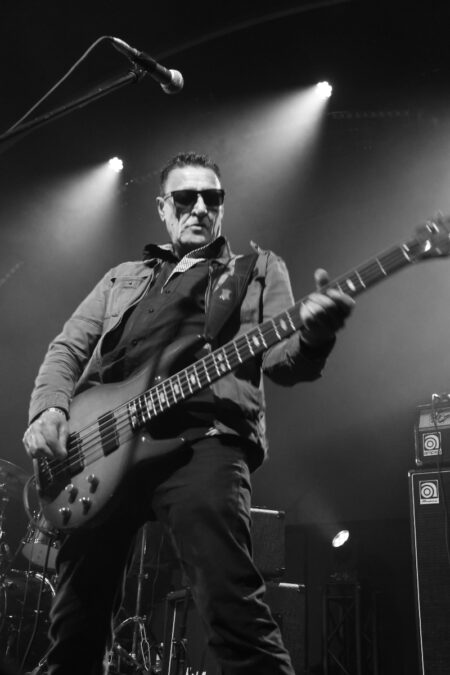
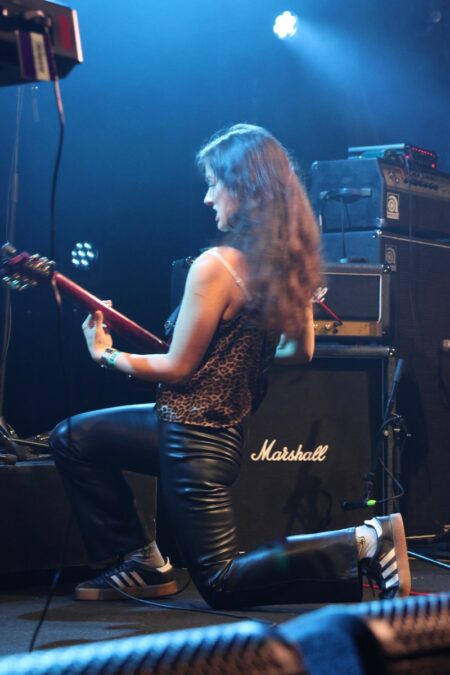
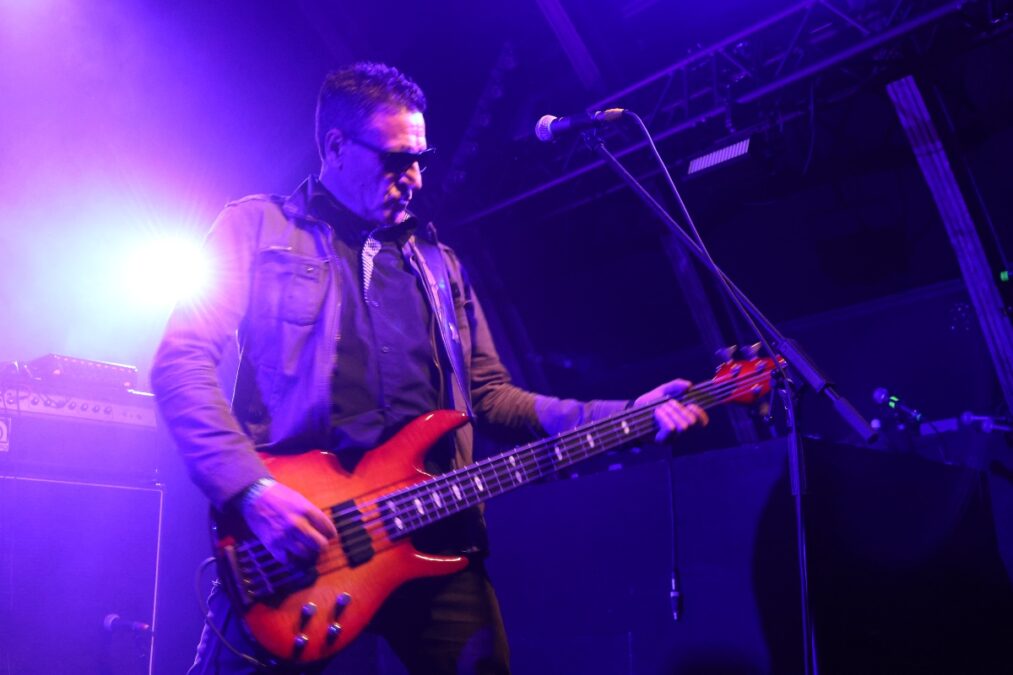
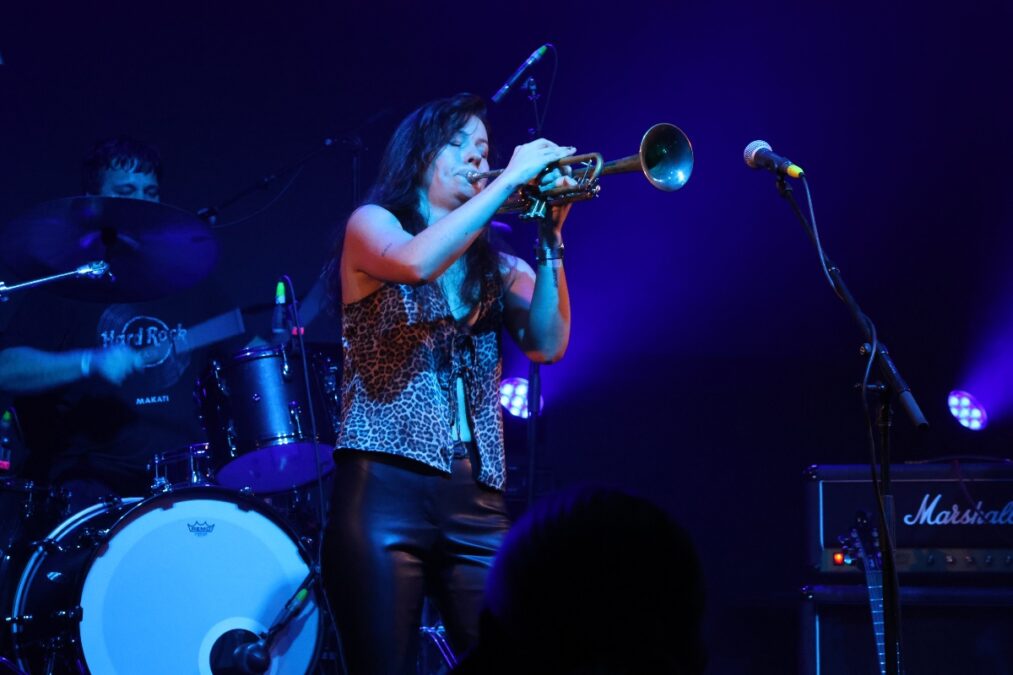
New Zealand’s The After were handed the responsibility of officially starting both the evening and the entire tour. No small job, particularly at 8:30pm when sections of the crowd are still arriving, ordering drinks and conducting the complicated social negotiations involved in deciding where everybody intends to stand.
The After did not waste energy politely waiting for the room to settle. Their set was confident, direct and delivered with the kind of enthusiasm that quickly made standing near the bar feel like a poor administrative decision. Having previously toured New Zealand with The Superjesus, the band already had a genuine connection to the headline act and made an easy fit on the bill. More importantly, they gave the early arrivals something worth arriving early for.
Shout-outs to The After’s drummer for normalising wearing a gimp mask as you round up the last few songs of your set. If this starts trending on TikTok then we need to bring back The Enforcer to remind the kids where it really began.
Beks then changed the temperature of the room entirely. One minute, the stage was empty in between bands, then in the flutter of an eyelash, it was a feral explosion of simultaneous grunge and glam that playfully leaned more into drag than glam. An all-female band armed with pop hooks, punk attitude and a complete refusal to dress according to the traditional rock-show uniform, Beks brought colour and considerable personality to The Triffid stage. Pairing a glossy pop artist with The Superjesus could have been treated as an unusual choice. Beks treated it as an opportunity.
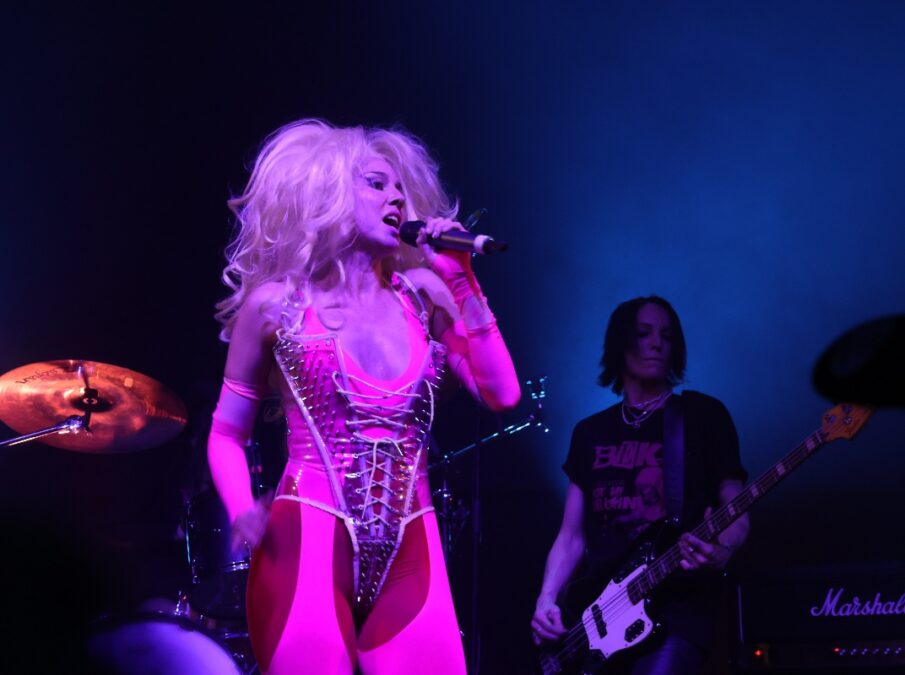
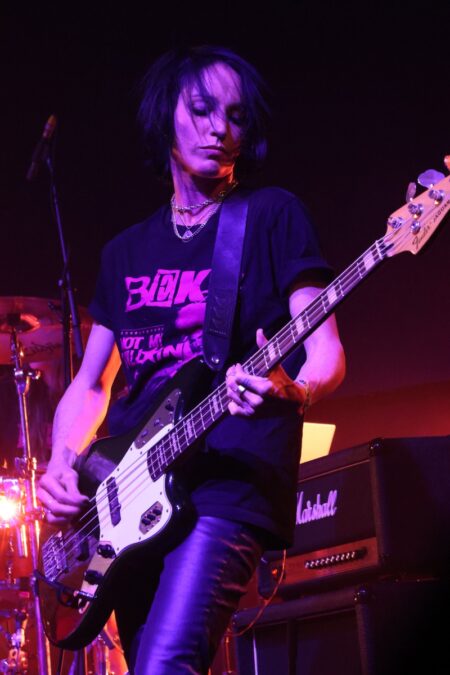
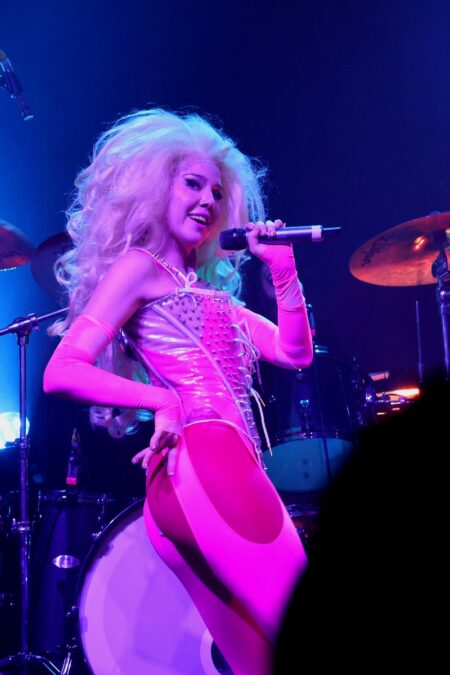
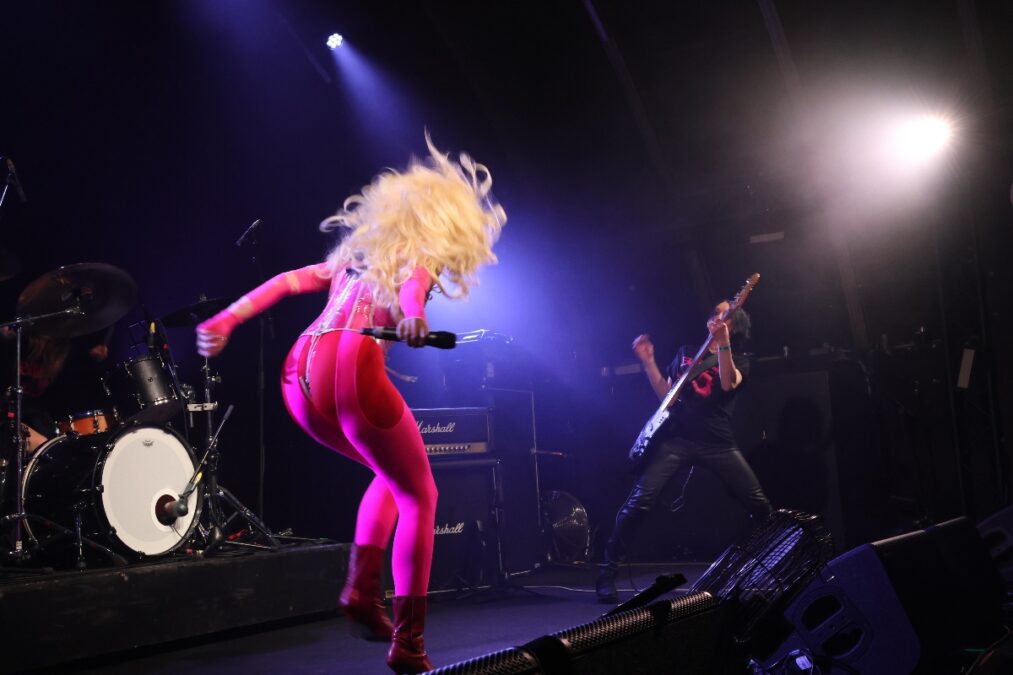
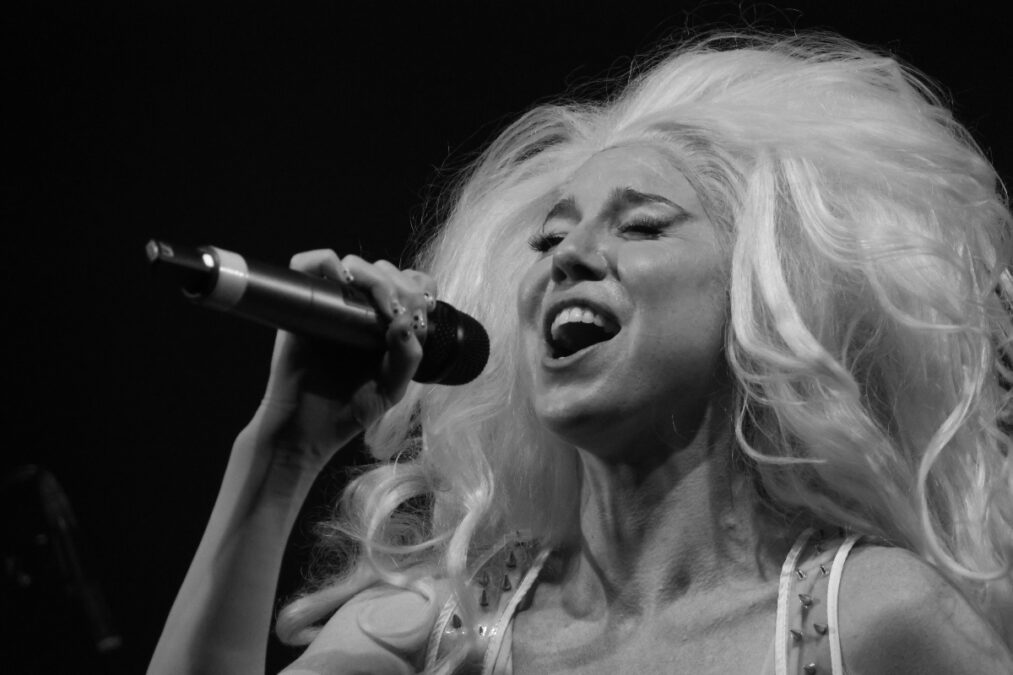
Their set was bold, playful and knowingly theatrical without becoming buried beneath its own presentation. They understood the room, spoke directly to it and steadily won over anybody who had initially decided folding their arms was an important display of musical credibility. There is something deeply satisfying about watching an audience abandon its preconceptions in real time, especially when several members appear slightly annoyed with themselves for enjoying it.
The decision to include Beks also gave the bill some actual character. Three bands offering slightly different approaches made for a far more interesting evening than several hours of acts attempting to become progressively louder versions of one another.
The Superjesus opened their national tour with a room ready to hear Jet Age properly.
Released in 2000, the band’s second album arrived carrying an unenviable amount of pressure. Sumo had already established The Superjesus as one of the country’s most formidable rock acts, while founding guitarist Chris Tennent’s departure left Sarah McLeod questioning whether the creative connection behind the band had disappeared with him. Instead, collaboration with Tim Henwood produced an album that reached number five on the Australian charts, achieved platinum status and delivered some of the band’s most recognised work.
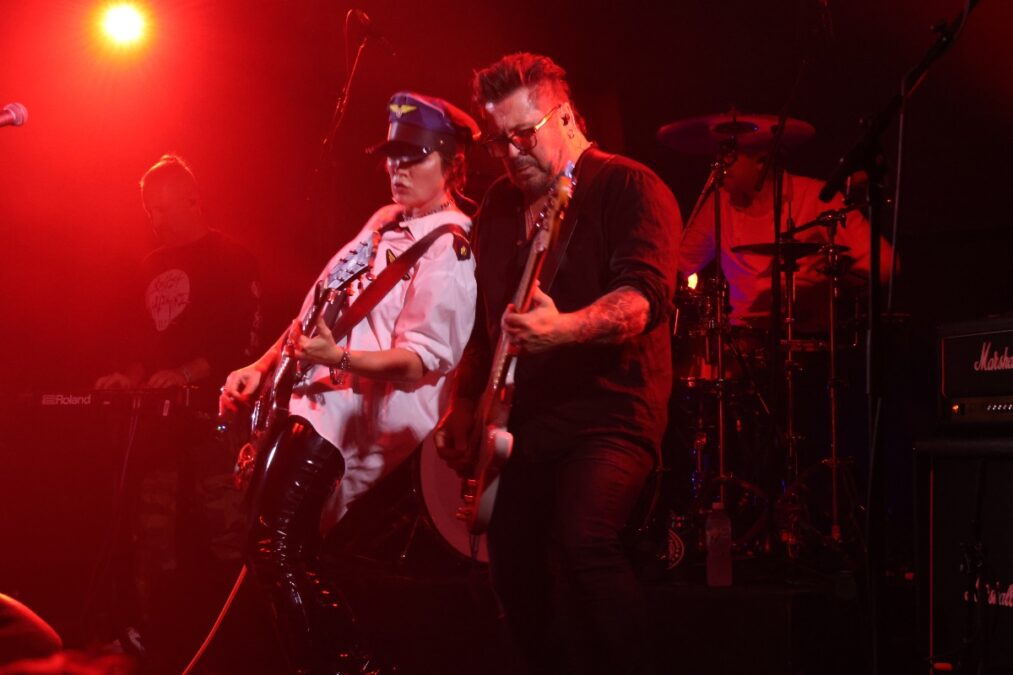
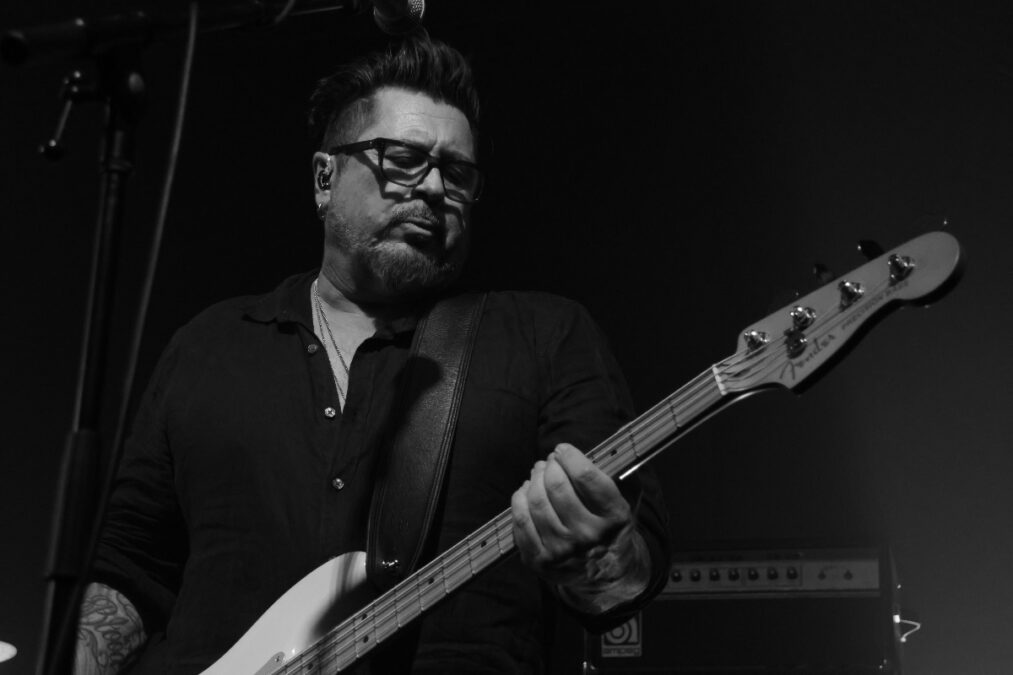
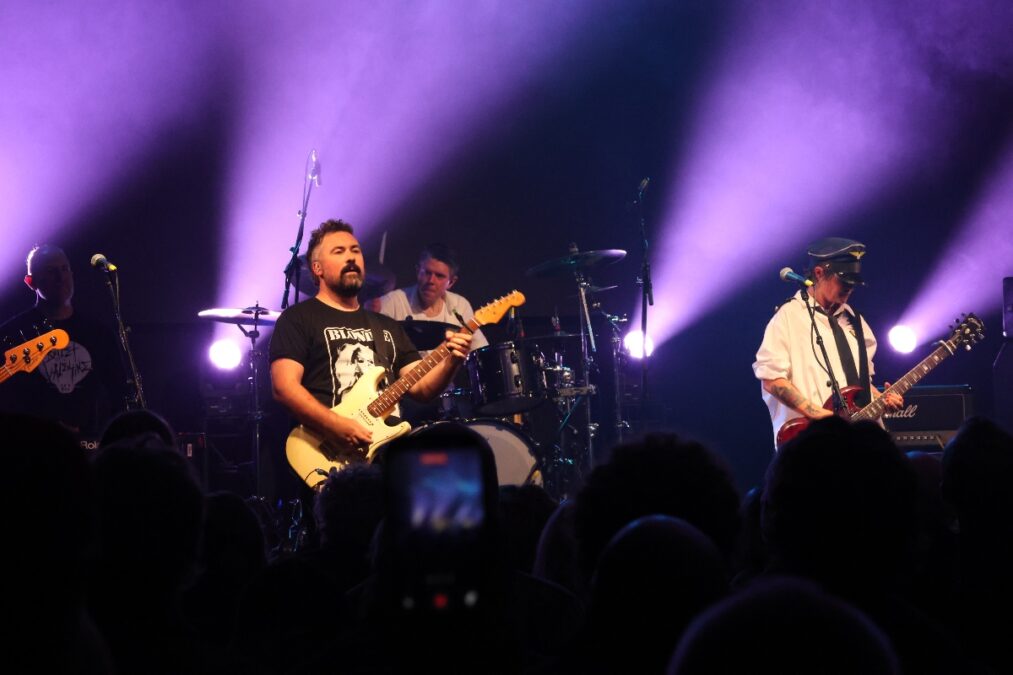
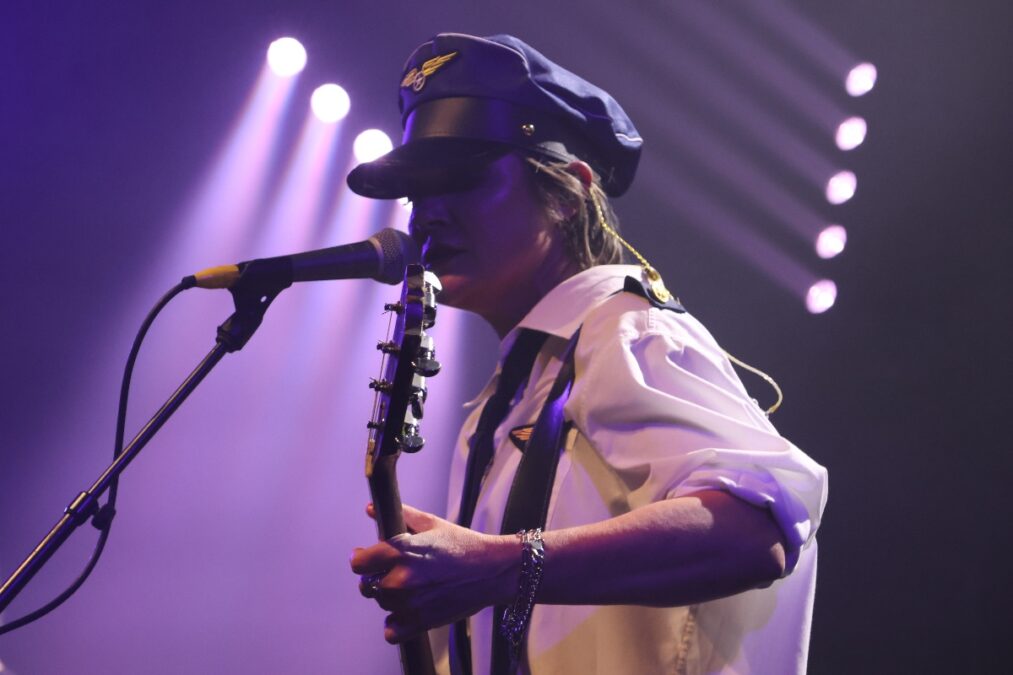
Twenty-five years later, those circumstances matter because Jet Age does not sound like an album created by people comfortably repeating a successful formula. There is tension throughout it, along with confidence, uncertainty and the determination of a band refusing to be defined by what had already happened.
Playing an album in full also removes the usual conveniences of a live set. Singles cannot be placed exactly where they will have the greatest impact, and deeper tracks cannot be quietly left behind because they require more work or might confuse somebody waiting exclusively for the radio songs. The record decides the journey, and the band has to trust it.
Beginning with Over To You, Jet Age immediately established its authority over the room before Gravity delivered the first major communal release of the set. The song needed little assistance. Its opening was enough to activate hundreds of voices that had apparently been keeping the lyrics in excellent condition for the past quarter-century.
McLeod allowed the crowd to have its moment without surrendering control of the song. Her performance carried the same urgency that made Gravity so compelling upon release, although the years between then and now have added something else. Lyrics written during a period of upheaval inevitably change when sung by somebody who has survived everything that followed. The song remained familiar, but it did not feel preserved.
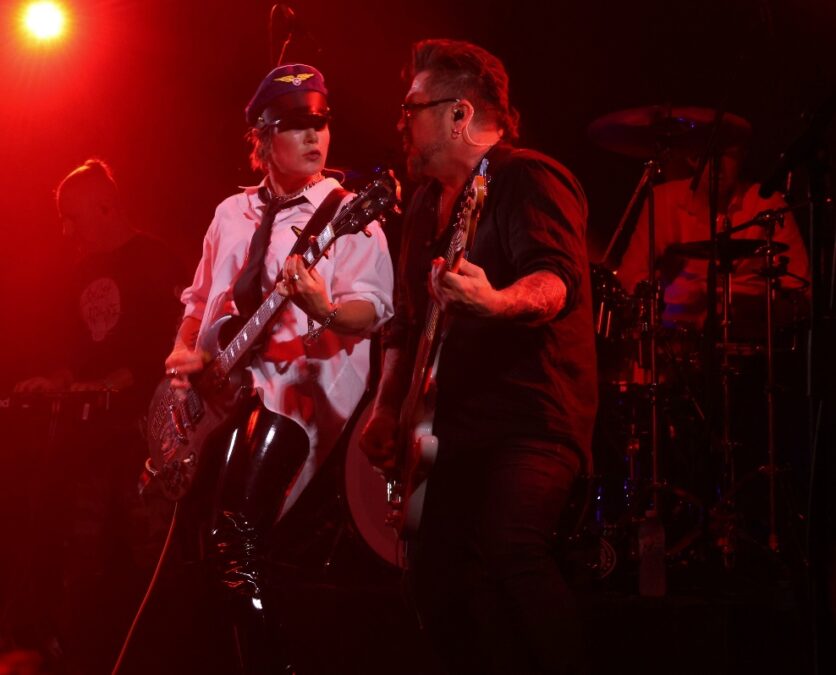
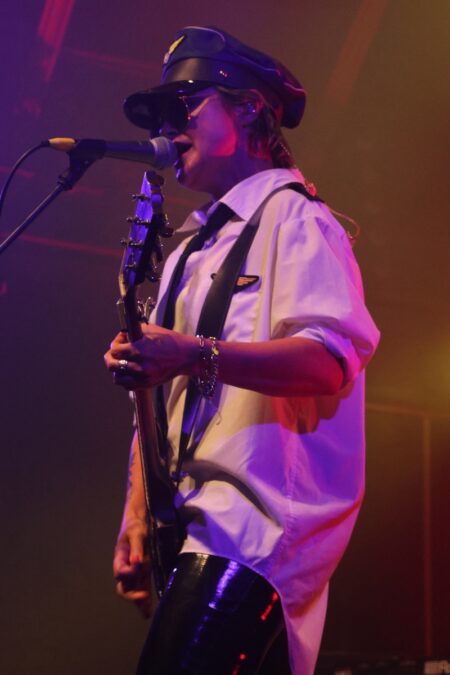
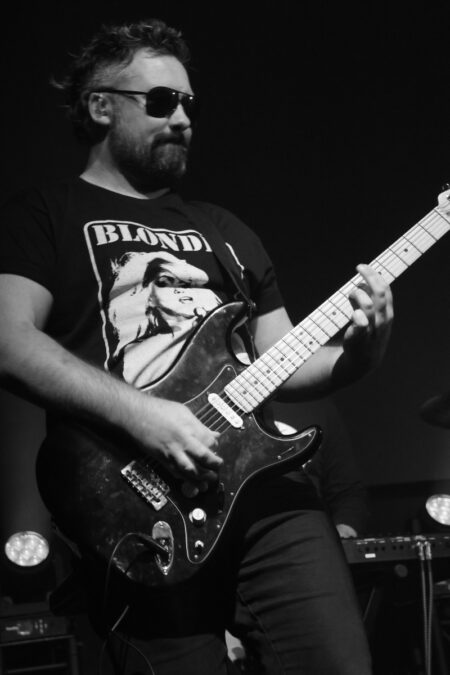

Enough To Know followed with its melody still firmly lodged in the public consciousness, while In Harm’s Way demonstrated the value of hearing the album beyond its singles. The deeper tracks gave the evening its substance. They allowed Jet Age to be experienced as a complete work rather than several famous songs surrounded by material that people vaguely remember owning on compact disc.
Secret Agent Man drew another immediate response, its swagger requiring no explanation, before Second Sun shifted the emotional weight of the set. McLeod’s voice has evolved into a raspy yet fucking beautiful and strong signature of the band’s core. She did not oversell the songs or attempt to force significance upon them. She simply trusted the writing, which proved a far better option than strangling the moment in pursuit of one.
Sarah McLeod remains one of Australian rock’s most compelling frontwomen because she never performs as though the audience requires convincing. She is fierce without becoming remote, funny without turning the show into a comedy set and entirely comfortable allowing sincerity into the room without apologising for it afterwards.
Her connection with Stuart Rudd remains central to The Superjesus. Rudd was the familiar presence beside her, sharing the history of these songs while clearly still enjoying their impact. Their years together were evident not through solemn reflection but through the ease with which they occupied the stage and interacted with the crowd.
Cam Blokland and Ben Todd, meanwhile, ensured the current lineup never felt like it was borrowing somebody else’s memories for the evening. Both have personal connections to Jet Age, with Blokland growing up listening to the album long before joining the band. Onstage, that history translated into genuine investment rather than careful imitation.
The album’s middle and later sections exposed how much range exists beneath its best-known tracks. Fall To Rescue, Everything Turns, Checking In, Holy Water, Safer Emergency, and Everybody Calls Me Lonely were not filler between expected reactions. They were reminders of why listeners stayed with the album after its singles had finished dominating radio.
There was also an enjoyable sense of rediscovery across the room. Certain songs produced immediate recognition; others appeared to arrive a few seconds before people remembered exactly where they had stored them in their heads. That gradual return is part of the pleasure of an anniversary show. A song can disappear from regular rotation for years, then one chorus arrives and suddenly somebody near the front is singing every word while looking mildly surprised by their own memories.
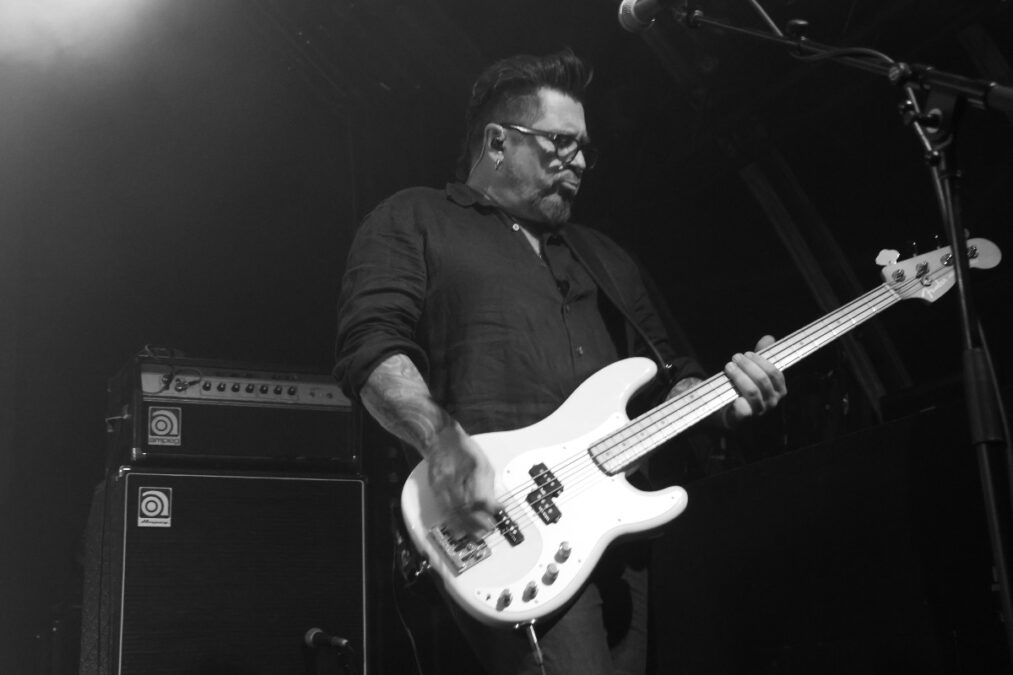
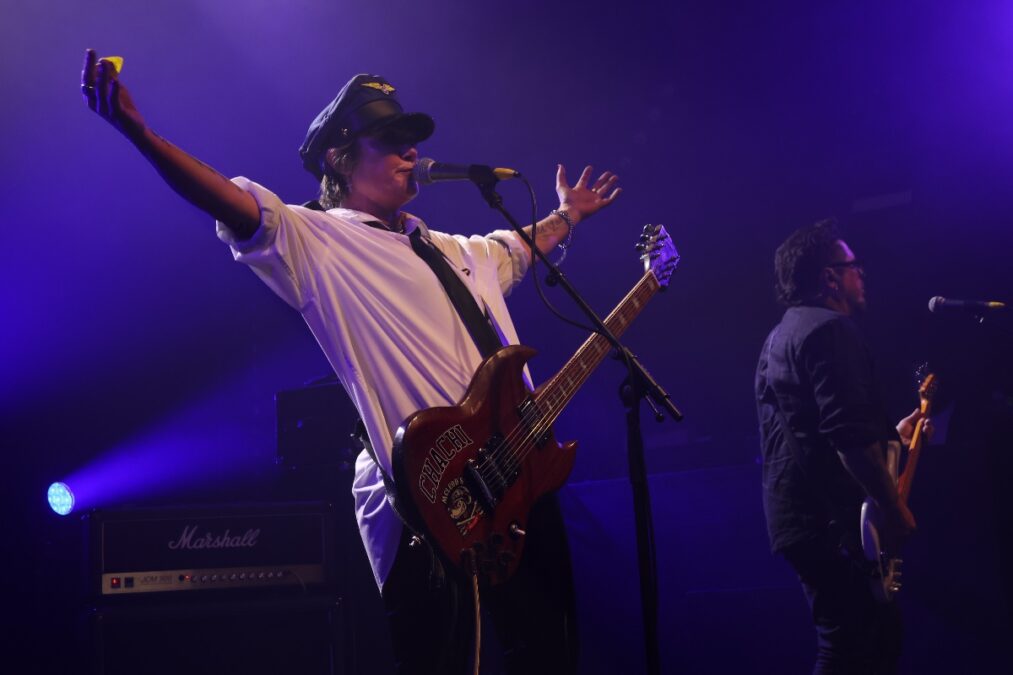
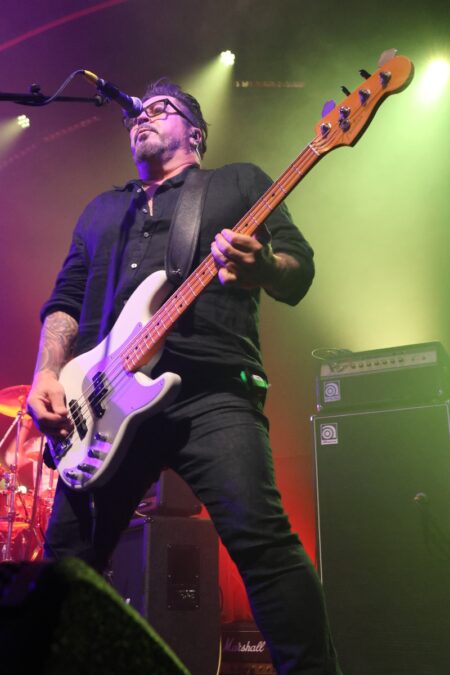
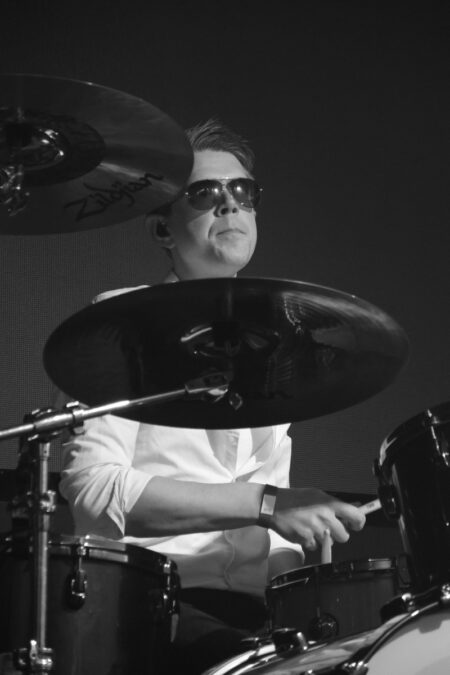
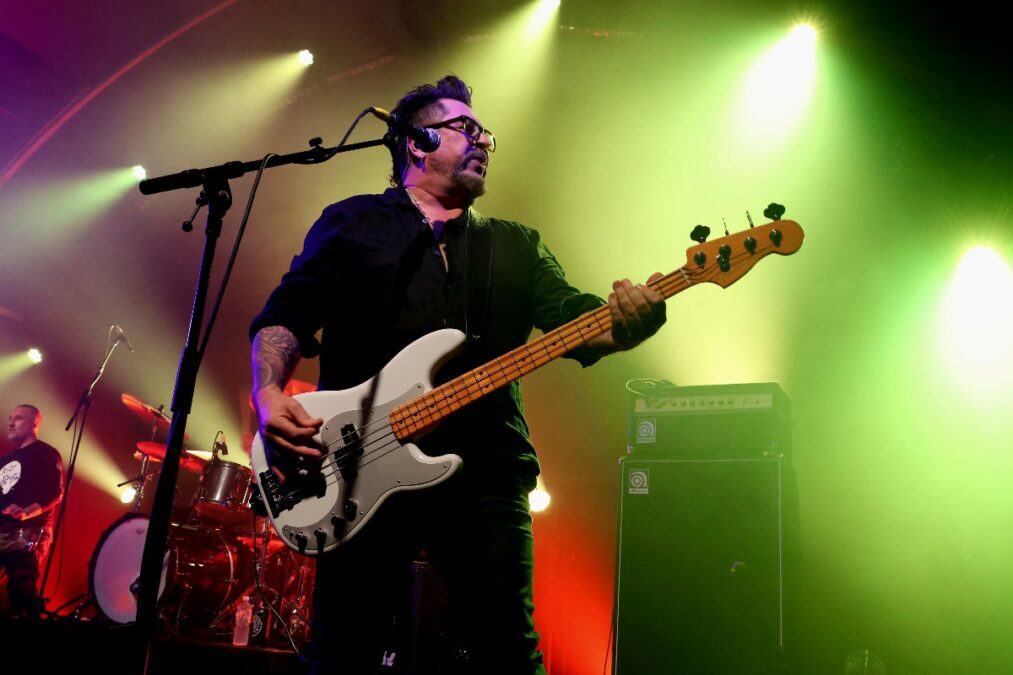
Performing Jet Age in sequence gave the night an emotional shape often lost in standard greatest-hits sets. The crowd was not simply waiting for favourites to appear. They were following an album that had accompanied many of them through very different versions of their lives. That history was visible throughout The Triffid. Old tour shirts mixed with newer merchandise, while a crowd old enough to understand responsible behaviour repeatedly made the sensible decision to ignore it. People were there because the album mattered, but also because standing in a room singing loudly remains far more enjoyable than discussing its cultural importance in measured tones.
Once Jet Age had been completed, The Superjesus were free to move beyond the anniversary and draw from the rest of their catalogue. The shift confirmed something already evident throughout the main set: this tour is not an attempt to briefly resurrect a band that has been sitting idle. Rather than performing the obligatory encore (aka adult ‘peek-a-boo’), they transitioned straight into their thanks you’s and appreciations and announced they had 9 minutes left, before asking the crowd what they wanted to hear most.
It wasn’t performative. McLeod has a unique way of genuinely connecting with the crowd; it was completely free of ego, whilst also making the night feel personal and worthy. Leaping into fan favourites, Ashes followed up with a stellar extended version of Down Again (my personal all-time fave track, that tasty tasty bass grind gets me every time. Just sayin’).
The Superjesus released their self-titled fourth album in 2025 – their first full-length release in more than two decades – and the current lineup carries the confidence of a band with an active future. Nostalgia was certainly present, as it should have been, but it was not left unsupervised long enough to begin making speeches.
As the opening show of the tour, Brisbane had the privilege of seeing the entire production leave the ground for the first time. The Superjesus appeared energised by the occasion rather than burdened by it, delivering Jet Age with care while refusing to handle it too delicately. Anniversary tours work best when they explain why an album deserves another full hearing. At The Triffid, Jet Age justified itself without difficulty. Its major singles remained undeniable, its deeper tracks gained fresh attention, and its emotional core had lost none of its relevance.
The Superjesus opened this tour by honouring where they had been without pretending they still lived there. Brisbane was not invited to attend a memorial for the year 2000. It was given a loud, sincere and thoroughly enjoyable reminder that a truly important album does not stop moving simply because somebody has placed an anniversary sticker on it.
JET AGE 25TH ANNIVERSARY TOUR TICKETS