

Words by Matt New
Pix by Angie New Photography
Monolith Festival has become the new normal for Australia’s progressive music community since the conclusion of ProgFest in 2019. After its debut in 2022 and a year off last year, Monolith returned stronger in 2024 with a fairly condensed lineup, placing a strong focus on quality over quantity. One interesting observation was a complete shift from 2022’s all-Aussie lineup to a completely international flavour.
Monolith this year was the platform to celebrate one very important musical accomplishment, the 20-year anniversary of Coheed & Cambria‘s influential album Good Apollo IV: The Burning Star IV, Volume 1: From Fear Through The Eyes of Madness. Sydney’s Hordern Pavilion provided the space for the conclusion of this amazing festival tour run, which has been captivating Australia’s most unique heavy music fan base over the past couple of weeks.
The festival started with a series of workshops and Q&A sessions. Amongst them were Periphery guitarists Misha Mansoor, Jake Bowen, and Mark Holcomb, who shared insights into their songwriting process and gear, much to the delight of all prog fanatics. The event then transitioned to Coheed & Cambria frontman Claudio Sanchez, who delved into great detail about the companion factor to Coheed’s music, The Amory Wars comics. Both workshops took place near the Hordern Pavilion and were filled to capacity, demonstrating the deep appreciation fans had for these candid opportunities. There were other scheduled workshops throughout the evening, but I was unable to check them out, as the live music took priority.
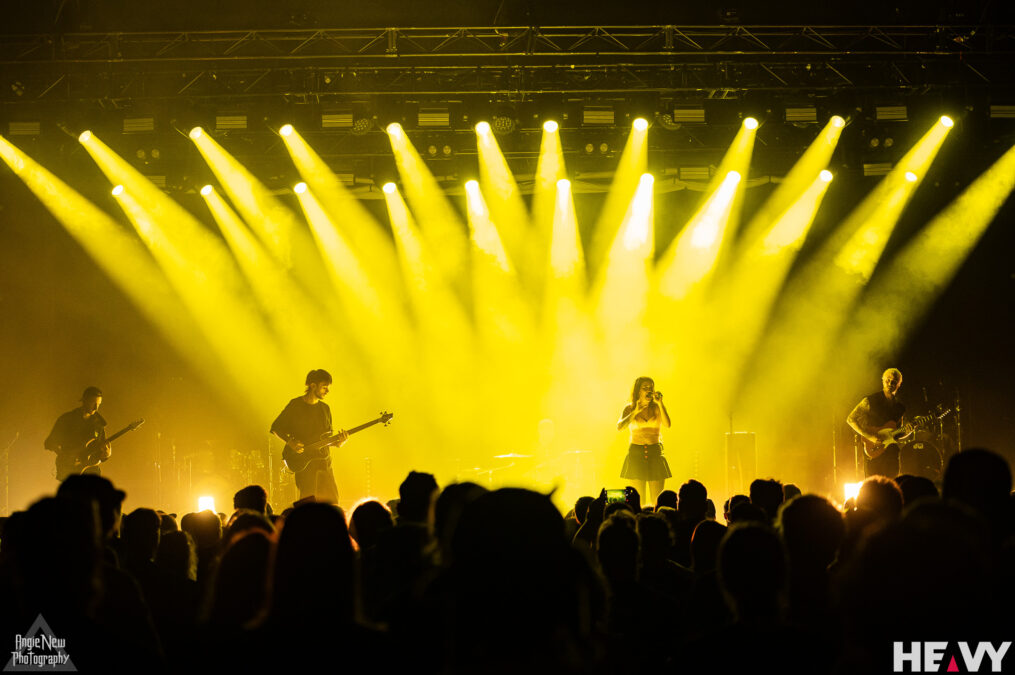
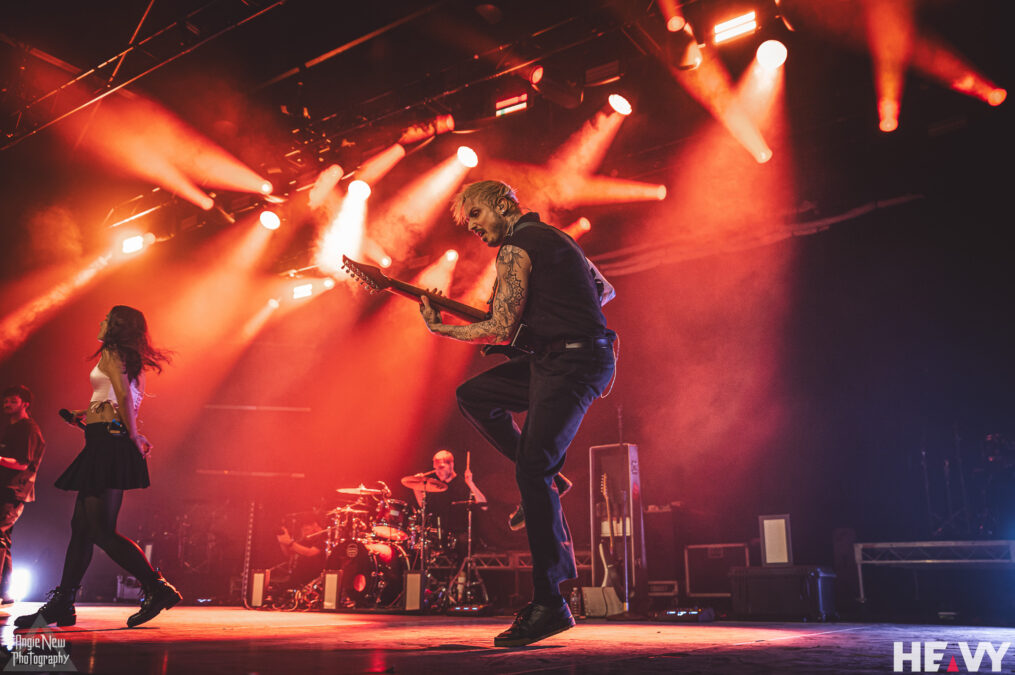
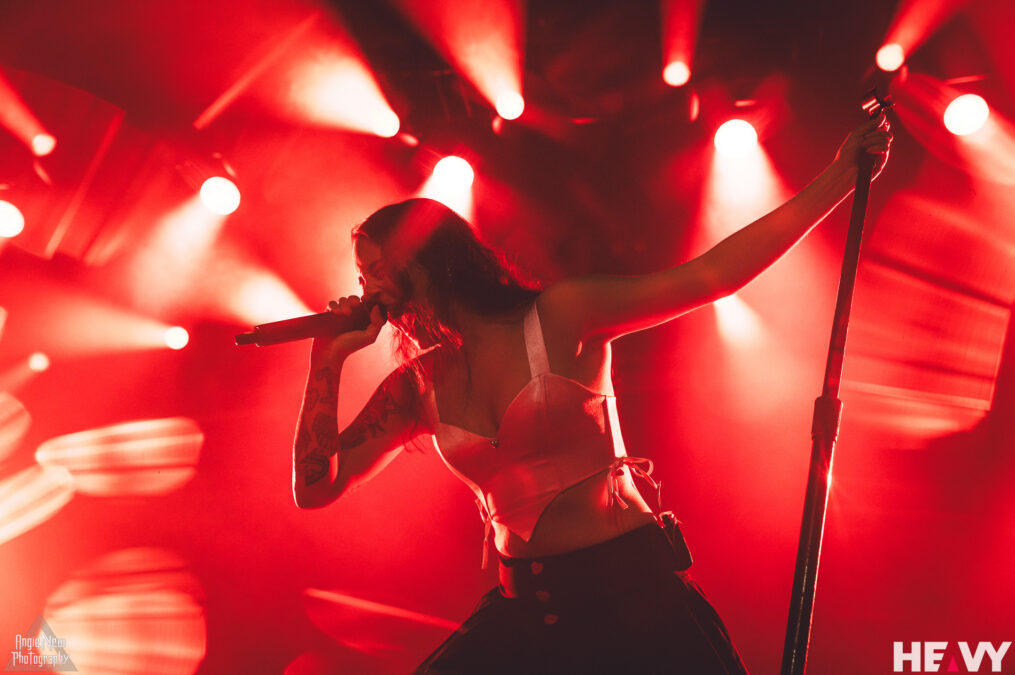
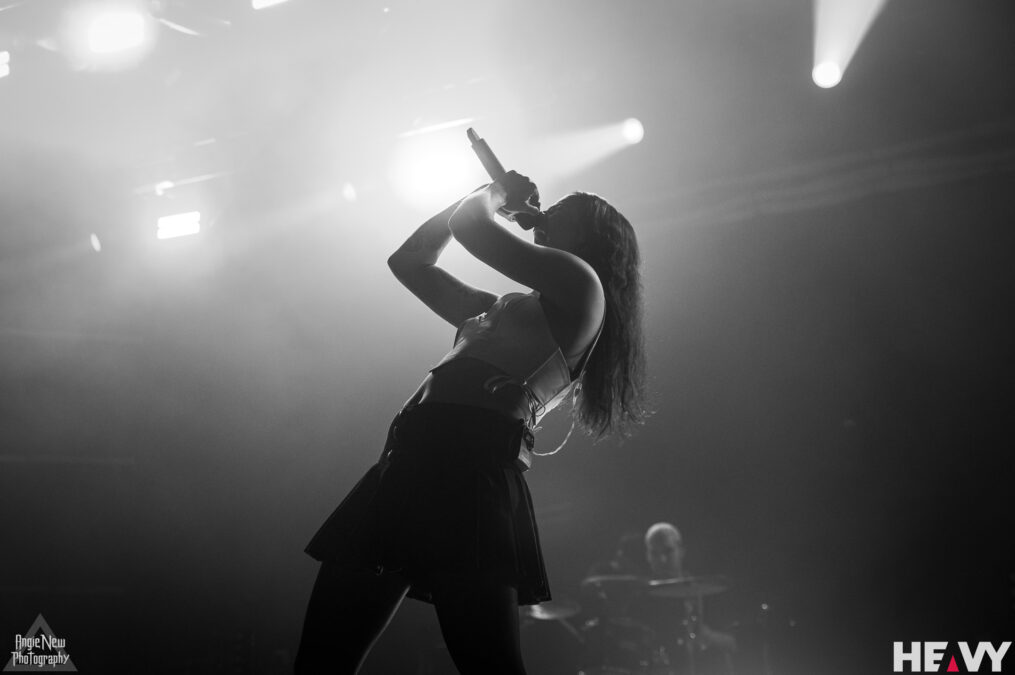
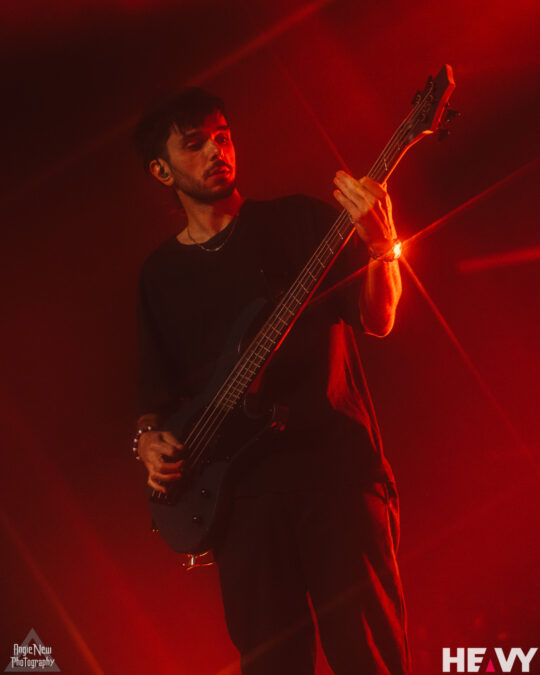
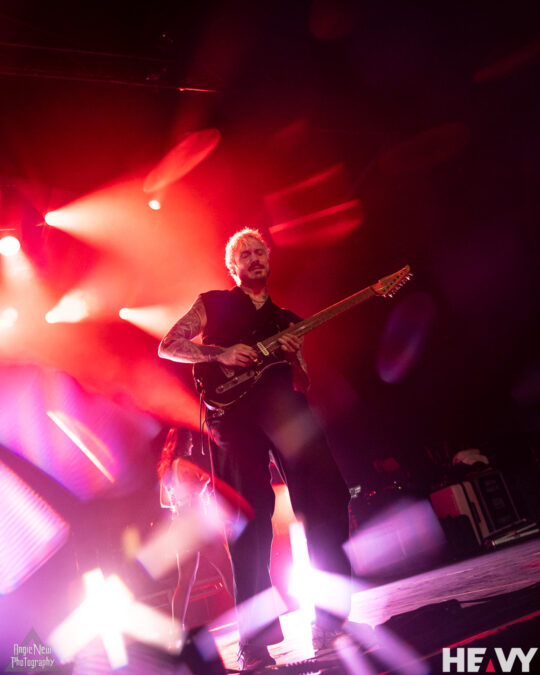
The opening band for Monolith was French progressive metal act Novelists, a wildcard act that many were unfamiliar with as this was their first visit to Australia. The quintet were certainly no slouches on their instruments and immediately commanded the attention of the Sydney audience. To such an extent, their crowd literally doubled in a matter of seconds, as people outside rushed into the Hordern to assess this relatively unknown band. The outfit is fronted by the highly talented and energetic Camille Contreras, whose vocals soared wonderfully over Novelist’s dense blend of big riffs, futuristic layered synths, and virtuosic lead guitar playing. The immense raw talent this band had at their disposal justified why they were selected to be part of this festival. Definitely one to keep an eye out for in the immediate future, as France certainly does not disappoint with their heavy music exports, bravo!
Toronto’s instrumental progressive metal outfit Intervals, led by world-renowned guitarist Aaron Marshall, has been the platform for many emerging and revered musicians within the prog scene for many years. His ability to surround himself with the best musicians on their dedicated instruments in the genre made Intervals a massive drawcard for Monolith Festival. Although I am not the biggest fan of instrumental music, Intervals were incredibly catchy for how technical their music is. The most redeeming thing about Marshall was how wholesome he was every time he addressed his many fans between songs. A very strong sign that progressive music is grossly misunderstood when it comes to ego, as it is clear most guys in the genre are having fun playing music that they love, regardless of how many people they play it to.
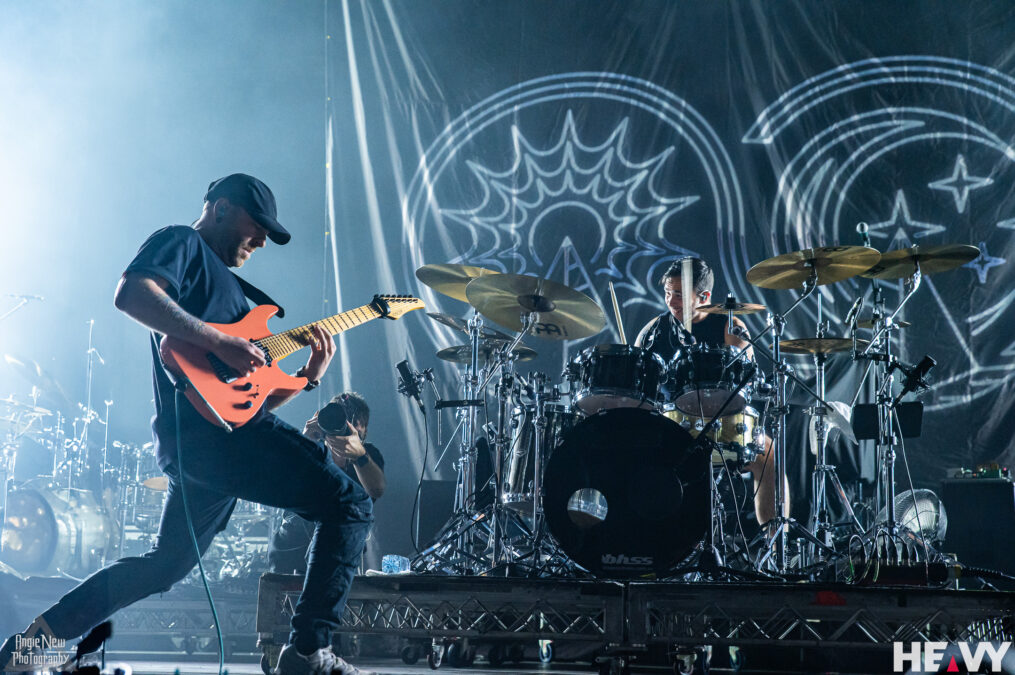
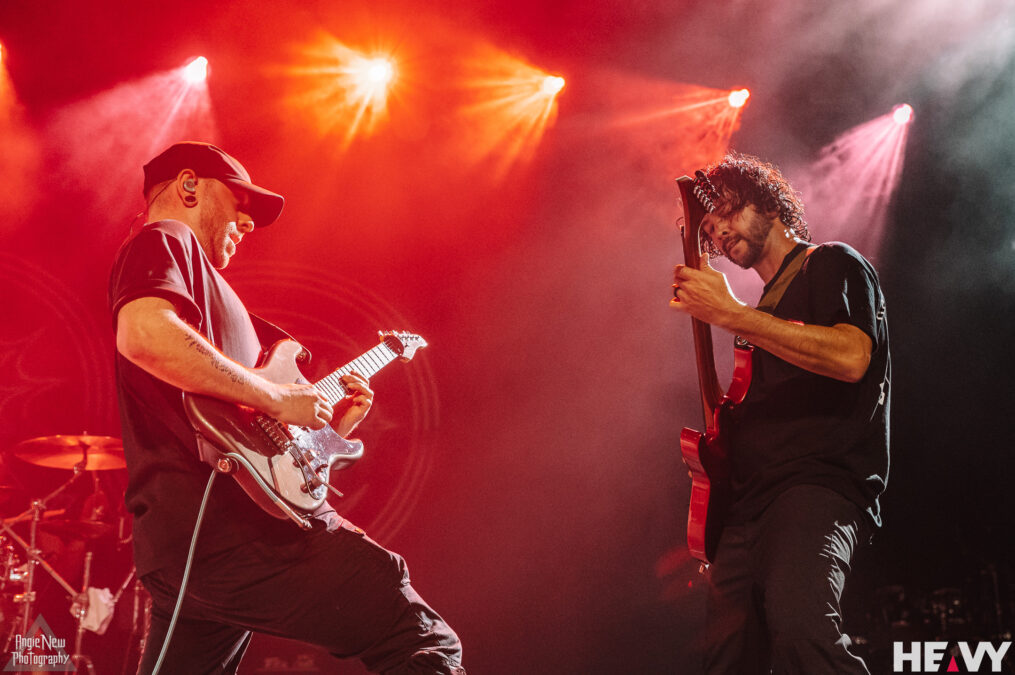
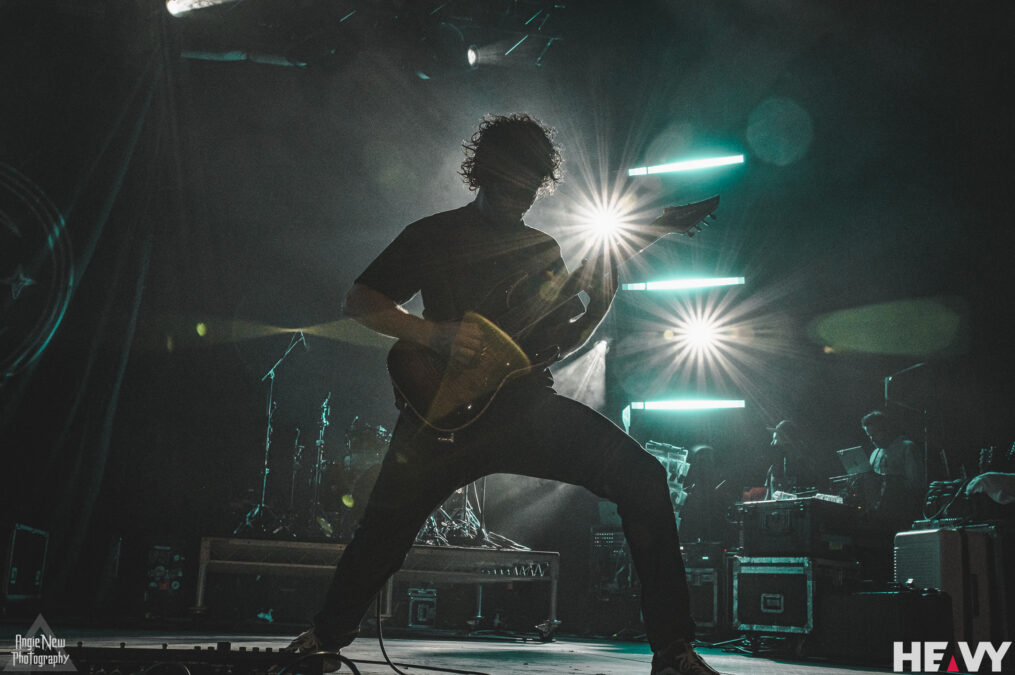
Intervals released a new album in 2024 titled A Voice Within which got a strong representation in their dynamic set. Songs like Neurogenesis and Nootropic fired up the Sydney audience with a wave of technical brilliance. Marshall humbly also reminisced about Still Winning and how this was the very first song he wrote for Intervals, and how the track developed from his parents’ basement to now being performed on some of the biggest stages all around the world. His success story in a highly niche pocket of the heavy music scene has been an inspiration, to say the least. His rhythm section also featured some of the best musicians in prog at the moment, including Jacob Umansky on bass, Travis LaVrier on guitar, and Nathan Bulla on drums. All equally as virtuosic as Marshall and dedicated to the amazing songs they enthralled us with.
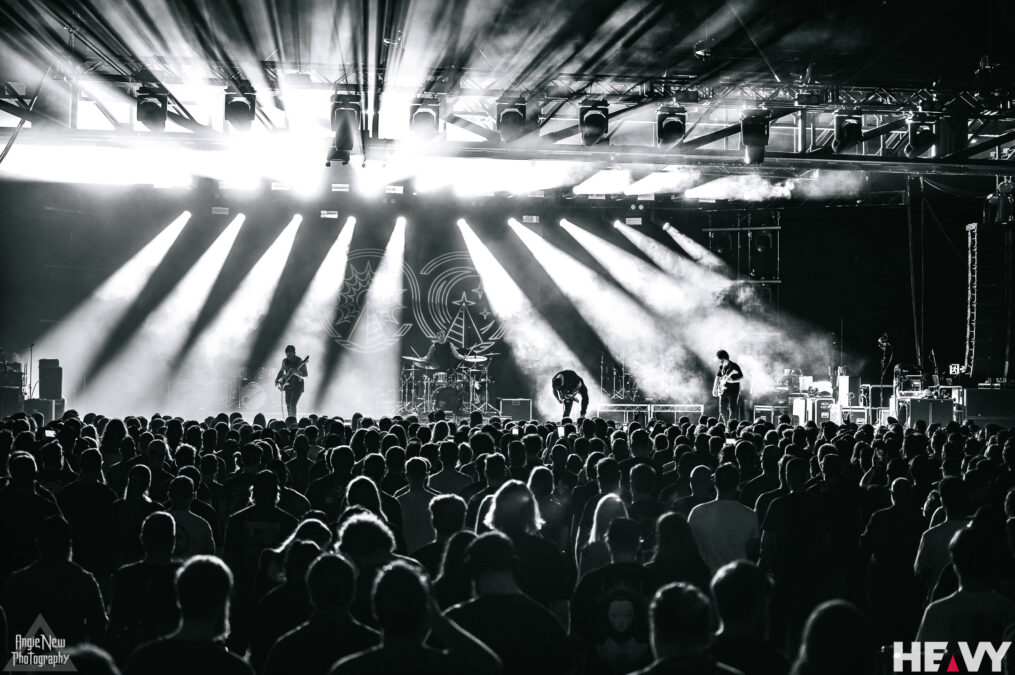
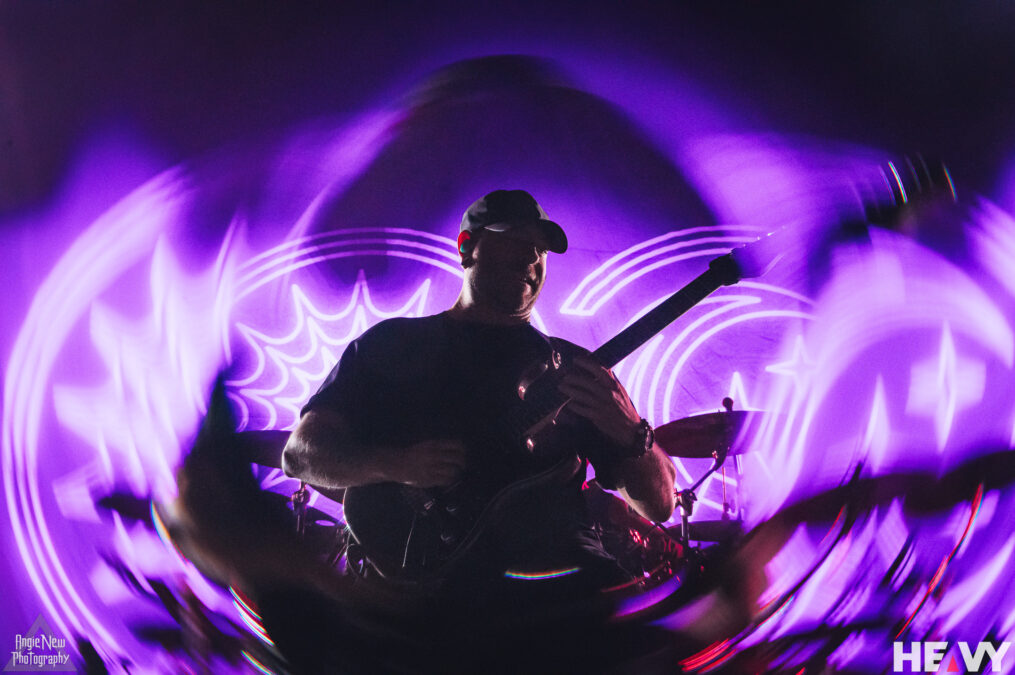
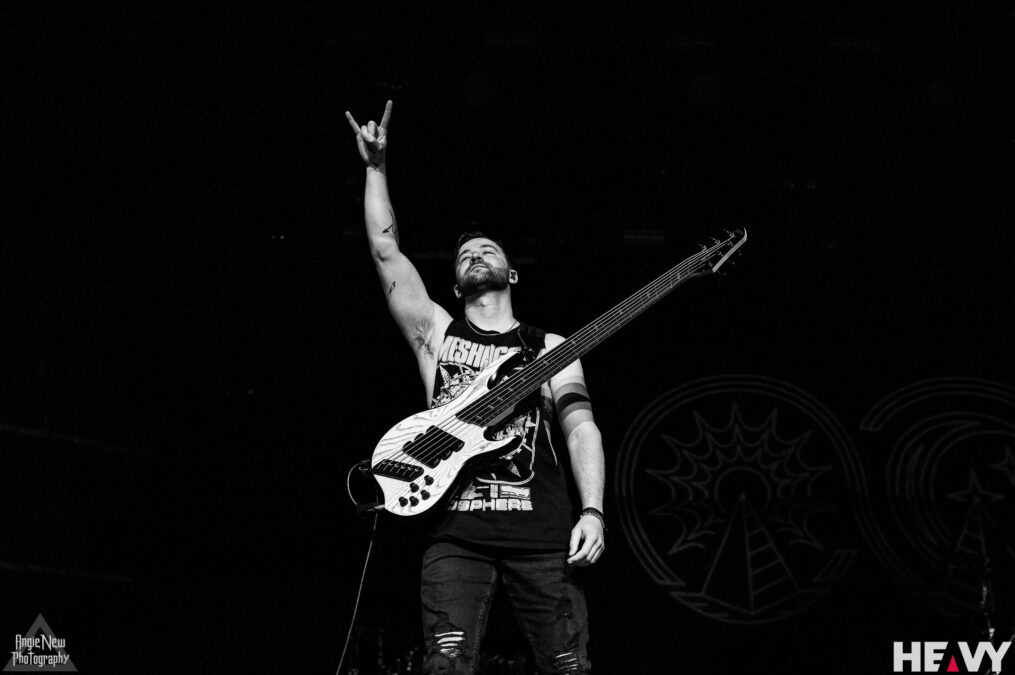
Next up was Norwegian Prog royalty, Leprous. They are a band that has eluded me for so many years until now, and I am not going to lie; this was the one I was most excited to see on the Monolith lineup. 2024 has been a busy year for the lads from Nottoden, releasing Melodies Of Atonement, an incredibly strong follow-up after the massive success of 2021’s Aphelion. Melodies Of Atonement is easily an album that stands out as one of the best releases for the year to date.
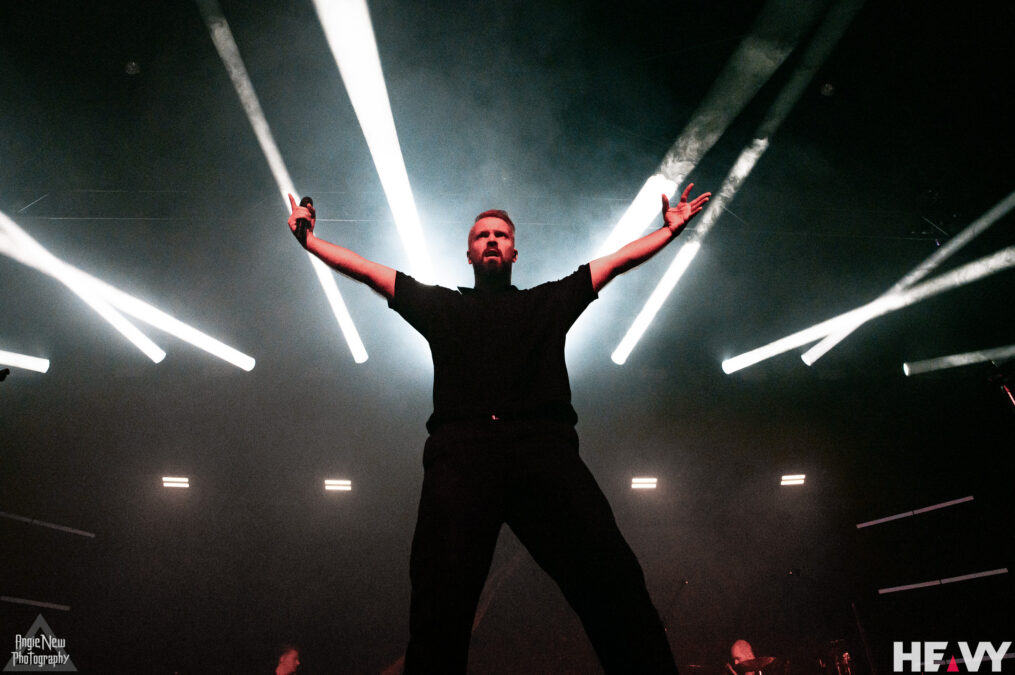
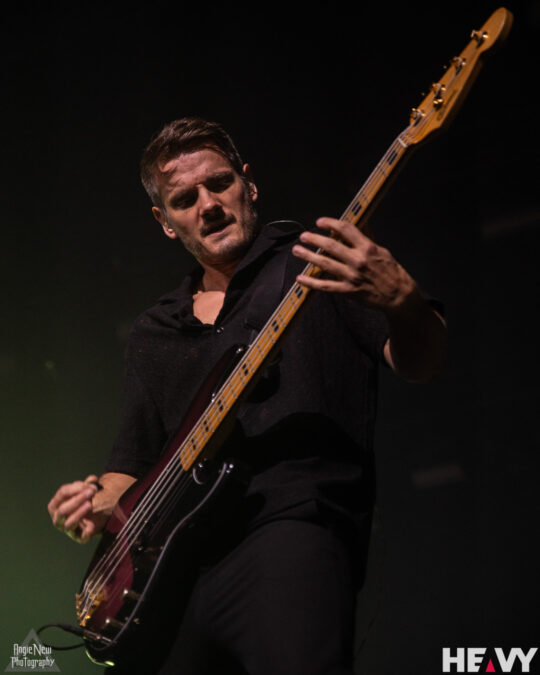
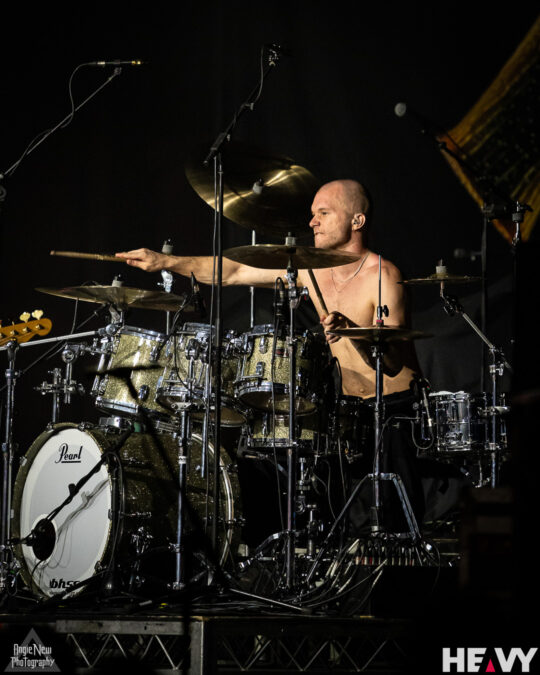
Beginning their set with Silently Walking Alone, this song was an evolution of contrasting musical textures that really highlighted the sophistication this band possesses as both songwriters and performers. Frontman Einar Solberg has one of the most distinct yet powerful voices within the entire genre. He can command so much conviction with his monumentally strong presence, yet draw you in with the intimacy of his gentle falsetto. Accompanied by some perfectly executed vocal harmonies from the band’s rhythm section, in some occasions up to three or four-part harmonies; Leprous demonstrated something rarely seen among modern heavy bands, as so many rely on their backing tracks for this effect.
Their set was filled with nothing but absolute bangers, with every song showcasing incredible stylistic variety. The Price, From The Flame, and Atonement all stood out as some of the most memorable songs from the set. However, Like a Sunken Ship was the crowning jewel of their performance. This anthemic masterpiece took the audience on one hell of a journey, marking a return for the band to their heavier roots. Leprous delivered a powerful performance that served as the perfect precursor for the bands remaining on the bill.
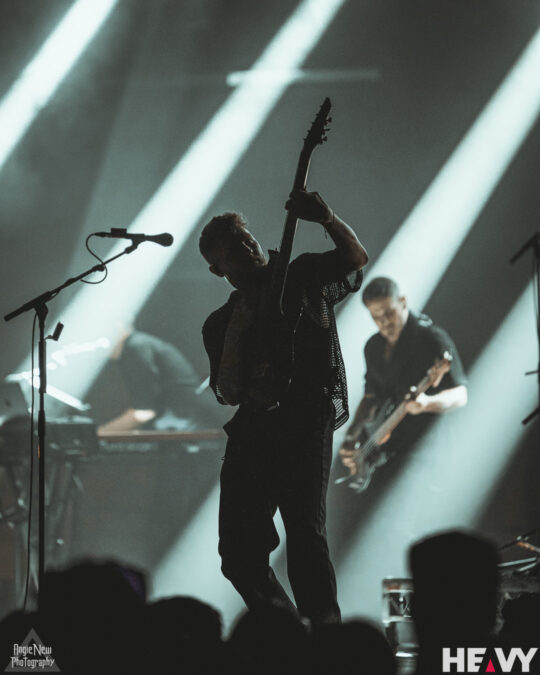
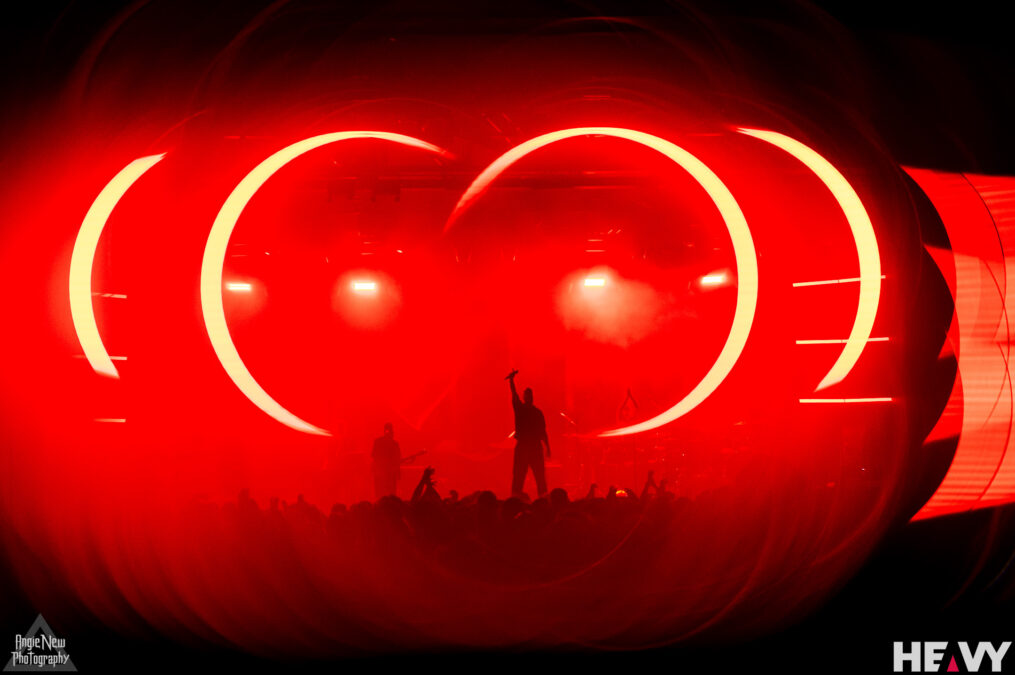
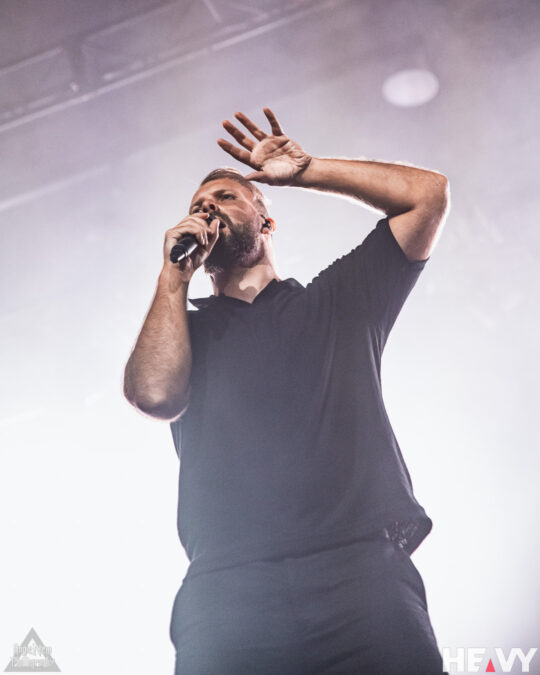
It is a fair assumption to make that the landscape of modern metal would not be the same without the tireless influence and drive of Periphery. The progressive metal quintet from Washington DC has been easily one of the most inspirational bands of the past 20 years. Although they are not credited for inventing the Djent sound, that arguably goes to the mighty Meshuggah; Periphery has popularised the movement into the mainstream music scene effortlessly. Seven long years have passed since these technical maestros last graced our shores, and they had a lot to catch up on with their legions of Australian fans. Frontman Spencer Sotelo reminded everyone that they have released three records since they last toured Australia, and they would be finally treating their fans to all their new material at long last.
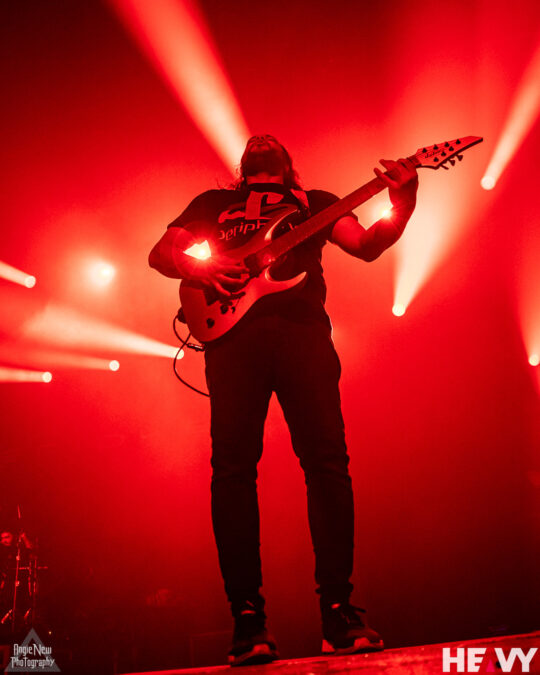
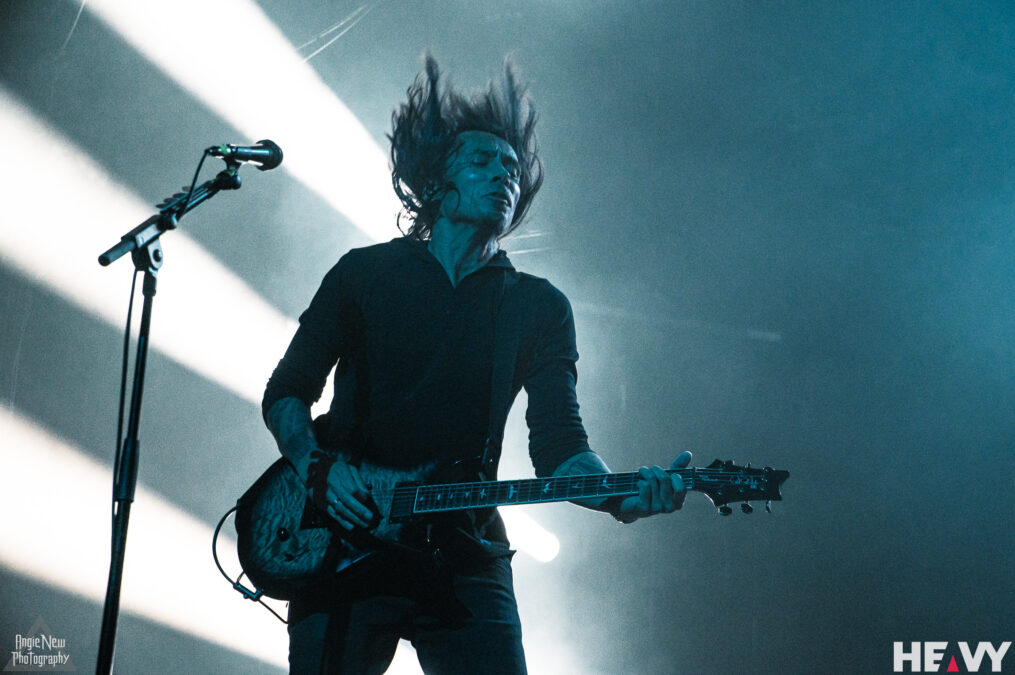
Opening with Wildfire from Periphery V: Djent Is Not a Genre, Periphery immediately asserted their dominance, powered by the triple guitar attack of Misha Mansoor, Jake Bowen, and Mark Holcomb. The complexity of Periphery’s music is nothing short of masterful, as even though their songs sound chaotic, there is always so much depth of amazing melody and rhythm hidden away to get lost amongst.
Periphery has always pushed boundaries and never been afraid to take risks, and they bravely included the 12-minute epic Reptile into their festival set. Most bands would not be this bold to try, but this is a progressive music festival after all, and the fans just lapped it up.
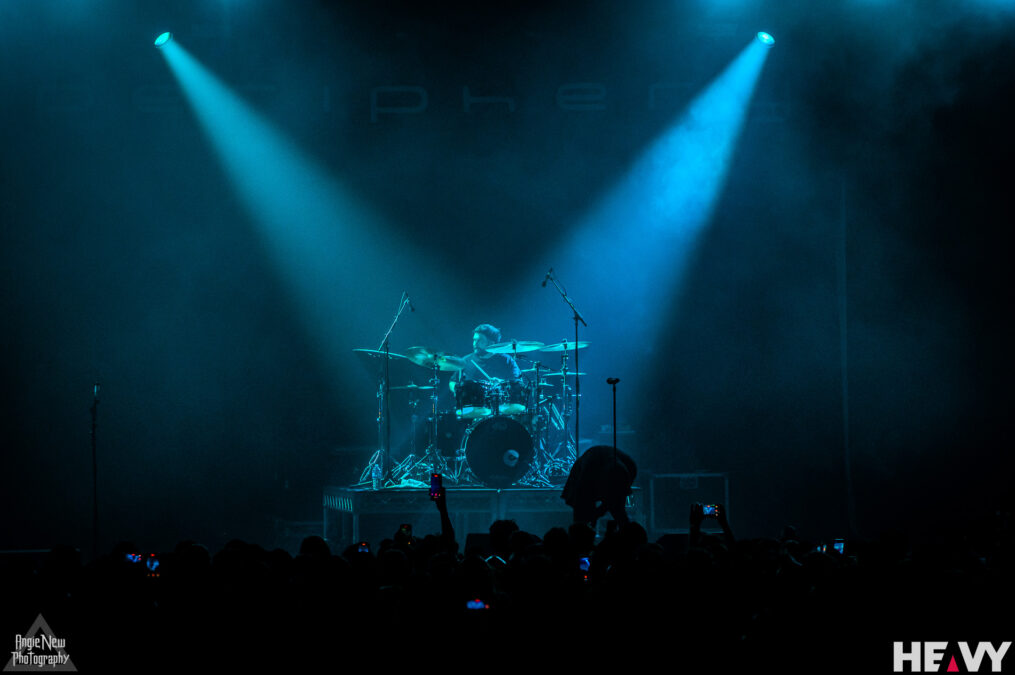
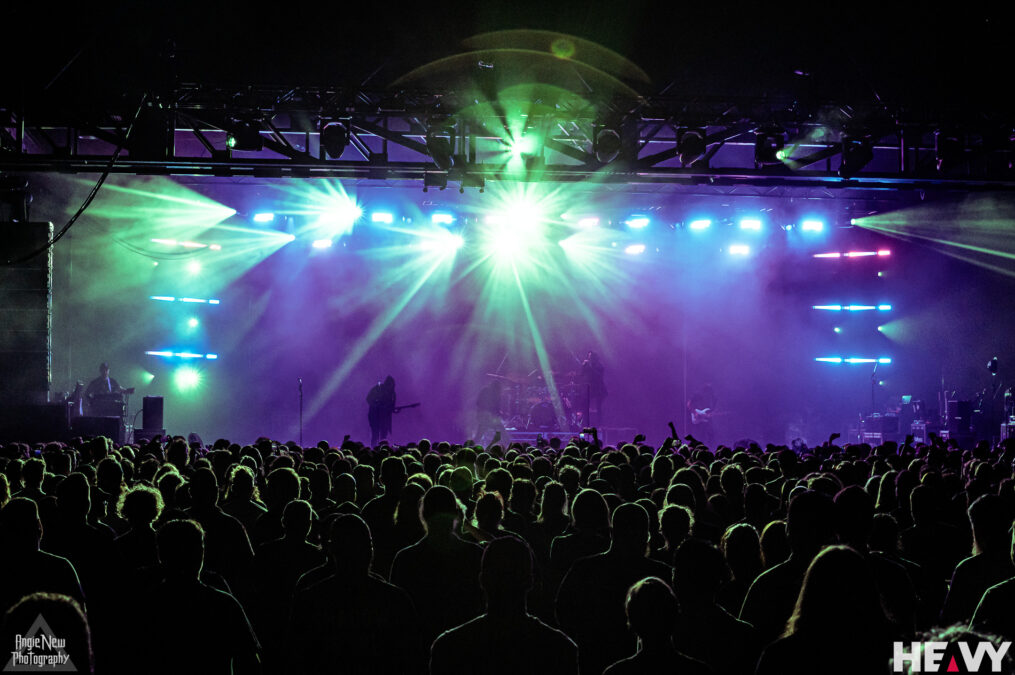
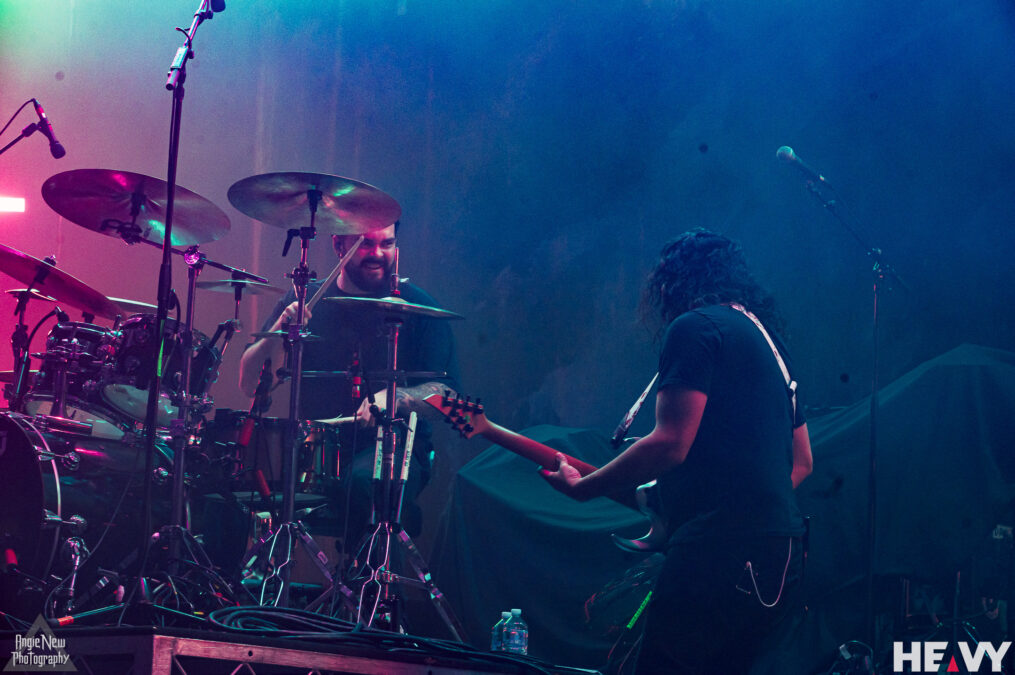
A notable omission from this tour was drummer Matt Halpern, who remains in the US after becoming a father for the second time. Prior to Monolith, he took to social media to express his regret about not being able to make it, but endorsed Melbourne’s David Parkes of I Built the Sky and Wallet Inspector to fill in on this tour cycle. Halpern is a world-class drummer, and they are not easy shoes to fill; however, David delivered an incredible performance on the skins, keeping true to Halpern’s parts, all the while playing every song with the biggest smile on his face. At many times in the set, Mansoor, Bowen, and Holcomb all climbed up the riser to be up close with Parkes and feed off his dynamic energy on the kit.
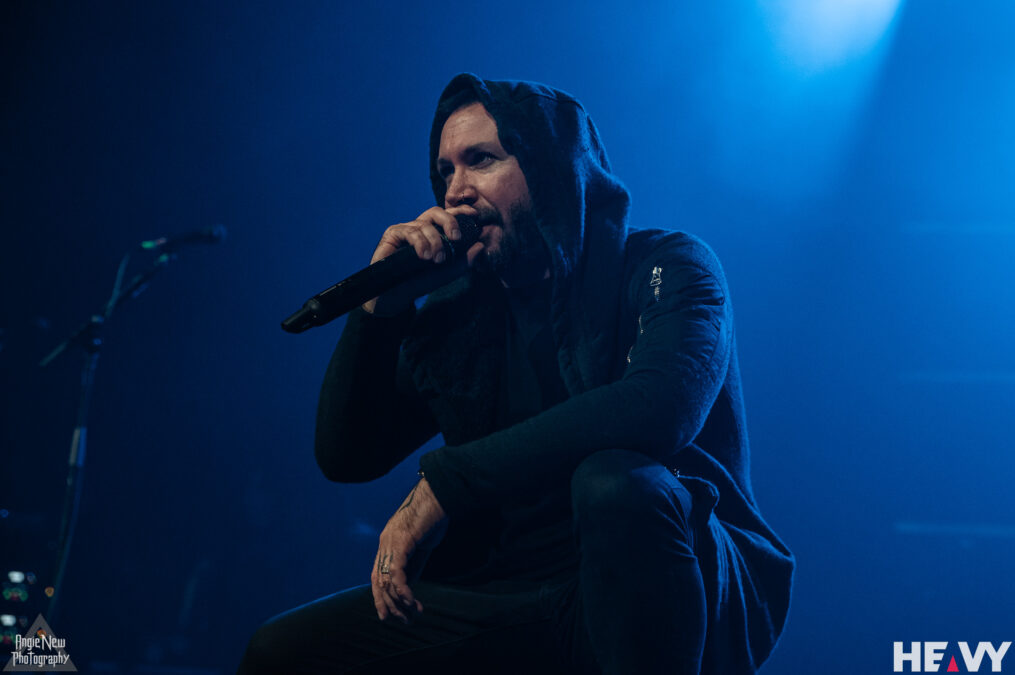
Sotelo’s vocal performance was absolutely crushing and he elevated Periphery’s dense arrangements to mighty extremes. His range, control, and variety of screams make him one of the standout frontmen of the modern era in metal. The virtuosic nature of this band is not just limited to their frontman and absent drummer, but also to each guitarist as well. The most amazing factor of why their triple-guitar arrangements work is that Mansoor, Bowen, and Holcomb are so stylistically different when they play lead, but can easily cover each other’s parts if required with the same technical precision and conviction.
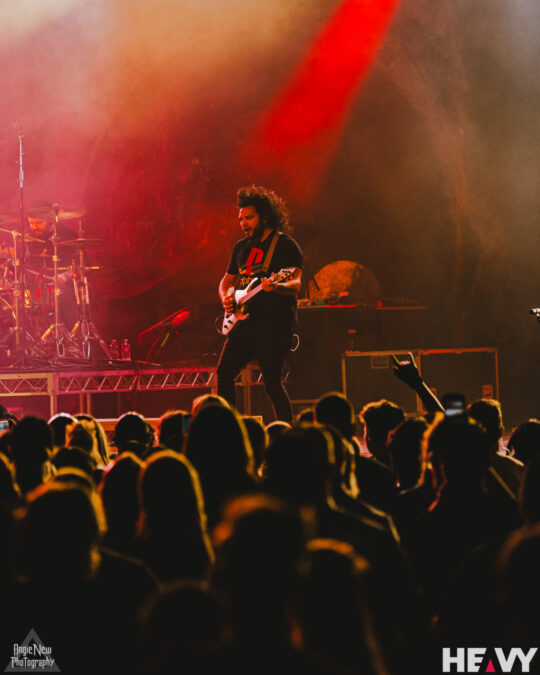
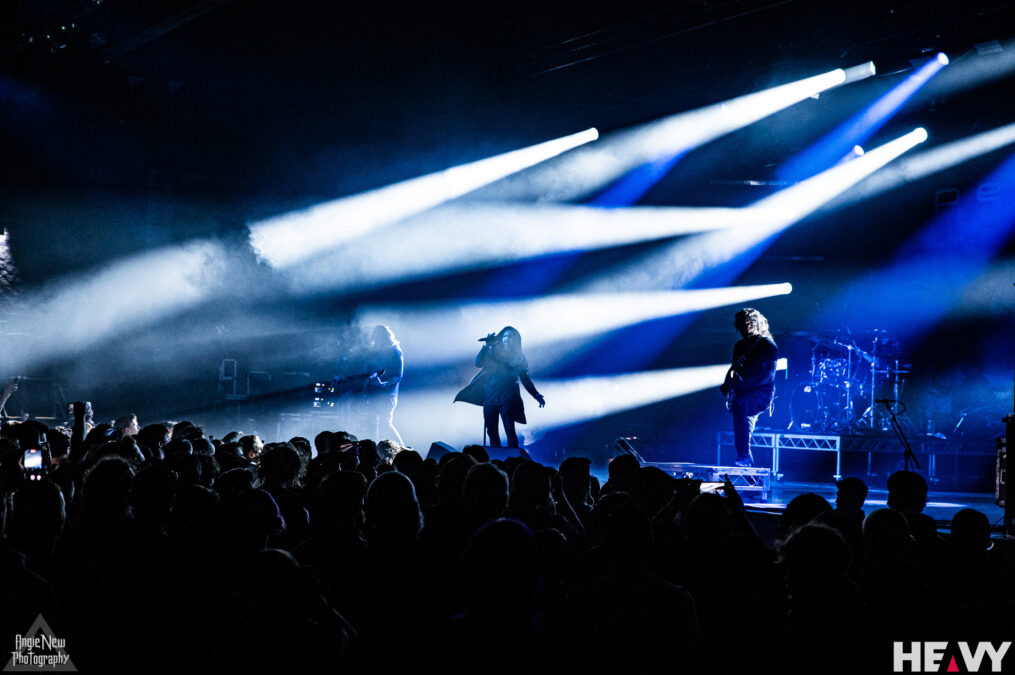
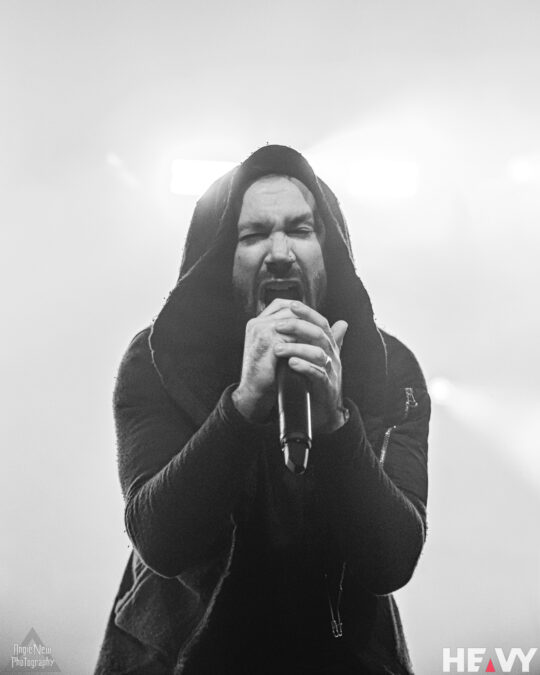
This alone sets the band apart from the status quo. Concluding their set with a few modern favourites including Marigold and Blood Eagle, Periphery’s energy only intensified the already rowdy Sydney audience. As the band left the stage, Sotelo hinted that we will see them again very soon. This band has a deep affinity for Australia, so I look very forward to seeing Periphery again in the very near future.
Finally, the last band for the event was New York progressive rock natives Coheed and Cambria, a band that has enjoyed an illustrious career over the past three decades with incredible mainstream success. In 2024, they marked the 20th anniversary of Good Apollo IV: The Burning Star IV, Volume 1: From Fear Through The Eyes of Madness, arguably the band’s most acclaimed release to date. An album whose influence has transcended beyond the realms of the progressive world, touching those within the popular emo and post-punk scenes of the mid-2000s. Coheed and Cambria’s music has always been experimental, yet uniquely different from many bands within the same genre. So, to see them perform this masterpiece in its entirety was a very early Christmas present indeed. It was a little disappointing to learn that a few
people left early and did not give the band the respect they deserved for this occasion, but I’m sure many would come to regret that decision later on.
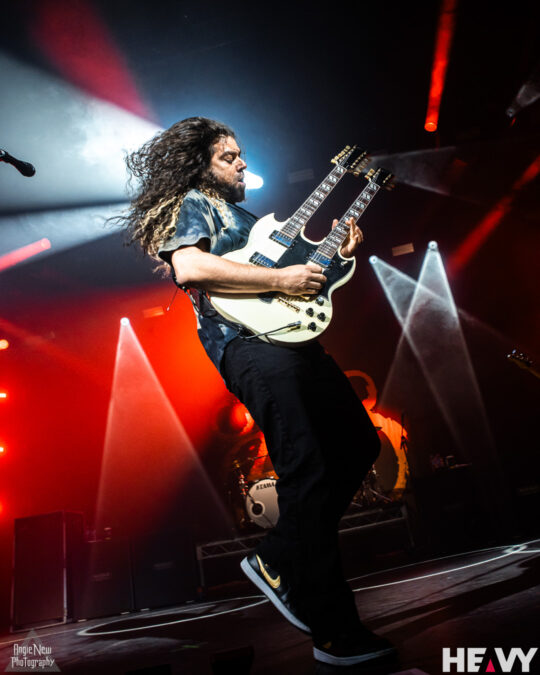
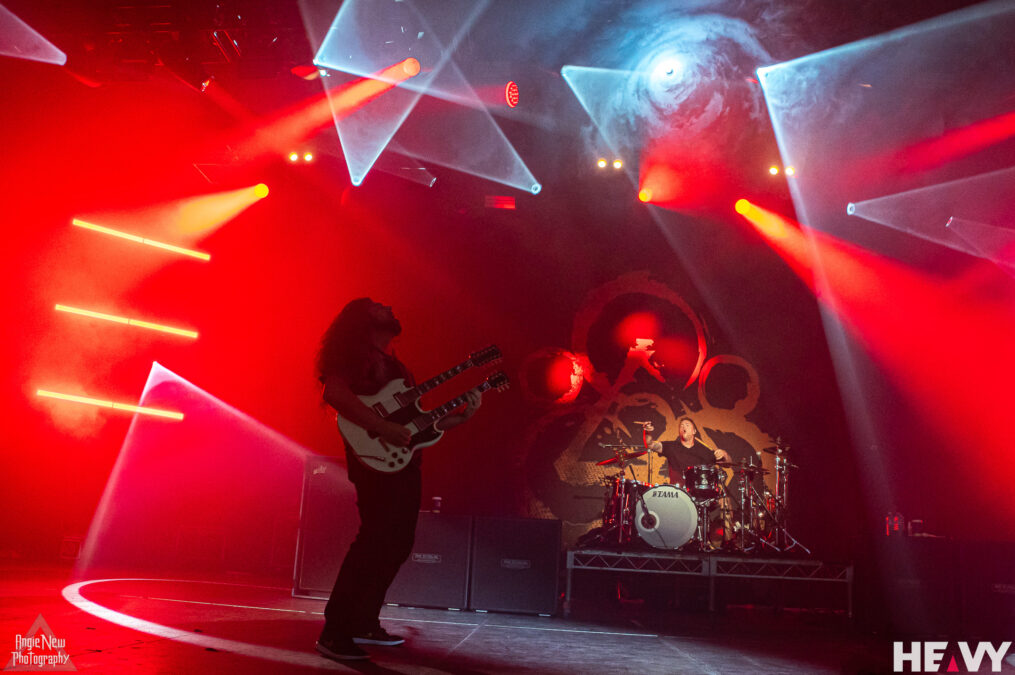
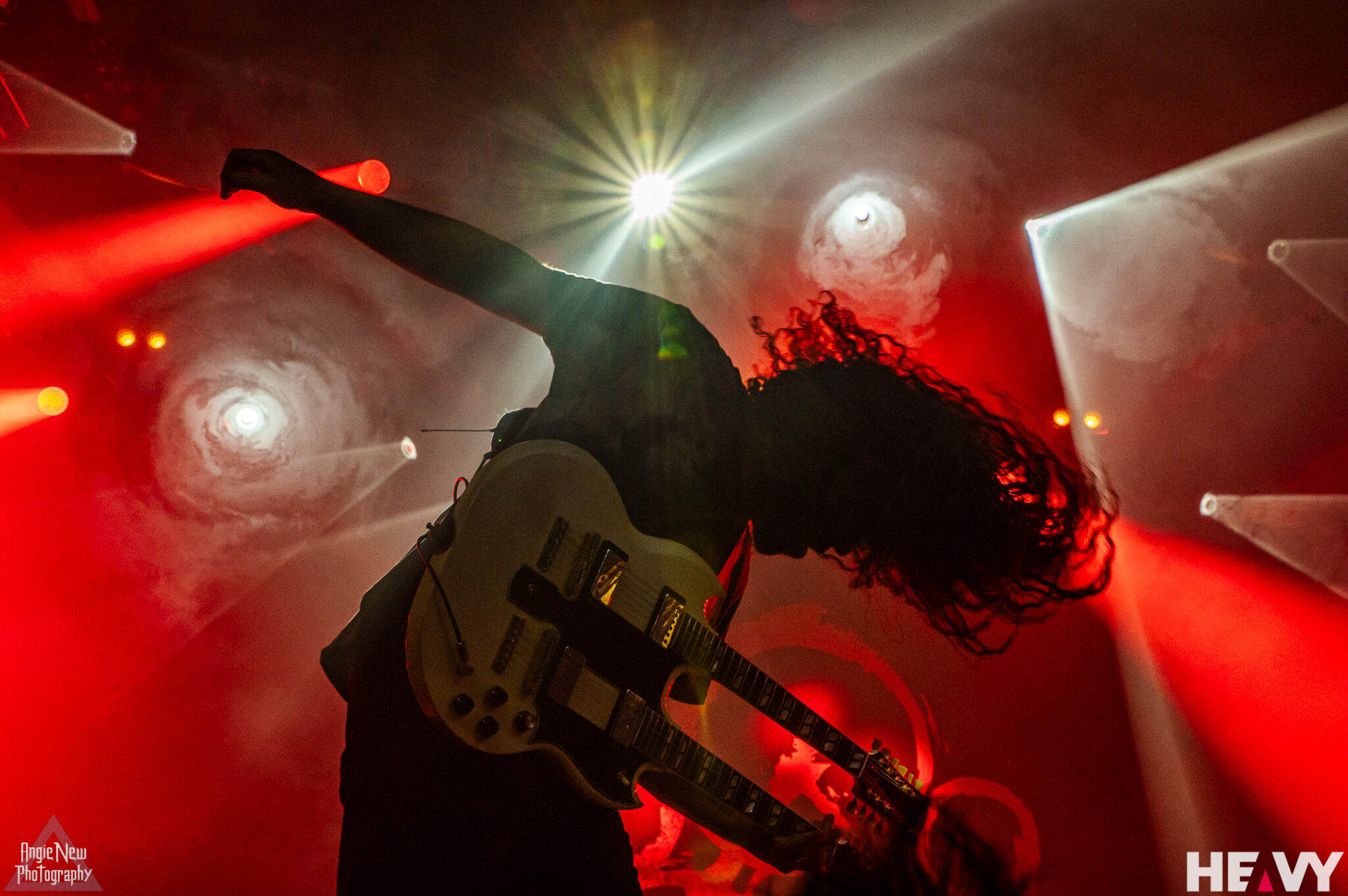
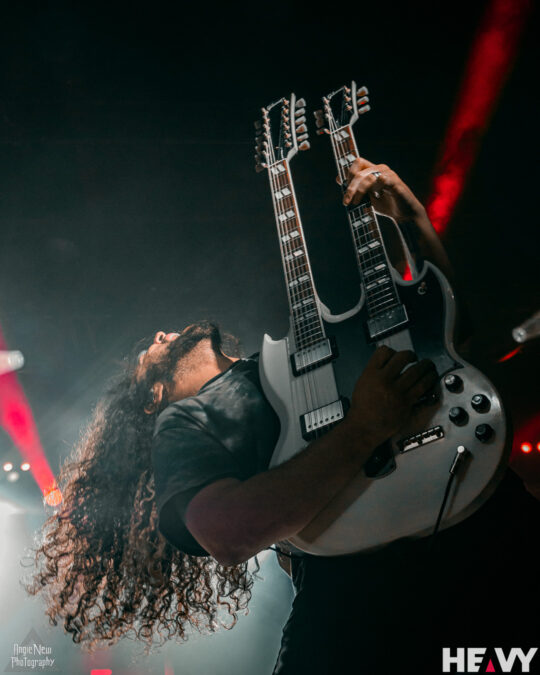
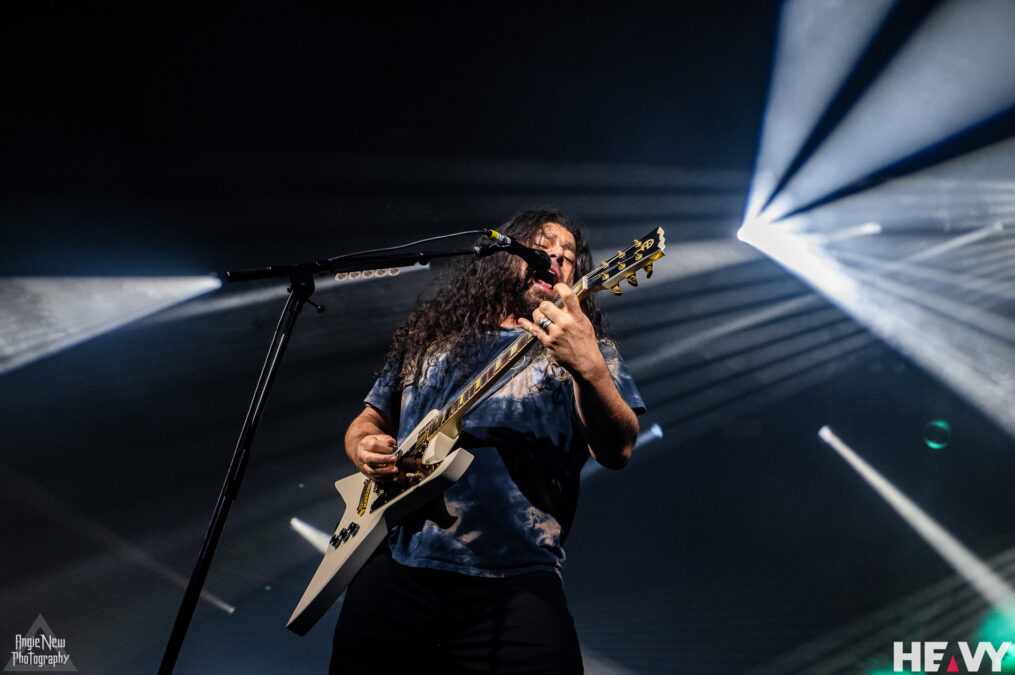
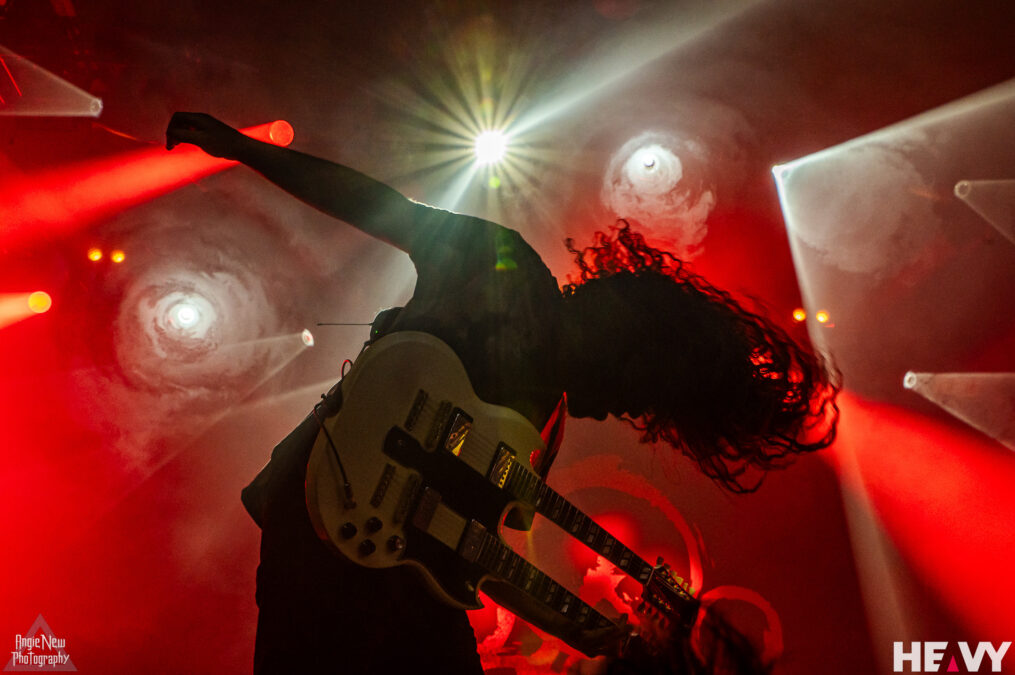
Always and Never showed a delicate side to Coheed’s vast musical repertoire, as the song gently pulls at your heartstrings just before you are transported to the heavy timbres and riffs featured in Welcome Home, the band’s most beloved rock anthem. Frontman Claudio Sanchez extracted every last ounce of tone and energy from his double-neck Gibson SG as he swayed his long, curly locks around like a madman. Sanchez is an absolute weapon, as not only is he responsible for many complex guitar riffs and solos, but he also has the ability to sing in a register that many envy. Welcome Home is a progressive masterclass that regularly explores light and shade, as well as enjoying some subtle self-indulgence. Many may remember this song from shredding on Guitar Hero back in the day. Claudio Sanchez and guitarist Travis Stever traded guitar solos effortlessly whilst they paid homage to the classic rock bands of yesteryears.
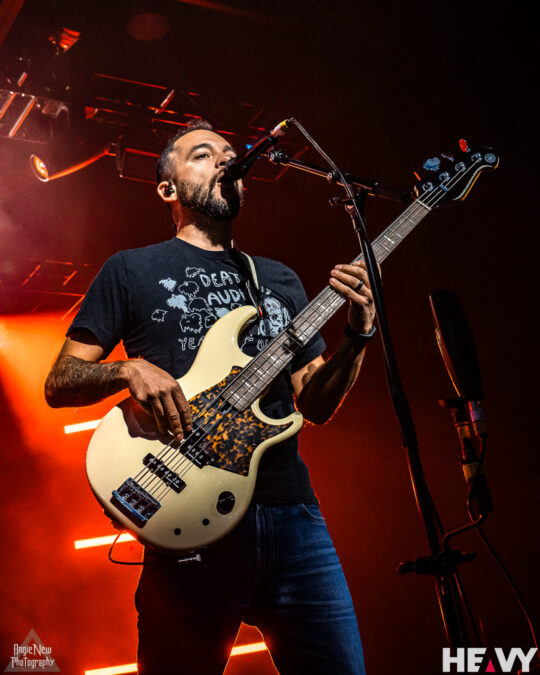
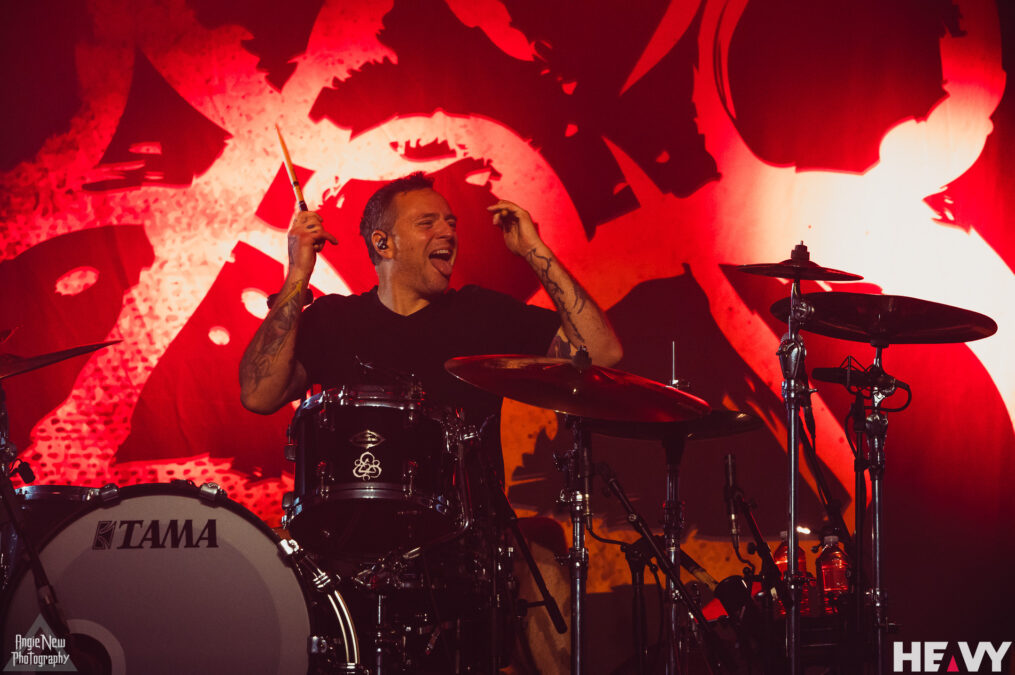
The album has many amazing tracks that you can’t help but sing along and air drum to. Ten Speed (Of God’s Blood & Burial), Crossing the Frame, and Apollo I: The Writing Writer are all examples of the effective range this band occupies musically. The foundation of their big sound is drummer Josh Eppard, who, since returning to the band in 2012, has continued to drive and evolve the textures of Coheed and Cambria. Many great drummers have played with the band in Eppard’s absence, including Chris Penne (The Dillinger Escape Plan) and the late Taylor Hawkins (Foo Fighters). Eppard’s open-hand style is so uniquely different among his peers within the genre. He can easily fool you into thinking the parts he plays are very simple, when it is far from the fact, demonstrating his genius on the drum kit. One other thing to note about Coheed and Cambria’s show is that other than the instrumental backing tracks between songs, what you hear on stage is the four musicians in all their glory. By not depending on the technologies available to them to aid their live sound, it certainly added a level of honesty and authenticity to their overall performance.
Wake Up revealed another side to the band, with a very soft and thoughtful approach. The swing of the song and the gentle melodies were haunting yet beautiful at the same time. Claudio’s vocals for the better part of the entire show were on point, but there were moments where fatigue was evident, which highlights how sincere this band is as a live act. The set concluded with the four-part The Wishing Well chapters, which reprise themes from previous songs on the album. This is where the band really demonstrated their ascendancy as one of progressive rock’s powerhouses. Every song in the second half of the set clocks in at over six minutes long and explores many different elements of the musical landscape.
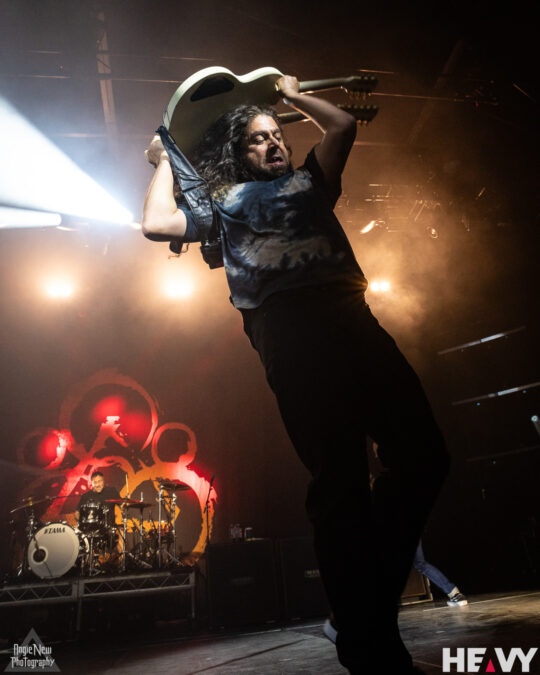
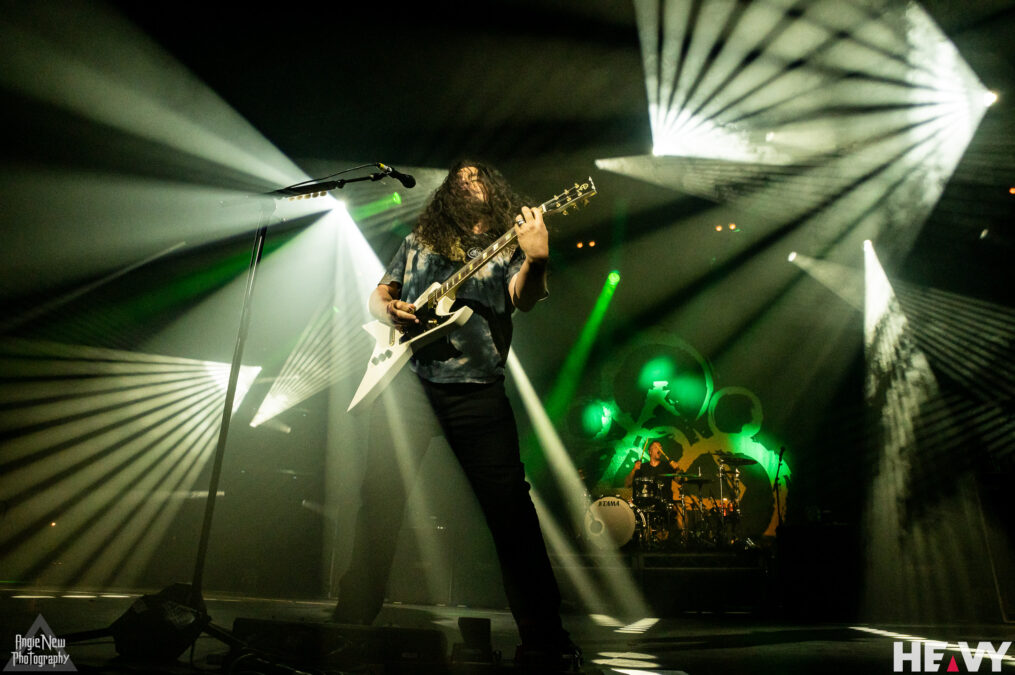
After a brief respite following the Good Apollo IV experience, the band treated the Sydney Monolith audience to a two-song encore. A Favor House Atlantic and In Keeping Secrets of Silent Earth 3 were the choices to conclude a memorable event. The band did not rely on talking between songs to engage with the audience; they let their music do the talking. I can safely say that Coheed and Cambria delivered one epic performance that paralleled every band that dominated at this magical festival.
The whole event was such a memorable experience indeed, and the lineup was definitely much stronger than many gave it credit for. The order in which the bands performed seemed so carefully thought out, as it felt like each band just got more powerful and dynamic leading up to celebration of Coheed and Cambria’s performance. I really hope Monolith Festival returns in 2025, as fans of the progressive genres prove time and time again that they will go to great lengths to support their favourite bands. With opportunities for festivals becoming fewer in Australia, this is definitely a promising one that needs our support!