
With Daryl Soar
Daryl Soar is a lifelong Metalhead who, as a musician and writer, has spent years on both sides of the barrier. He is the vocalist and guitarist with Raptorgeist and loves sharing his passion for all things Metal. Whether it is an established name or a band playing its first handful of shows, he believes everyone has a story worth hearing.
After years of talking to artists and fans, the same concerns have come up time and time again. Through monthly Metal Breakdown segments, Daryl wants to explore those concerns, challenge some conventional thinking and hear what metal fans, musicians and industry insiders around the world have to say. Is metal dead? Can we still afford the price of entry? Who’s next? And, perhaps most importantly, am I right? Check out today’s case study on the COST OF CONVENIENCE.
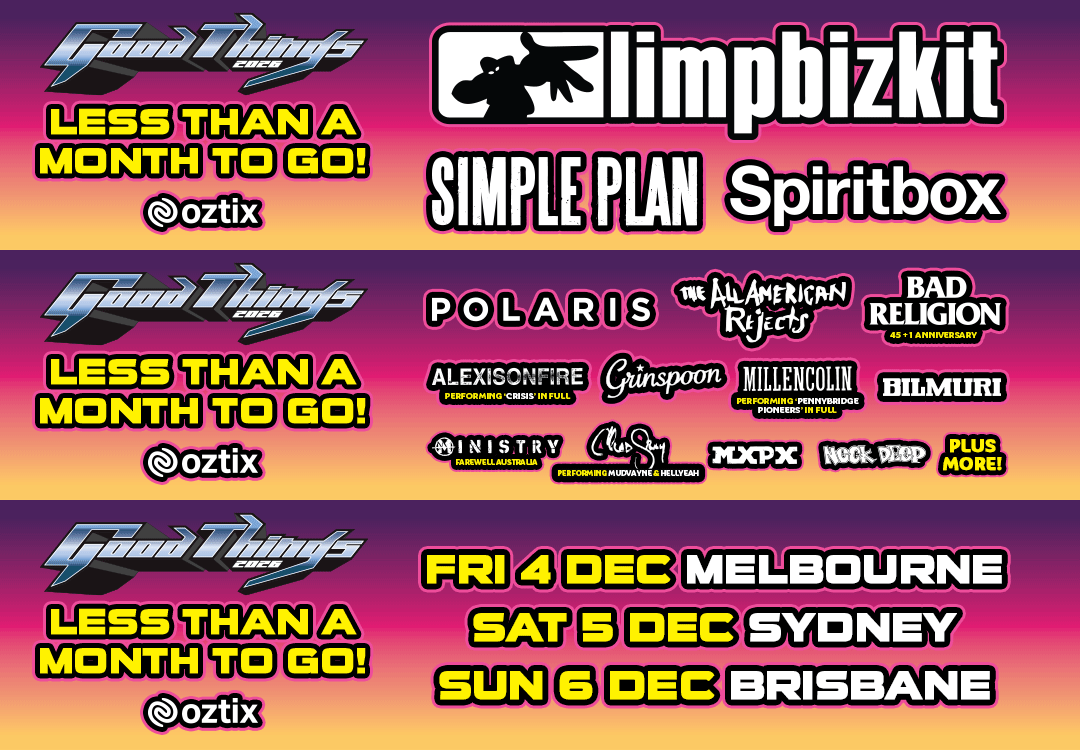
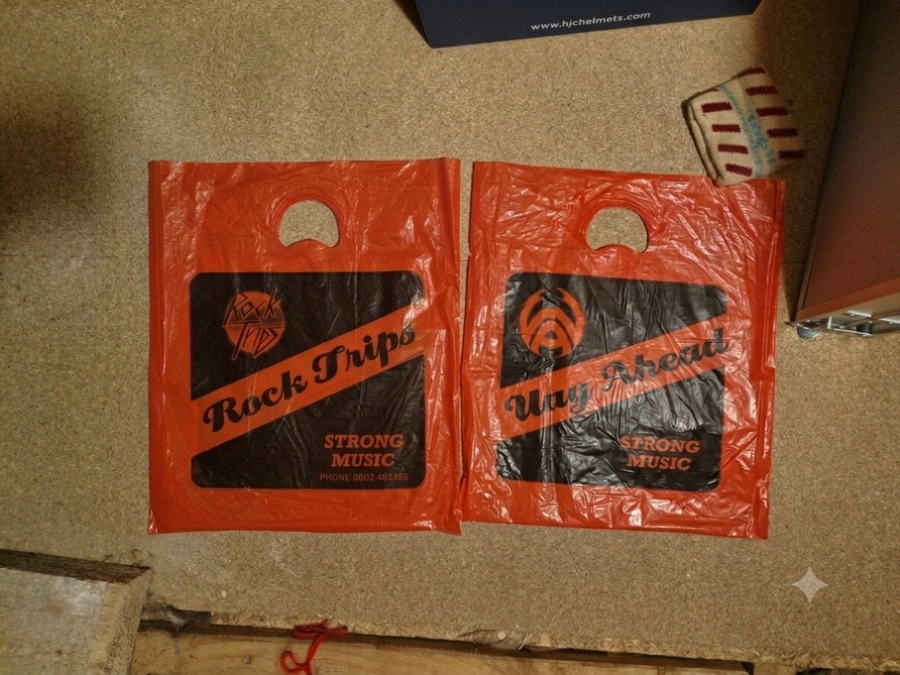
When I was 16, I’d spend most Saturdays at a place called The Main Centre. It was a small shopping precinct that had little to offer, apart from two record shops and a half-decent café. One of those shops was the now legendary Wayahead Records. People would queue outside to buy their gig tickets, often as part of a package deal including coach travel. My Wayahead days involved going through the vinyl looking for the next thrash masterpiece. I had little to go on but the cover art and the record’s location inside the shop. You could ask the staff the title of the song playing if something piqued your interest, and they would direct you to the record. The staff were music lovers too, and it mattered. The place buzzed with activity and excitement.
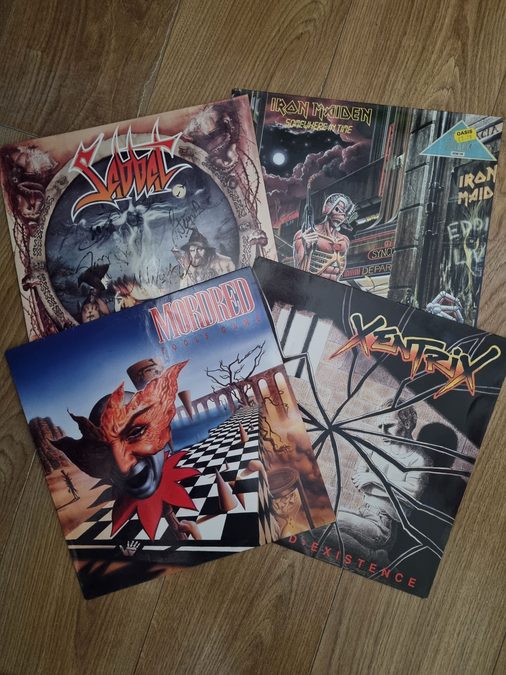
I’d sit outside on a bench with friends and discuss our latest, or next, purchase. We had real, tangible products in our hands, real works of art to cherish and love. And I still own them today. From Iron Maiden to Death Row, Dio to Mordred, these albums were played on repeat until every nuance was burned into my brain. If I put one on a record deck today, the exact same music would pour from my speakers, and I could read the 12-inch insert with glee. Ticket prices were often under £10, including the coach. That’s about $20. It sounds cheap and, compared to today’s prices, it was. But back then, outside of bootleg tapes that could be purchased at gigs, or the copies we made of our mates’ albums, access to new music was limited. The internet didn’t exist, boys still browsed the Freemans catalogue for entertainment, and magazines like Kerrang! were the only way to improve your hit rate on good music. This meant almost all the cash still made it back to the music industry, with a modest sliver going to the artists. More importantly, it was a world built around people meeting people, discovering music together, and owning something real when they left.
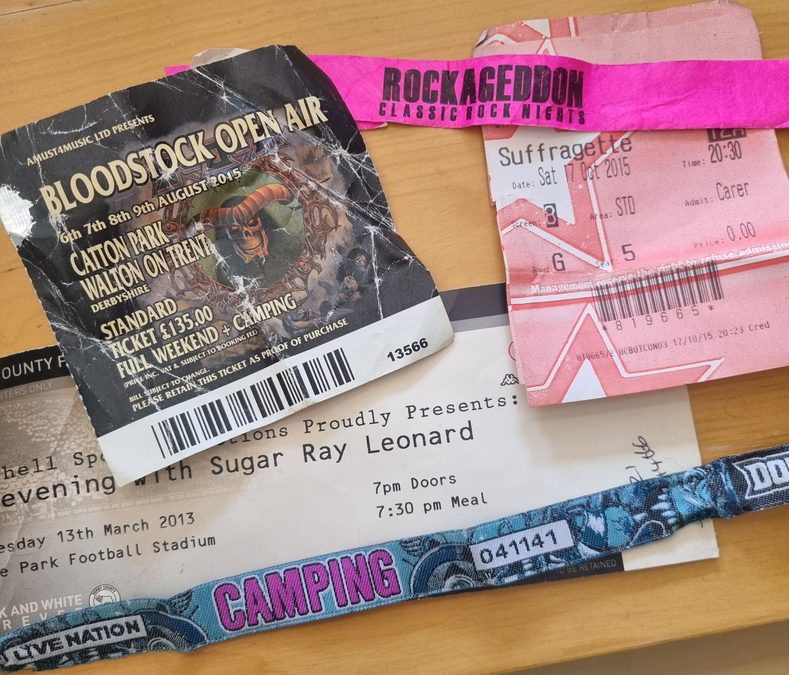
The first sign of change was the telephone line to the Wayahead office. Call up and book your tickets and travel, then wait for the post to arrive with your personal printed piece of delight. Again, I still own some of those ticket stubs for reasons beyond my own understanding. Tickets that you owned and could choose to sell to anyone. This took some footfall from the shop and inevitably began its demise, along with the shopping precinct. Convenience had arrived, but at a cost that wasn’t immediately obvious. Then came the internet. At first it was a Wild West with promise and opportunity. Crazy things could, and did, happen. Not fast, usually after slow beeps, pops and gurgles, but change happened at an exponential rate. For the first time, you could access things without the need to physically be somewhere else. It was beyond belief, as should have been some of the scams. You could listen to music without the need for a physical medium to play it from. How convenient?
BitTorrent and LimeWire allowed files of any type to be shared and presented themselves as legitimate tools. They offered direct file transfer and ways to share your digital content however you chose. No one was going to stop you doing what you liked, and you felt great sharing your own creations. The downside was that you could and did share other people’s creations. Only to your friends of course… and them to their friends, and them to theirs… Napster always offered music. Free music. At the cost of a revenue stream to the industry and its bands. Pirate Bay became famous for fighting shutdowns and ignoring criticism over copyright infringement. I was never comfortable with this model and, as a musician, didn’t partake in the theft of income to my favourite artists.
Unfortunately, the convenience of accessing music you couldn’t buy or couldn’t afford proved irresistible to most. It sparked legal battles with bands and the eventual closure of Napster in its original form, but the industry couldn’t put the genie back in the bottle. The taste for free, at-the-point-of-entry music was out of the bag. People knew free wasn’t really free, but they couldn’t relinquish the drug of convenience. It was a craving the industry would soon learn to exploit.
One overlooked issue with a digital copy of your favourite song was that you didn’t own or control the version you held. So that bootleg 1973 tape you digitised might be transformed into an official release, or disappear from your collection. Not so problematic if you still held the original, but really not so convenient if you didn’t. This may have been rife in the days of Napster and the Wild West of file-sharing services, but while it’s rarely talked about today, I struggle to believe it never happens in the age of Spotify and Apple Music. For music you only ever obtained from a streaming service, well that’s another story. What you get is what you’re given. The version you receive is entirely in the hands of the streaming service, which in turn is at the mercy of the copyright owner. You have no right to expect the version you get today to be the same version you listened to last week, because the industry knows best.
What we gave up when we stopped buying vinyl was ownership. We traded it willingly for the drug of convenience. Along the way we also surrendered a little more control over the music we loved, and a little more of the community that surrounded it. Looking back, the first real casualty of convenience was ticket sales. Even before broadband, the likes of Wayahead selling over the phone meant there was no need to queue in the rain, no need to travel to the town centre, just call the number and ask for the deal. Eventually, there would be no need to call either. This was the beginning of today’s online ticket networks, with tout-busting technology, double-dip resales and surge pricing. The queues disappeared. So did another place where music fans simply gathered because they loved music. The industry changed. It created its own networks. With no physical media, it could sell it all and never deliver a thing. It capitalised on convenience. With virtually no manufacturing, packaging or distribution costs, it could sell you access instead of ownership. Artists, on the other hand, were forced towards becoming glorified merchandise sellers. The music became the advert for everything else.
As record labels like EMI faltered, rivals like Spotify established themselves. The business model changed. Where radio paid its way, the new kids on the block agreed to pay a share of the money based on streams. The per-play amount from a free subscriber, however, is little more than 0.00000001 of your local currency. Millions of plays deliver next to nothing. Premium subscribers transfer more per play, but even then the money is not split equally. The biggest artists receive the biggest share of the pie.
Convenience had become a business model, and artists were now paying for it. Many of us are happy to live with the adverts for the convenience of not having to put our hand into our pocket. We are responsible. Yes, us! Every time we let the next track play, or click through our friend’s recommendation, we are contributing to a system that pays an artist a tiny fraction of what a purchase once delivered. The flip side is that the bands now potentially get access to something rather than nothing. They may find a following in a far off land. They might gain your presence at a gig, or make an extra T-shirt sale. But let’s be honest, how many of those new band listens translate into a costly purchase? How many translate into a conversation with a friend and a recommendation that leads to life-preserving income for that new artist? It looks like we’ve traded collecting music for consuming it.
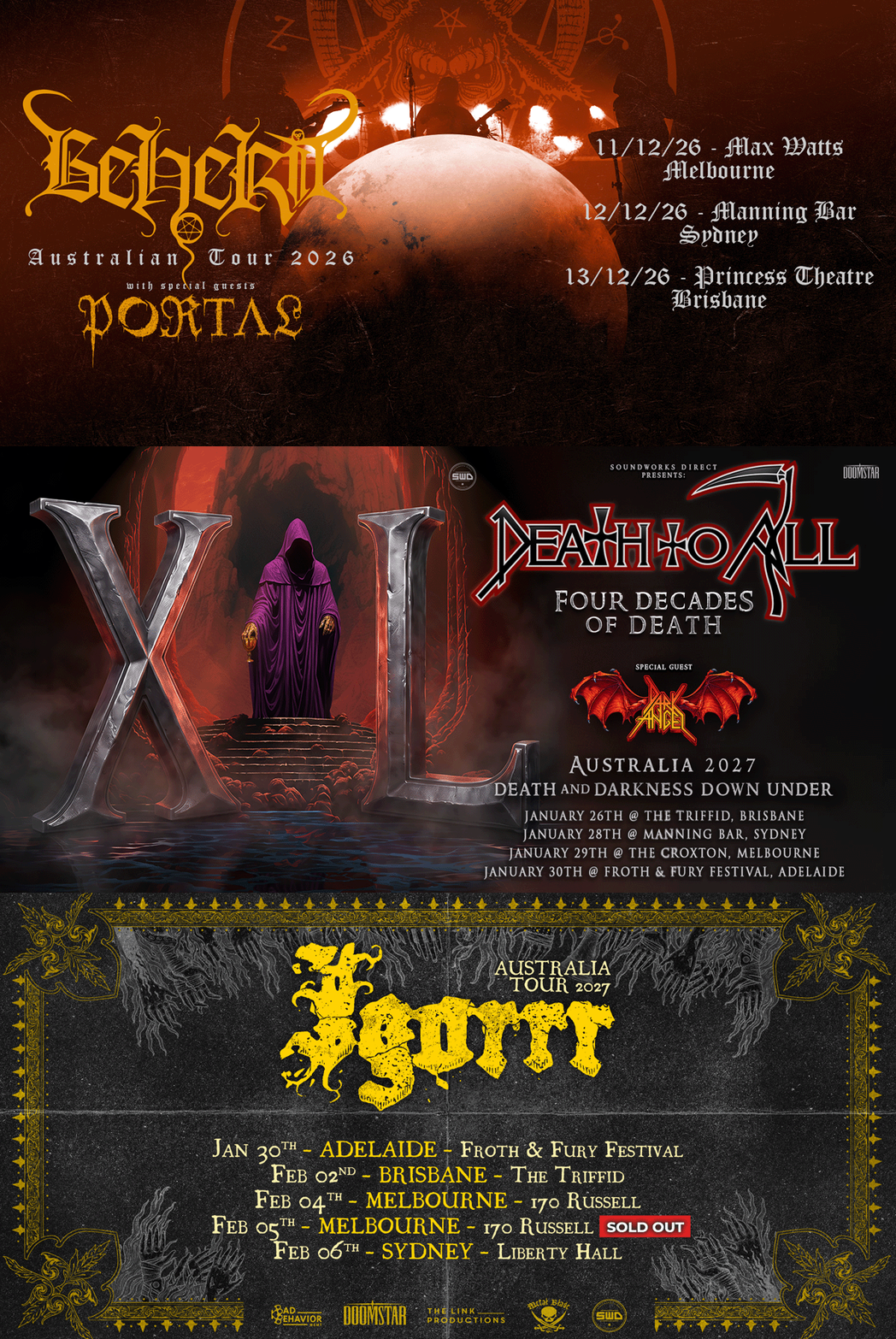
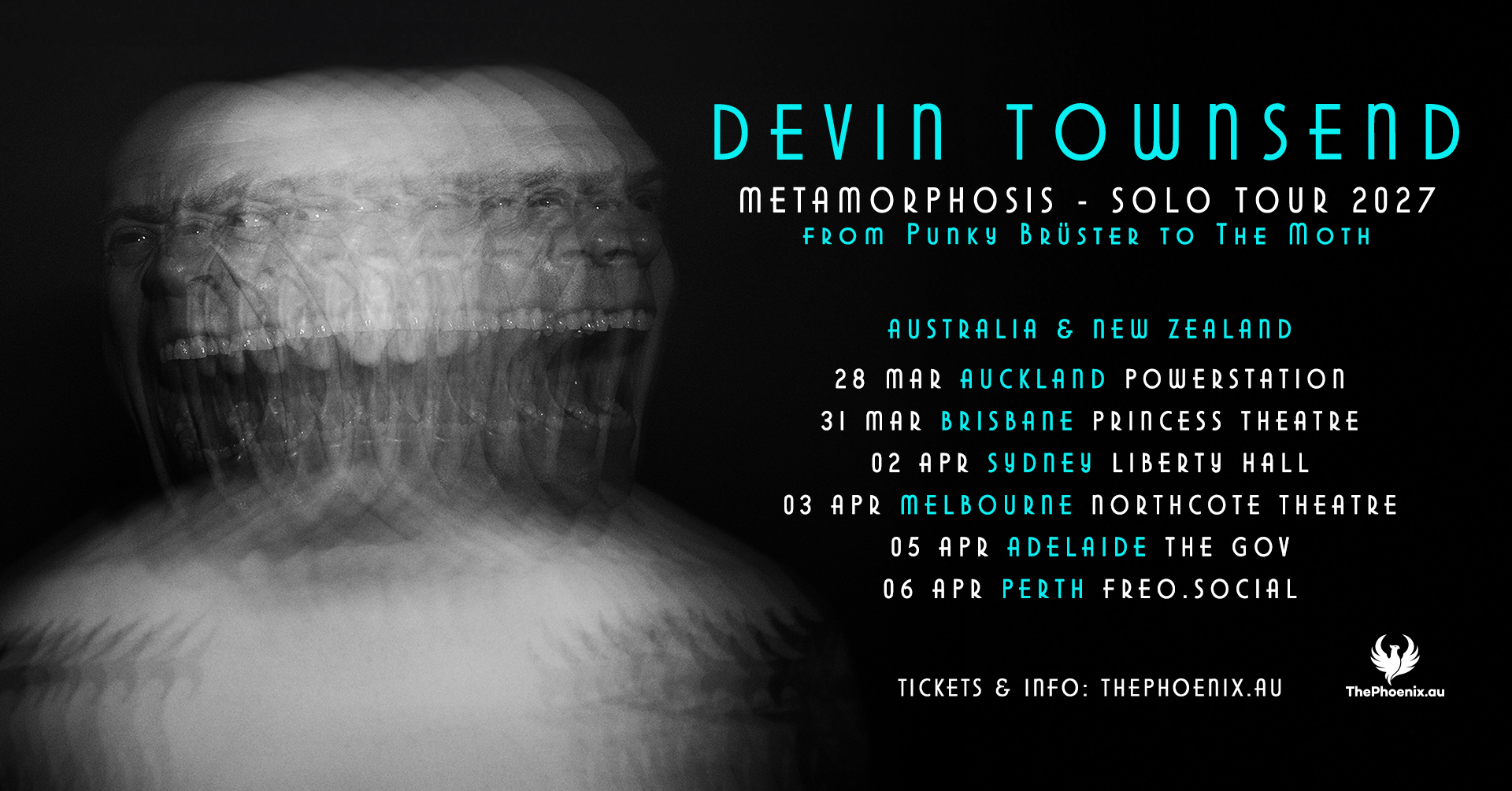
Rick Beato suggested that streaming services may have started adding their own AI-generated music because, while they only receive a share of the revenue from real artists, they could keep every penny generated by music they own themselves. Whether or not that proves to be true, it feels like the logical end point of convenience: music with no musicians, created for listeners who no longer expect to own it. The hits from these AI-artists are already carving out a share of the revenue pie. The impact of all this convenience is a remortgage-inducing increase in the cost of gigs and T-shirts. We can all see it. Festival food and drink costs the price of a small car in 1998. Sure, you can buy your ticket online from the comfort of your bedroom, and possibly even set up a payment plan. Convenient? Absolutely. But every click removes another percentage of revenue from the artist, and that money has to be found from somewhere.
We all walk around listening to music on our phones. Random playlists introduce us to new bands quicker than we can develop a committed interest. All while we pay something like £10 per month. That is nothing compared to the price of an album. All the more alarming when you consider that cost delivers access to every album we’ve ever owned, or will ever want to. Our tastes change over time, and our preferred streaming service has the music to satisfy us. No need to get off the sofa or even look at our phone. Autoplay rolls on, learning from what we skip and what we keep, giving us what we desire at every moment. It couldn’t be more convenient, yet we’ve never been further removed from owning the music we listen to or the community that once surrounded it. Can we do anything? Can we commit to premium subscription services, buying merchandise, purchasing the occasional album, or making direct donations? The current cost of convenience is a dwindling supply of exceptional new music and the slow decline of established bands. AC/DC can’t go on forever. And the next big thing is drowning in a deluge of the ordinary
Over the last 40 years we’ve gone from a paucity of quality music, controlled by big business, to an impoverished abundance of quality music, overwhelming our ability to choose the best. In solving one problem, we’ve created another. We’ve exchanged ownership for access, community for convenience, and long-term support for effortless consumption. The record labels of the 60s and 70s have died while new industry giants were born to take their place. These global sellers are collecting money at such a scale their profits are unprecedented while the new bands that make the future possible struggle to survive. Every penny or dime you didn’t spend on the click of the next track or the convenience of autoplay doesn’t disappear. It simply finds its way into rising ticket prices, expensive merchandise and richer, more powerful platforms. Convenience was never free.
We just stopped noticing who was paying the bill…
Metal Breakdown is a monthly forum for Daryl Soar to explore and highlight things he considers an important part of today’s music scene. Thoughts and opinions expressed are those of Daryl’s and told purely from his perspective.