

Words by Annette Geneva
Photos by Pete Mellows
It is wonderfully strange walking into a Bodyjar show in 2026 and realising you have somehow entered a room containing two completely different generations of punk fans.
The night kicked off with local supports Harrow, Backyard Business and Knife Hands, before Bodyjar took the stage for a set celebrating 25 years of How It Works. An album that cemented Bodyjar as one of Australia’s great punk bands.
Harrow opened the night with a raw, scrappy set that immediately put the room in the right place for what was coming. Their setlist moved through tracks including Asbestos Milat, Cut Corners, Neckties, Lucky, and Silver Spoon, all off their only album – Something Interrupt Us and there was a real DIY energy to the whole thing. They weren’t trying to overcomplicate it, just getting up there and making a proper racket. It felt like exactly the kind of local support you want on a bill like this, setting the tone before Backyard Business and Knife Hands took things further.
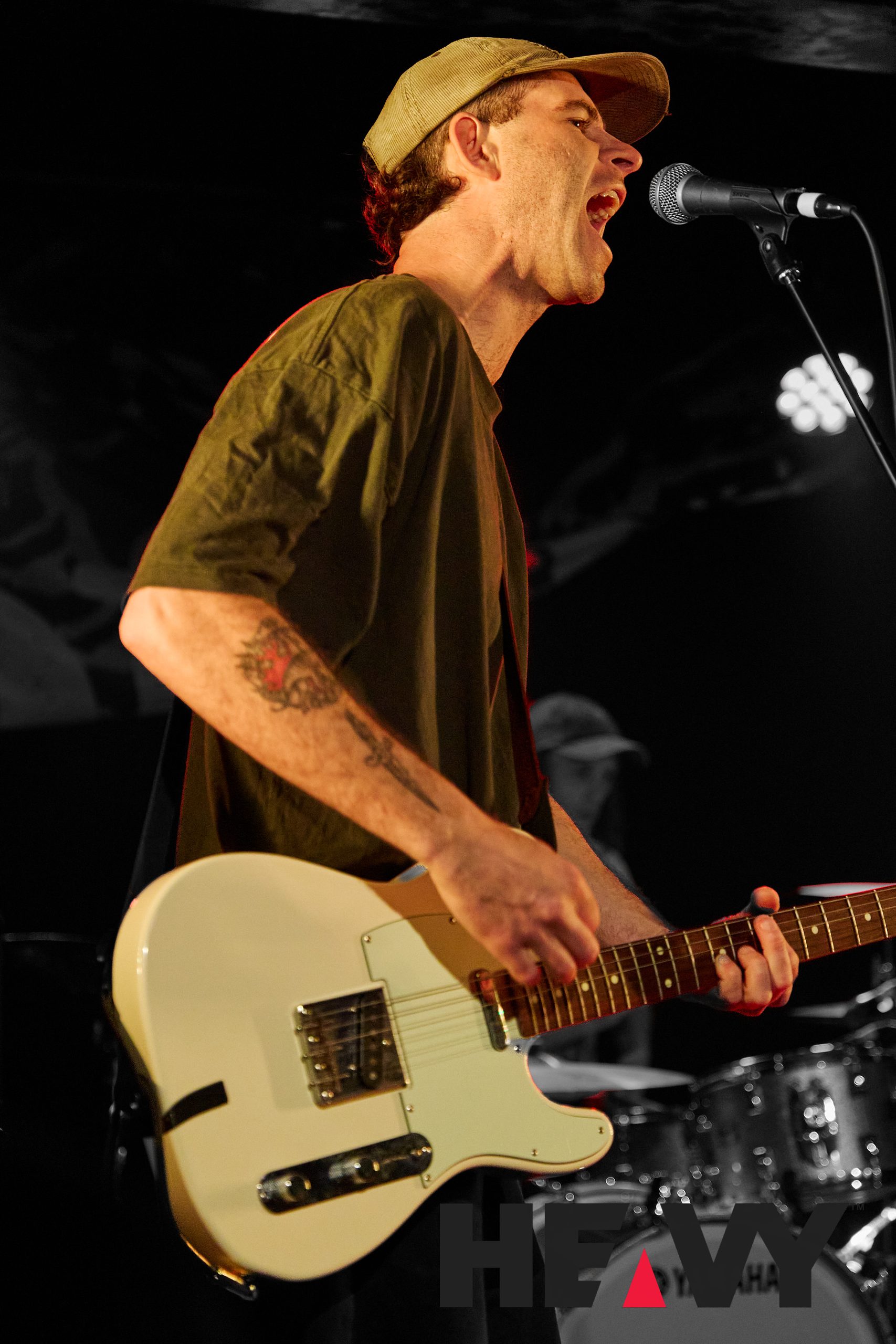
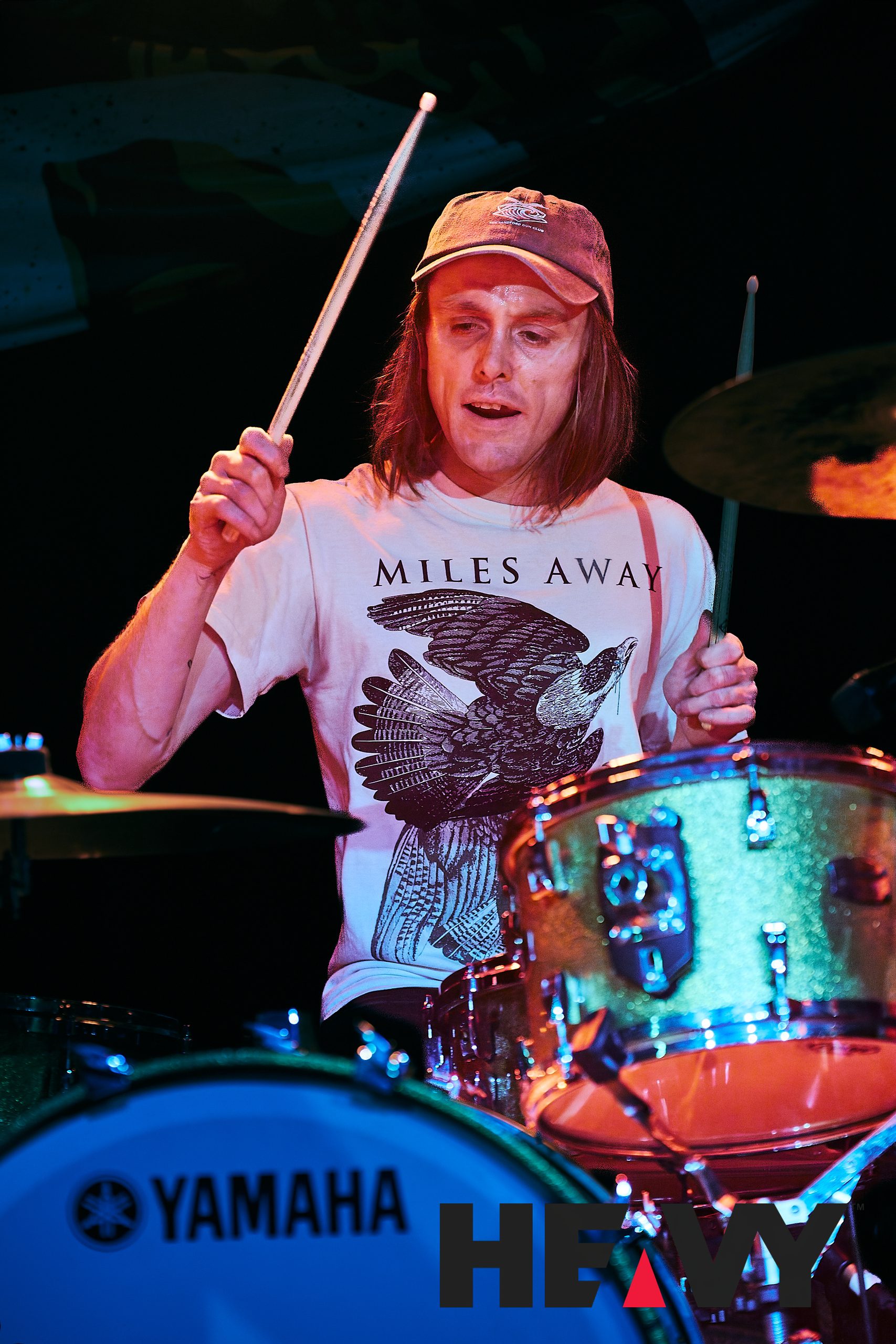
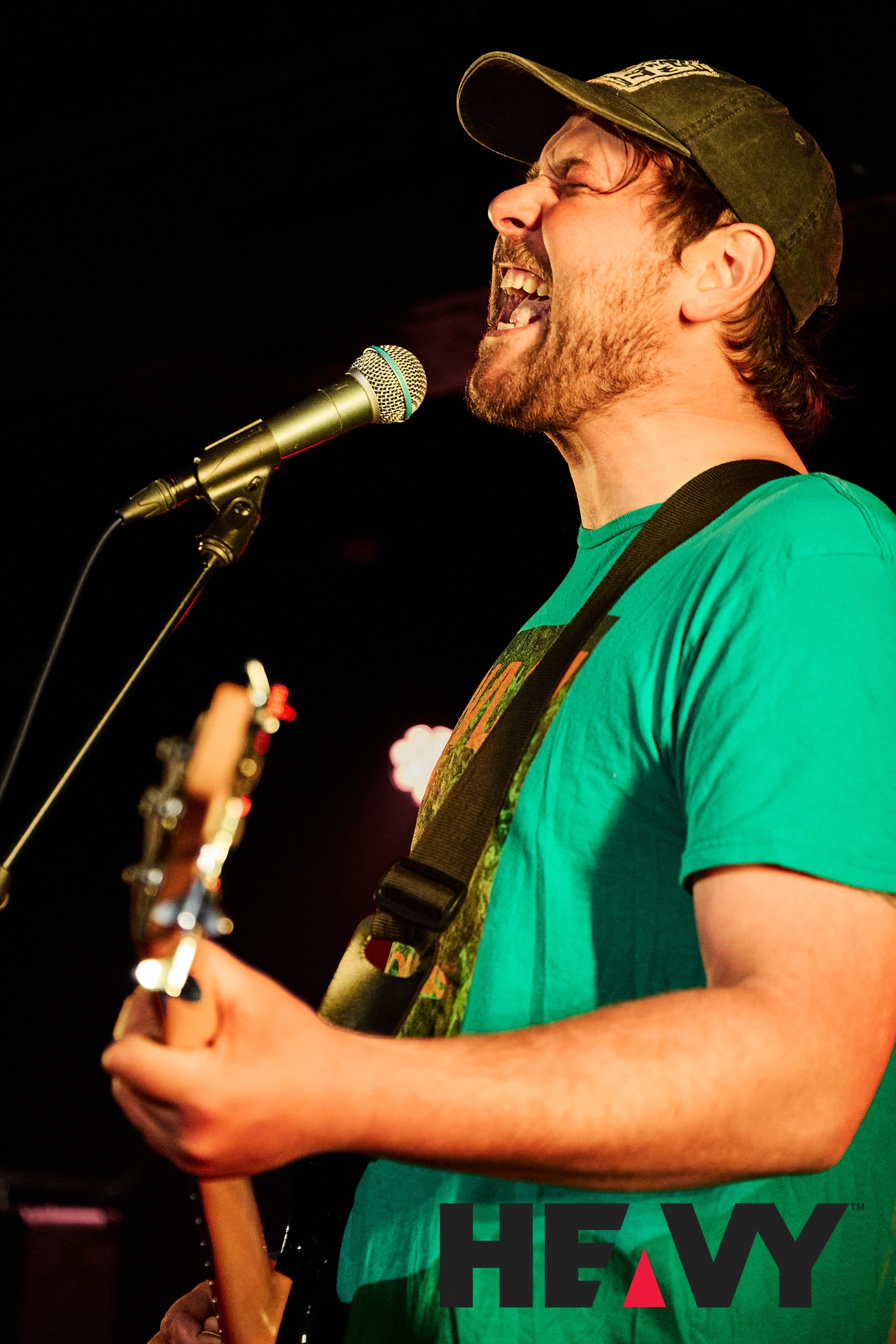
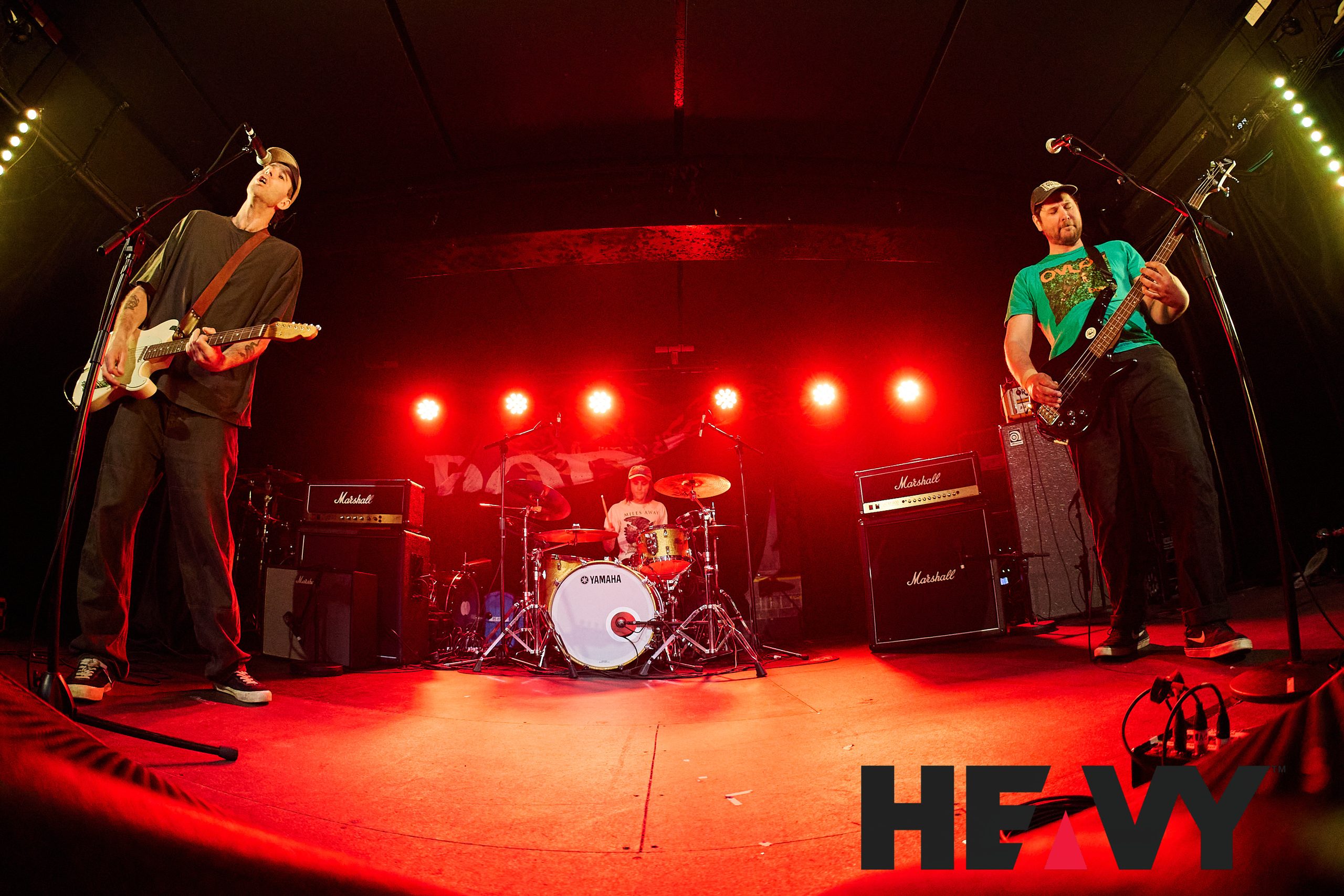
Backyard Business came next, a young Launceston outfit who are still very much finding their feet, but starting to look increasingly comfortable on bigger stages. They’ve built their reputation through local shows, festival appearances and a growing run of support slots, with their indie-rock sound built around catchy melodies, big riffs and plenty of energy. There’s a slightly scrappy quality to them that works in their favour. They’re not pretending they’ve got everything figured out yet, and that made the set feel fresh rather than overly polished. They also slipped in a cover of Violent Soho’s Covered in Chrome, which went down particularly well. Their own songs, including Blockie Races and Hell, showed a band beginning to carve out its own identity, and you get the feeling Backyard Business are only a few more shows away from clicking into place.
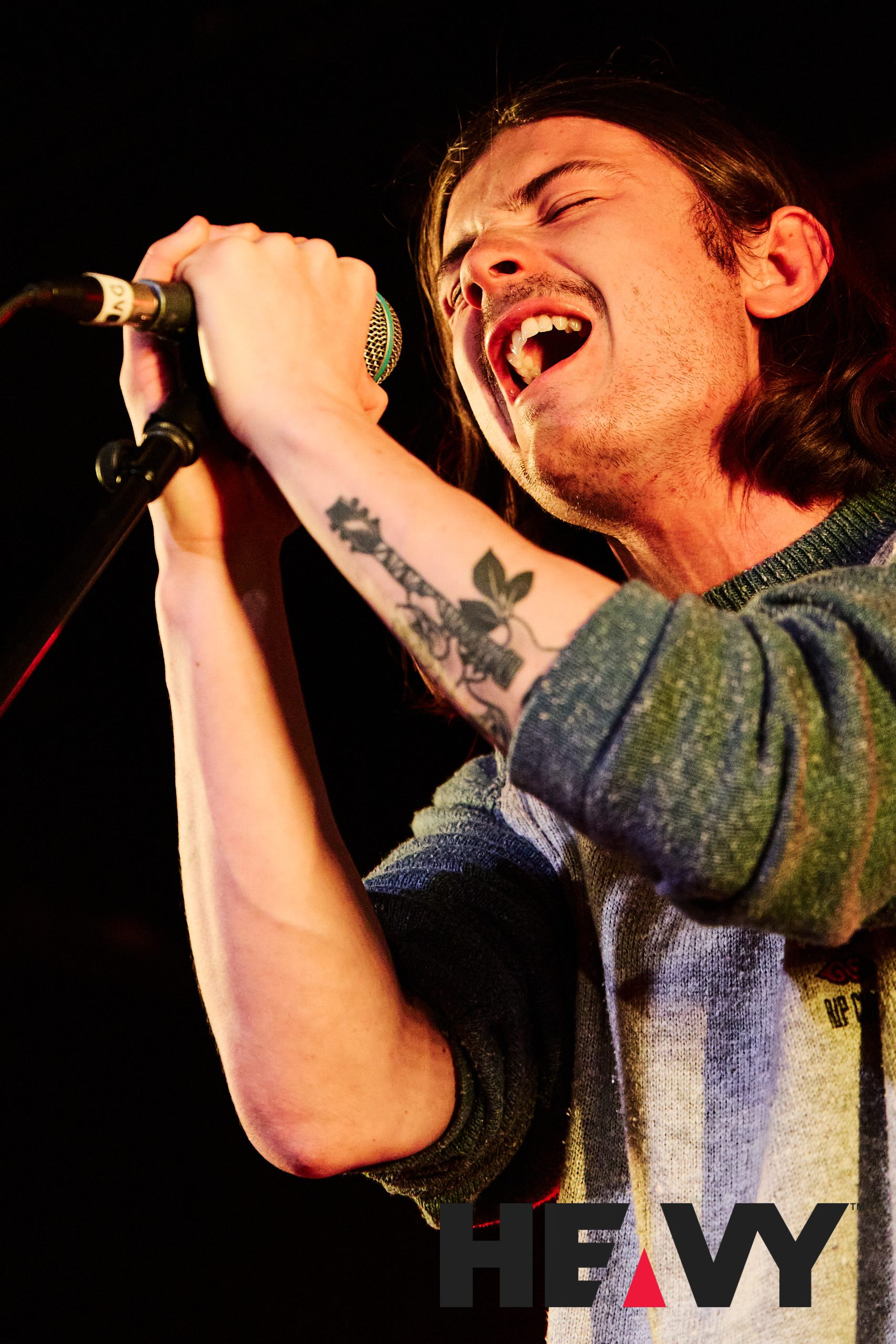
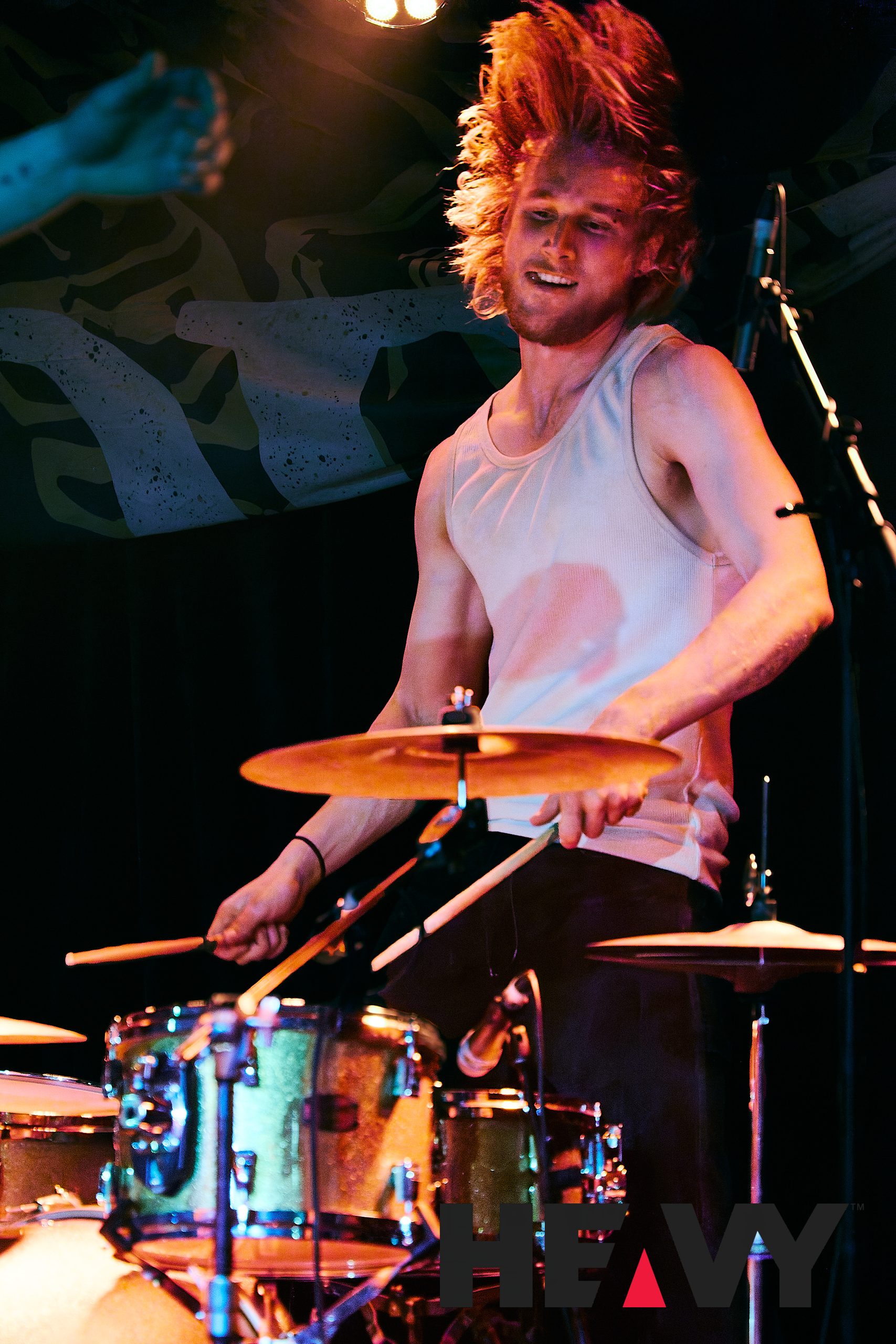
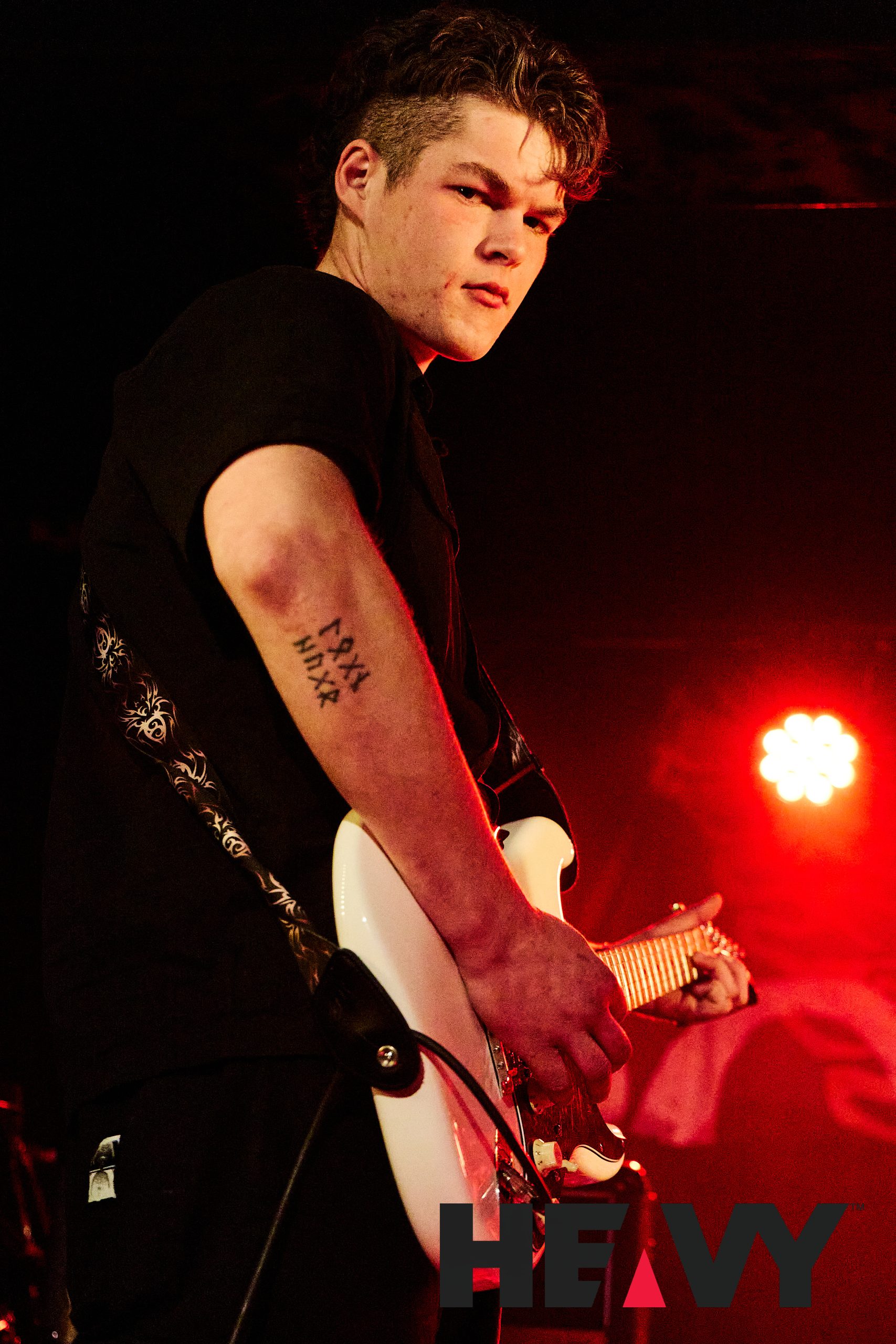
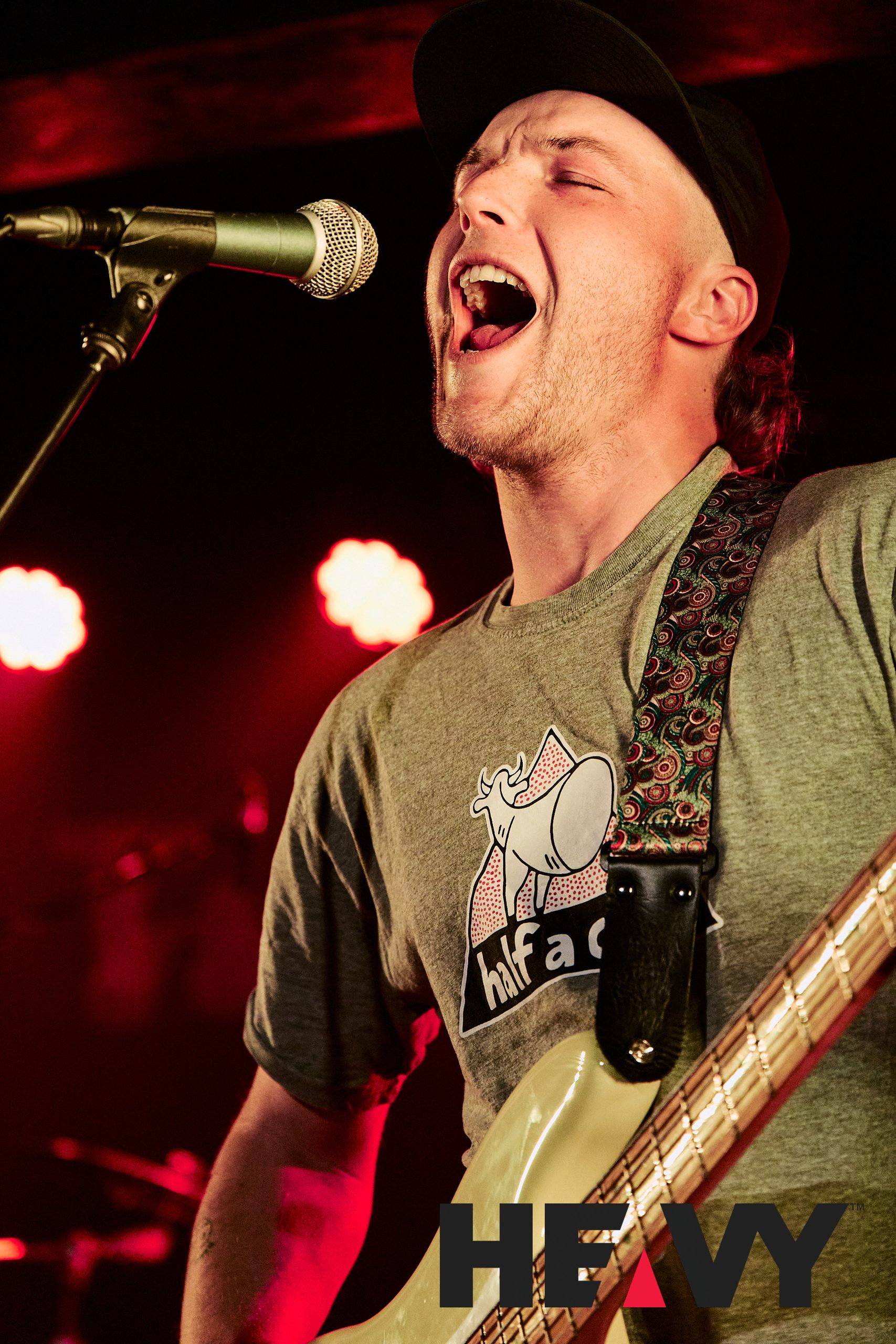
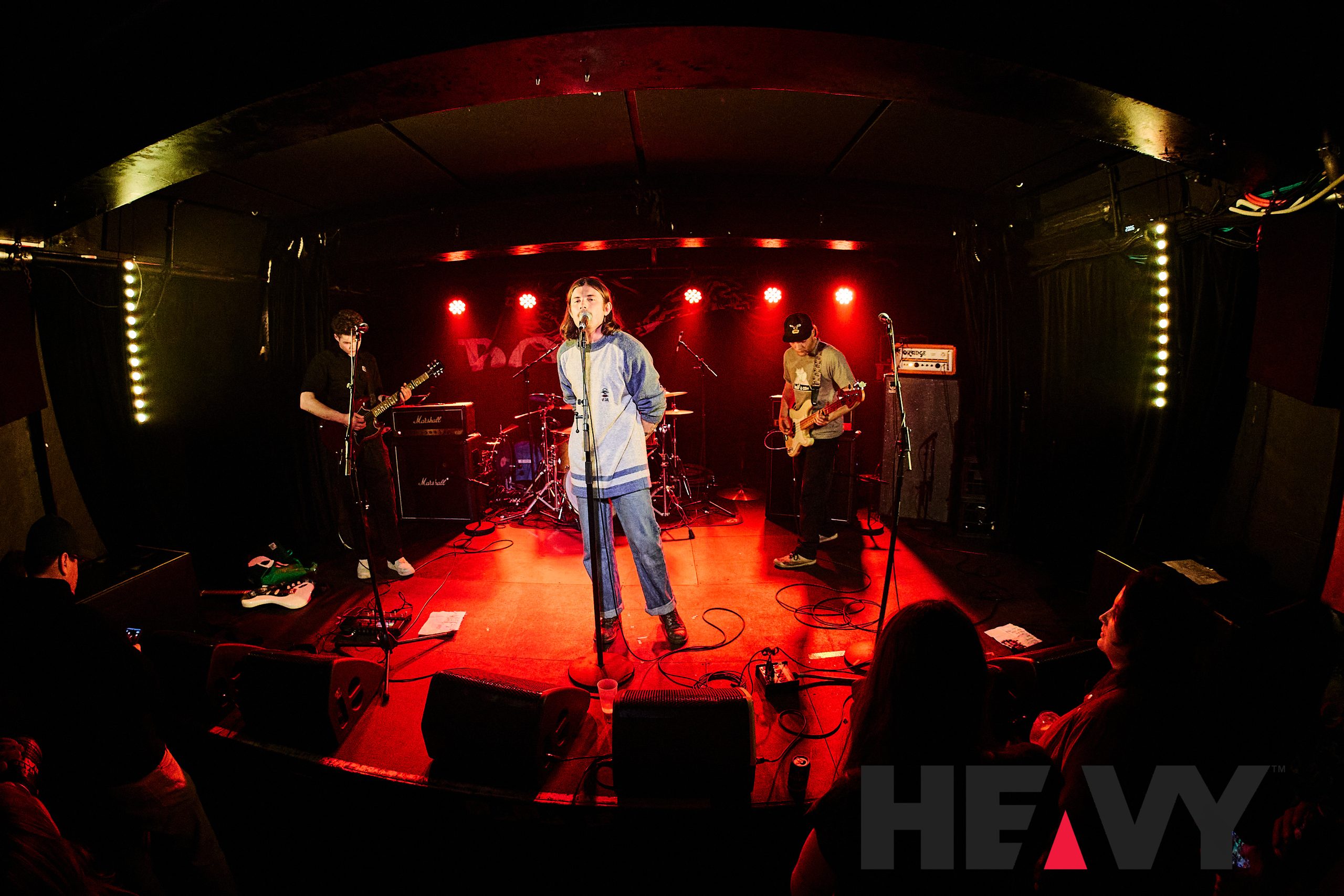
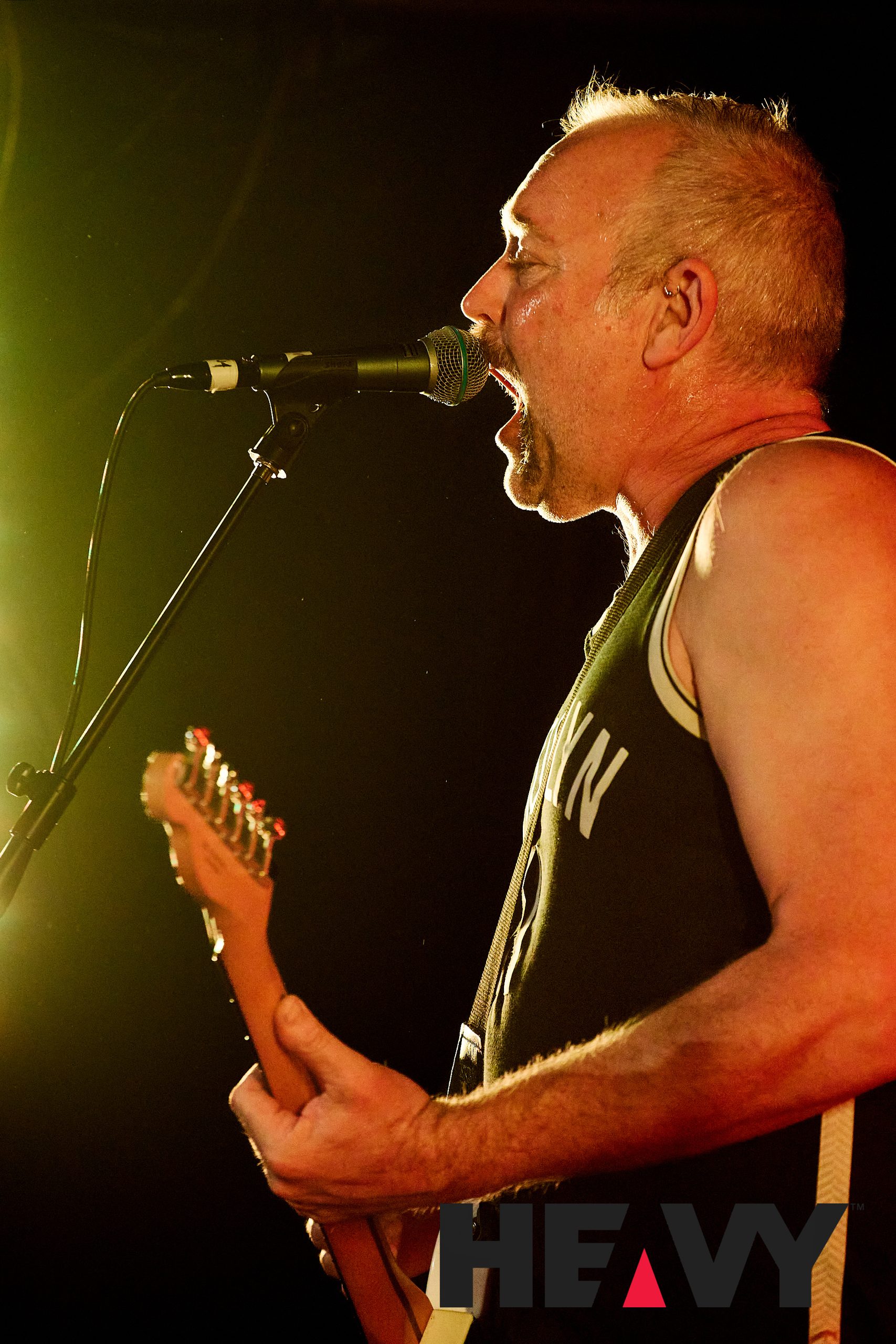
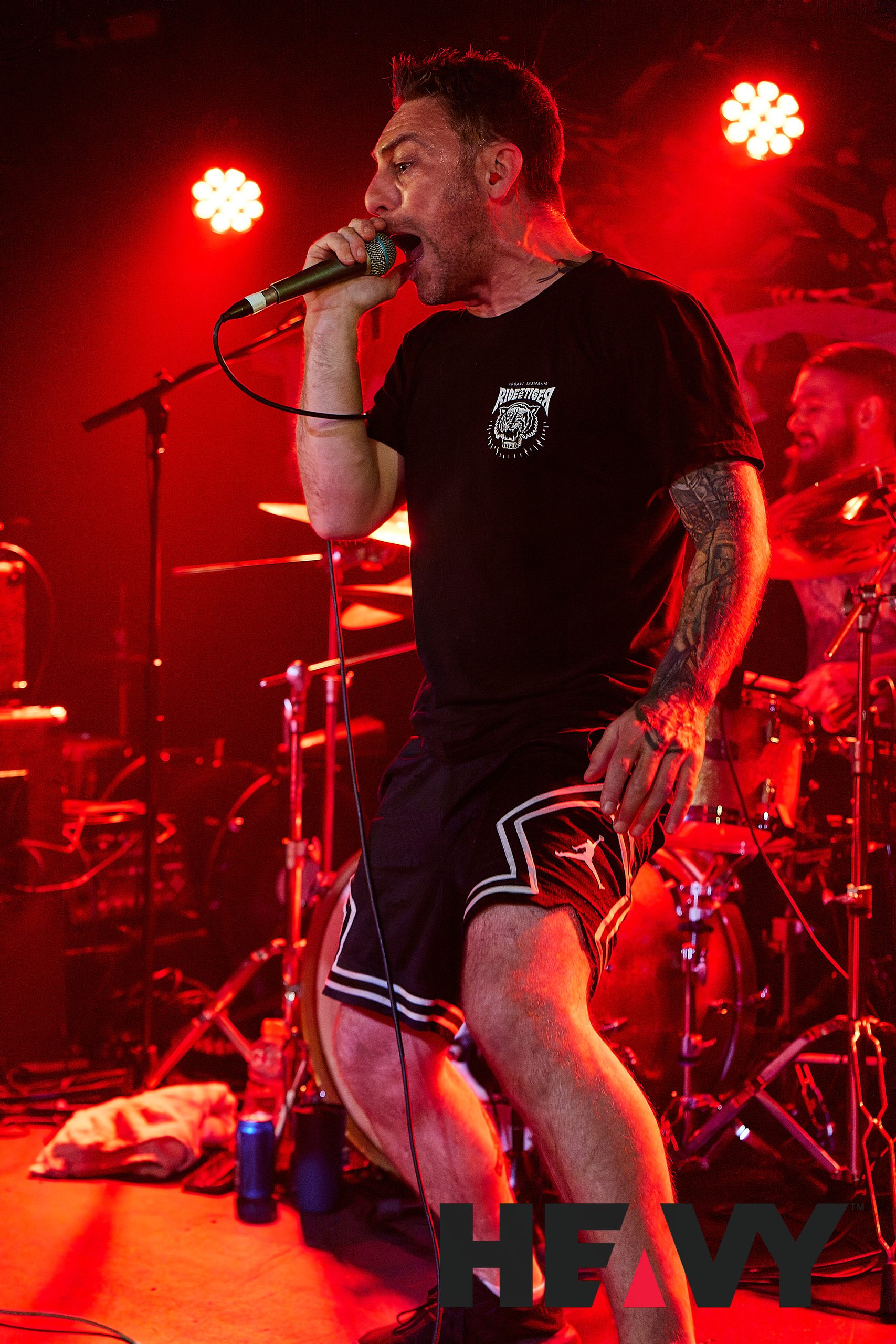
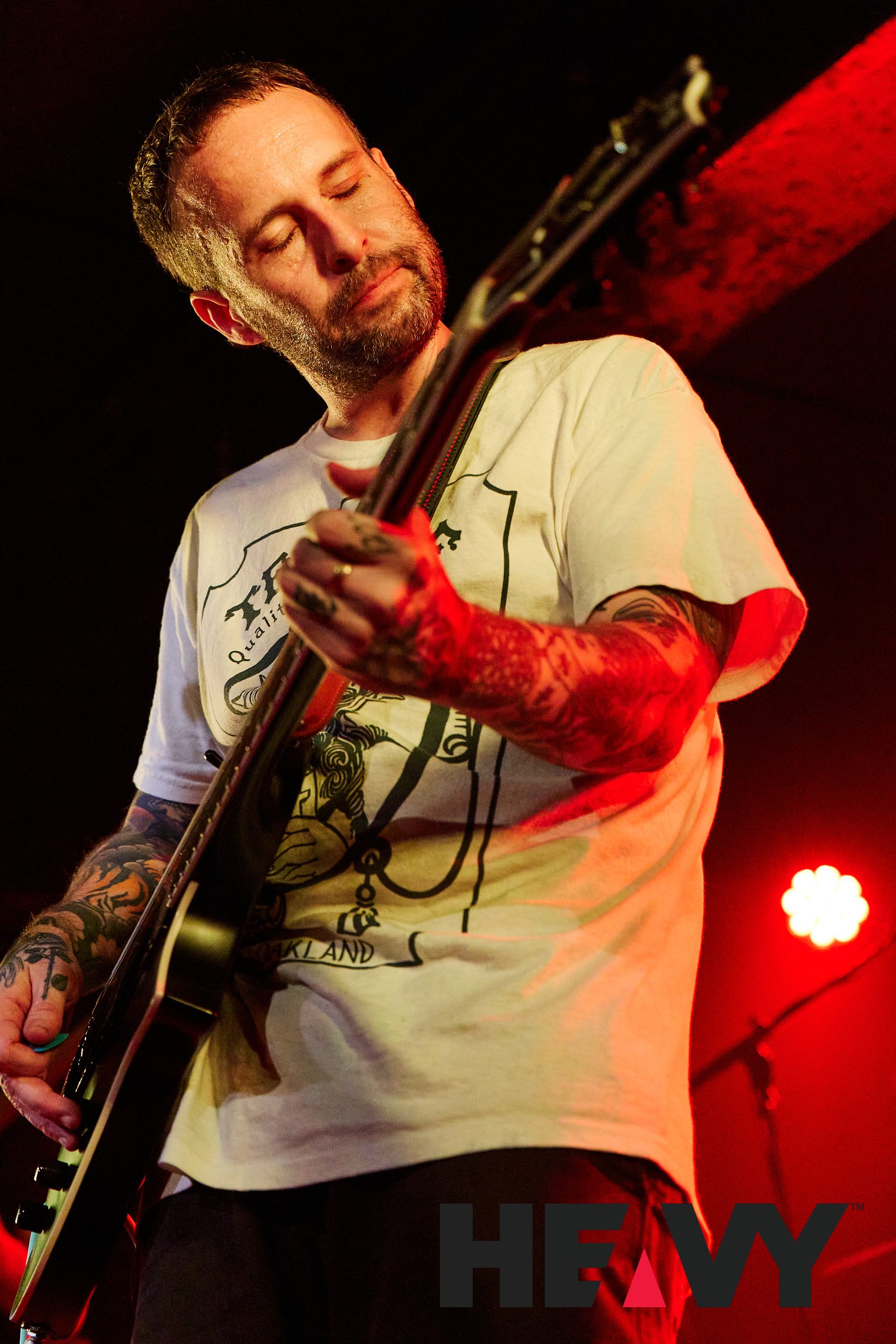
By the time Knife Hands took the stage, it was obvious a decent chunk of the room had come specifically to see them. They’ve been a fixture of the Hobart scene since 2013, and that familiarity showed in the crowd response. Their set moved through Revisionist Histories, Weave, Welcome to Hell, Car Crash, The Loudest Lie, The Waltz, Memories and Haunted City, giving the room a hefty dose of their melodic hardcore and punk. Their catalogue has that sweet spot between sharp guitars, big melodic hooks and enough weight to knock the air around – live it felt even bigger.
There was also a pretty perfect full-circle moment when the vocalist told the crowd he learnt to play guitar listening to Bodyjar on triple j as a teenager. Now he was standing onstage opening for the band that had been part of his musical education. Judging by the number of people already singing along, Knife Hands didn’t feel like a support act at all. For plenty of the room, they were one of the reasons to be there.
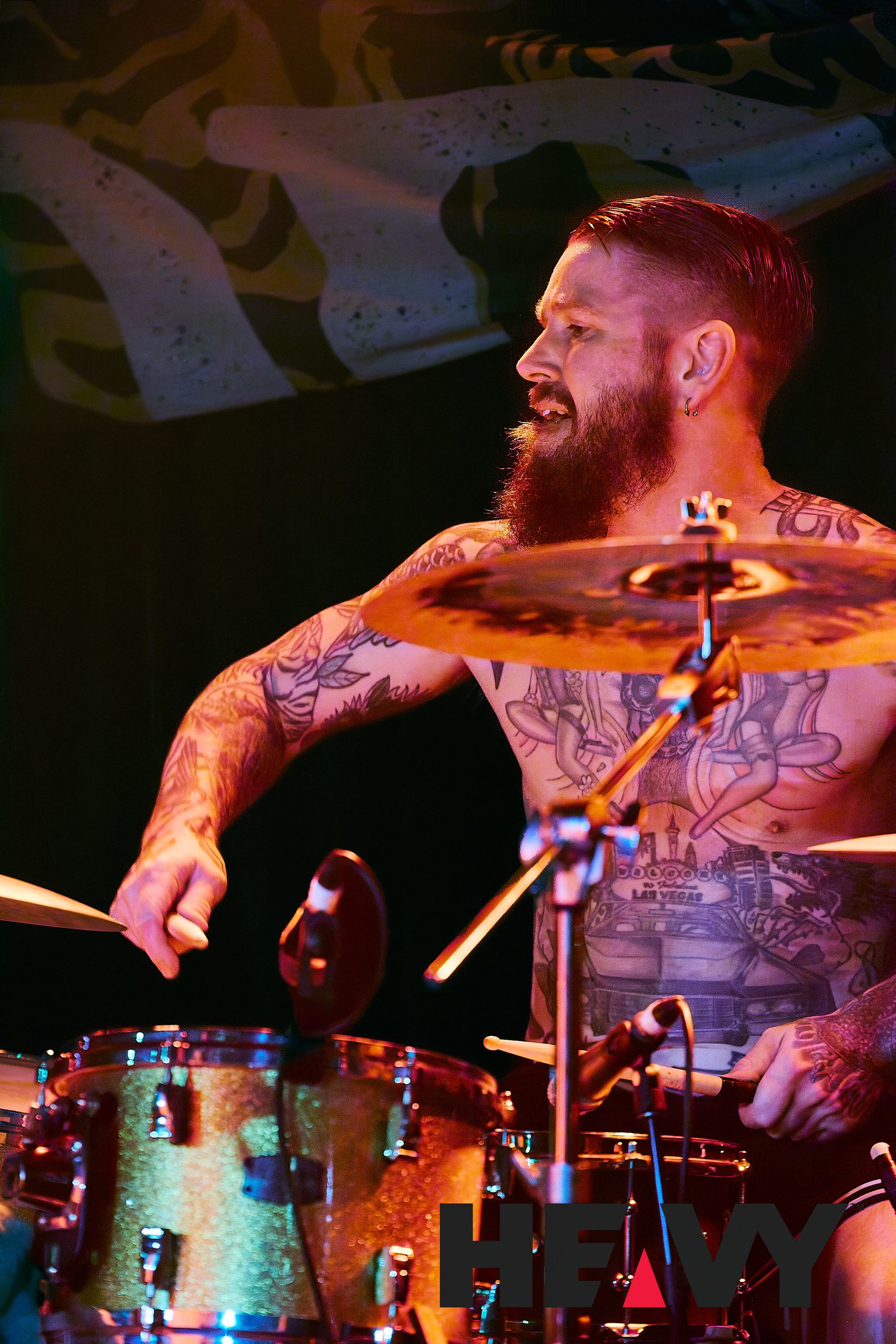
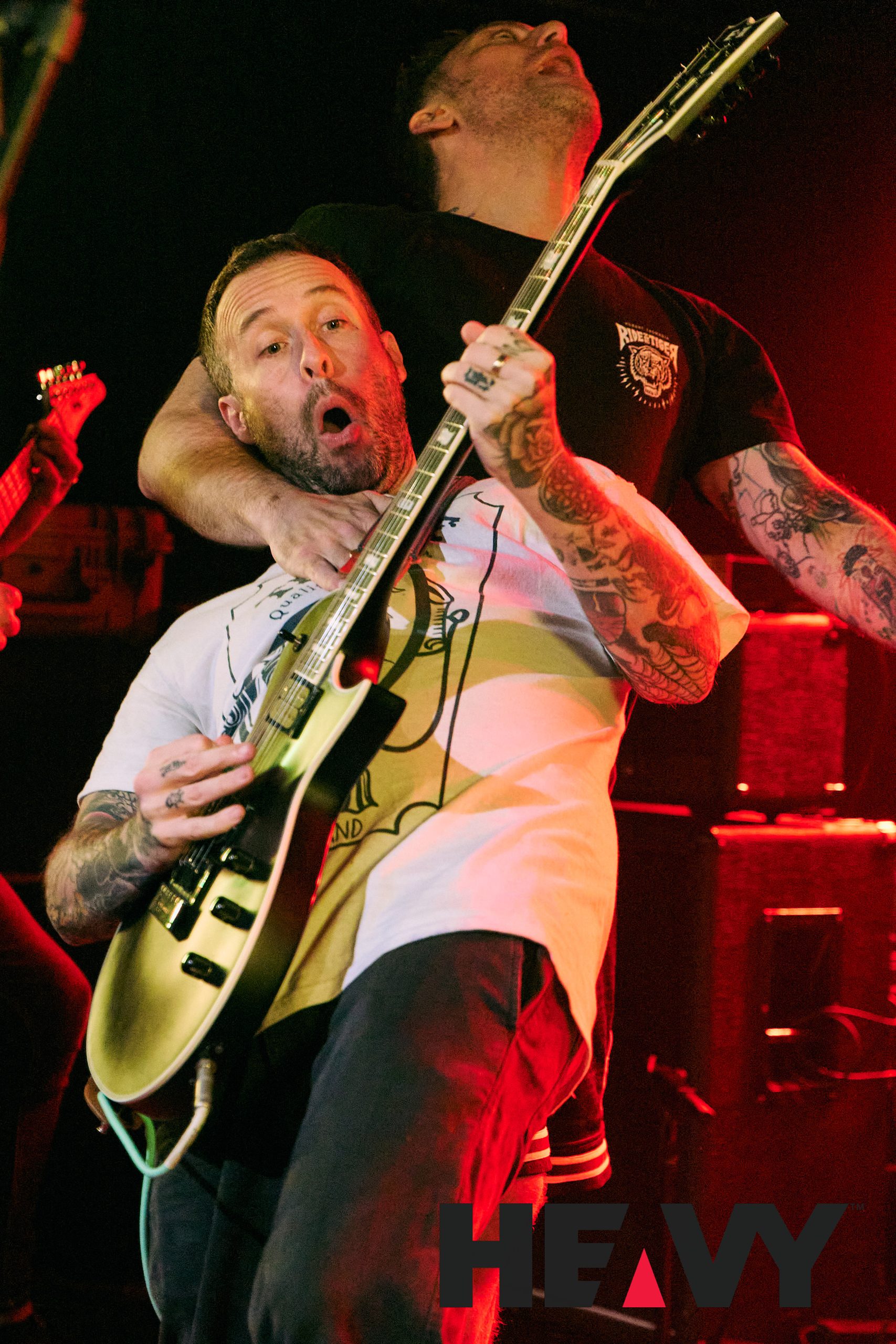
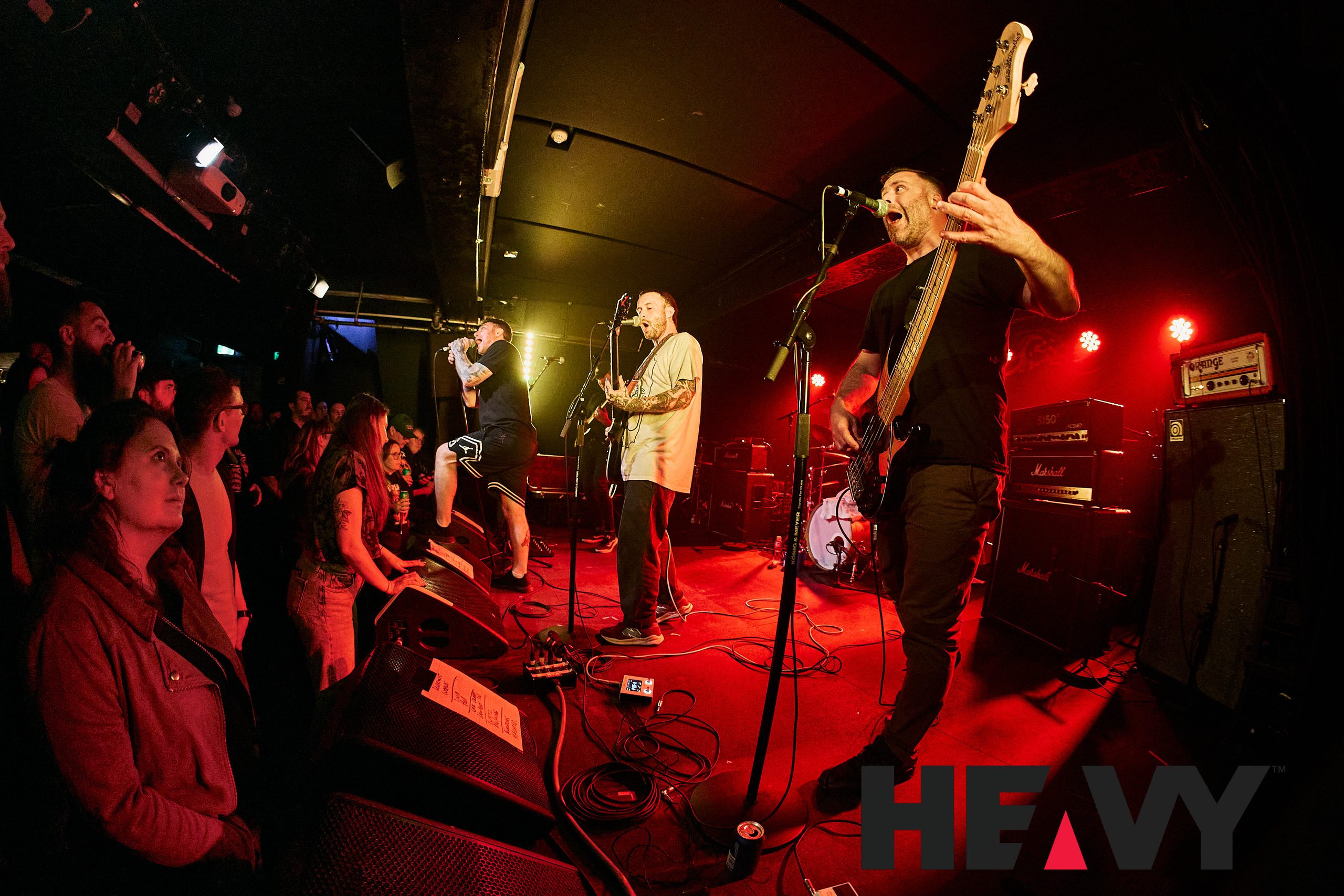
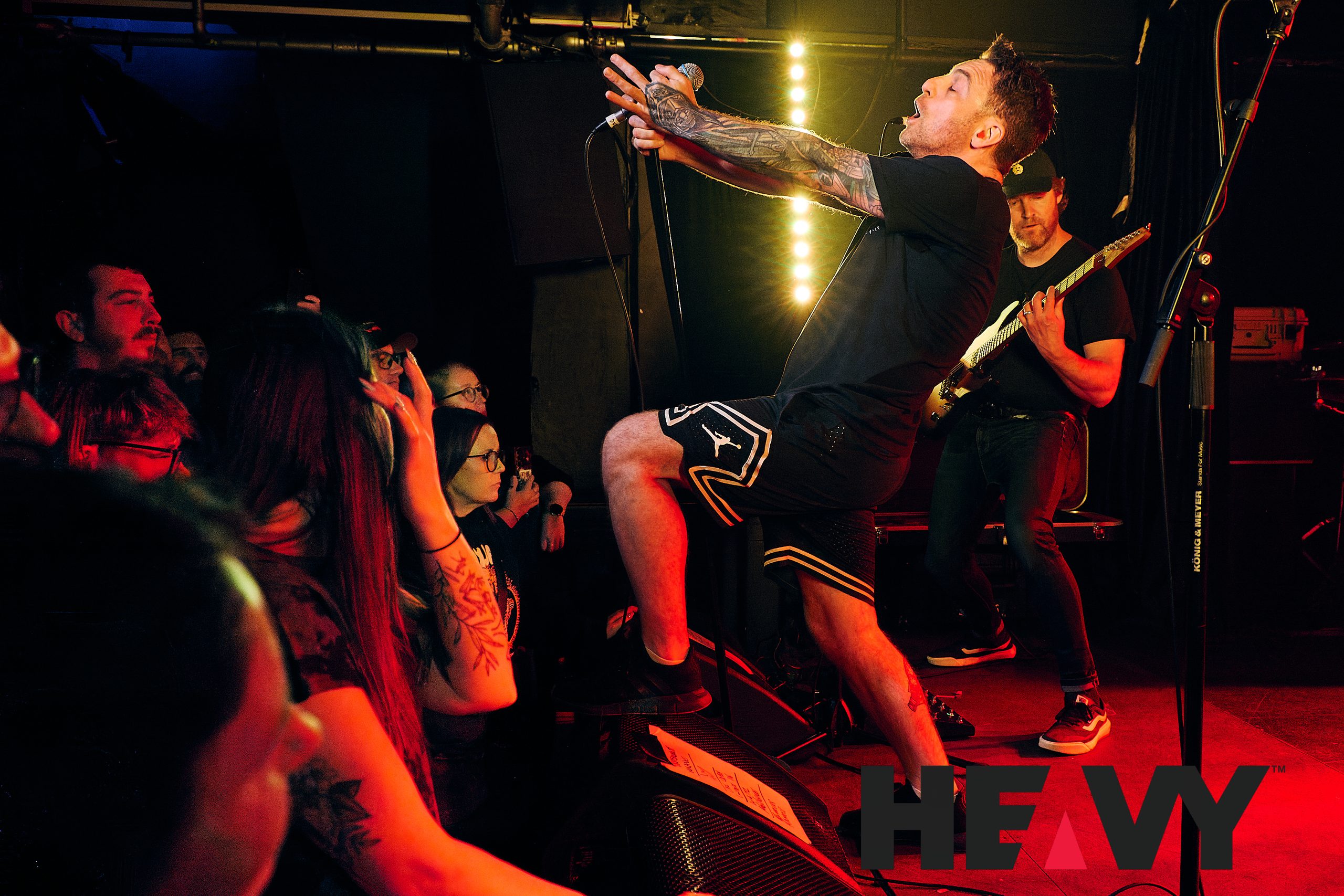
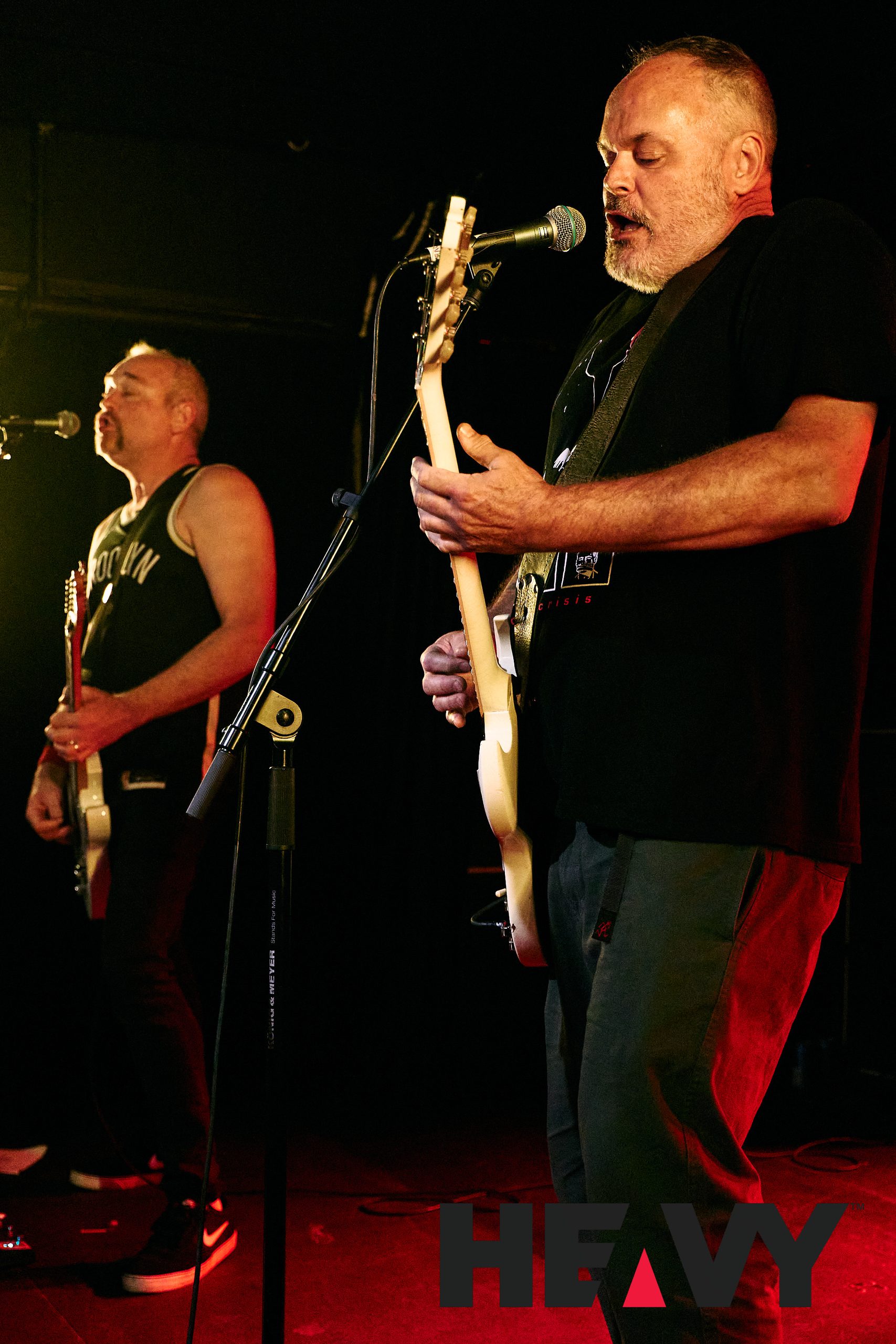
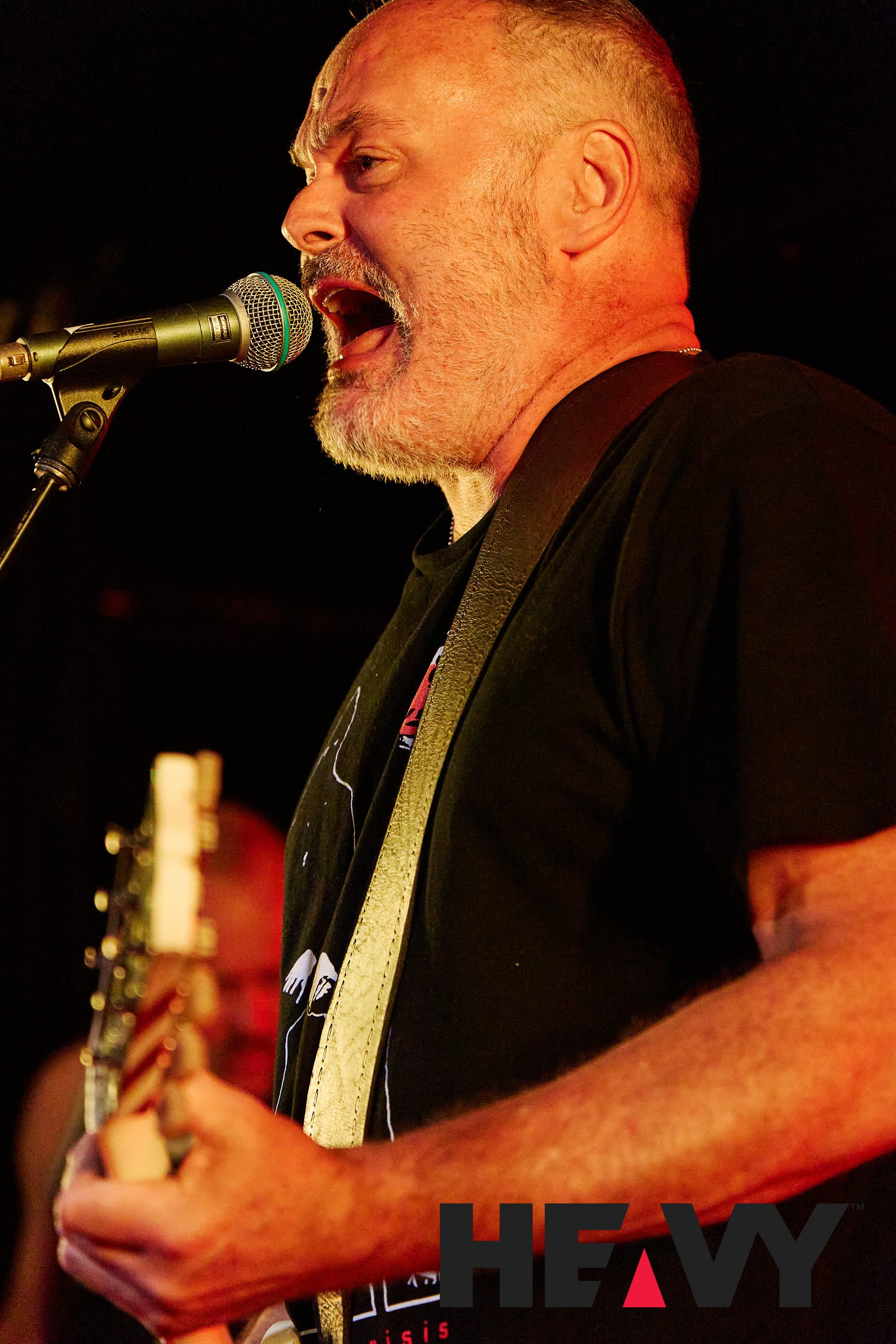
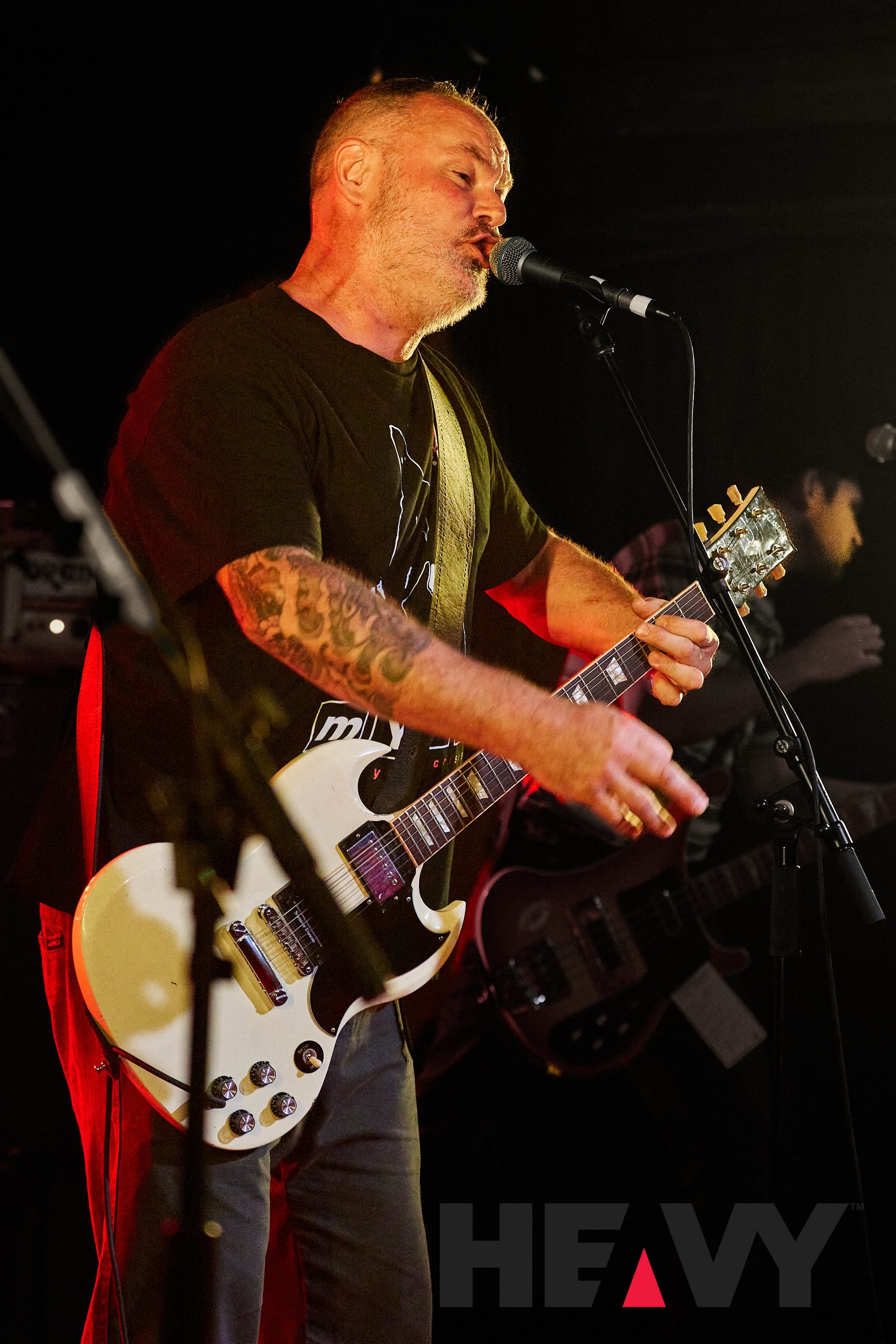
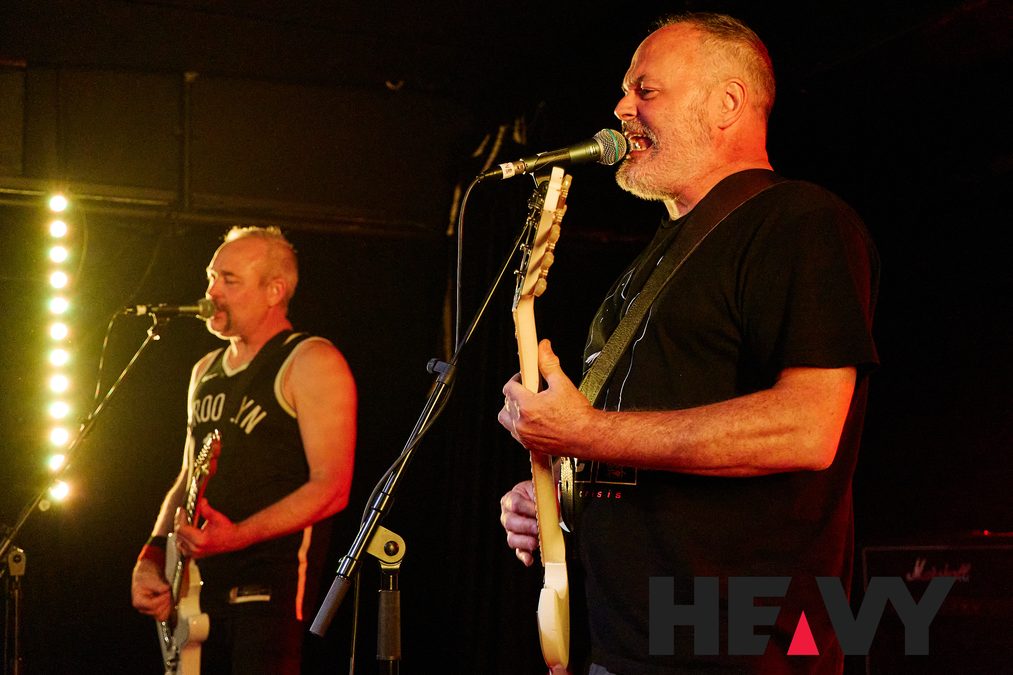
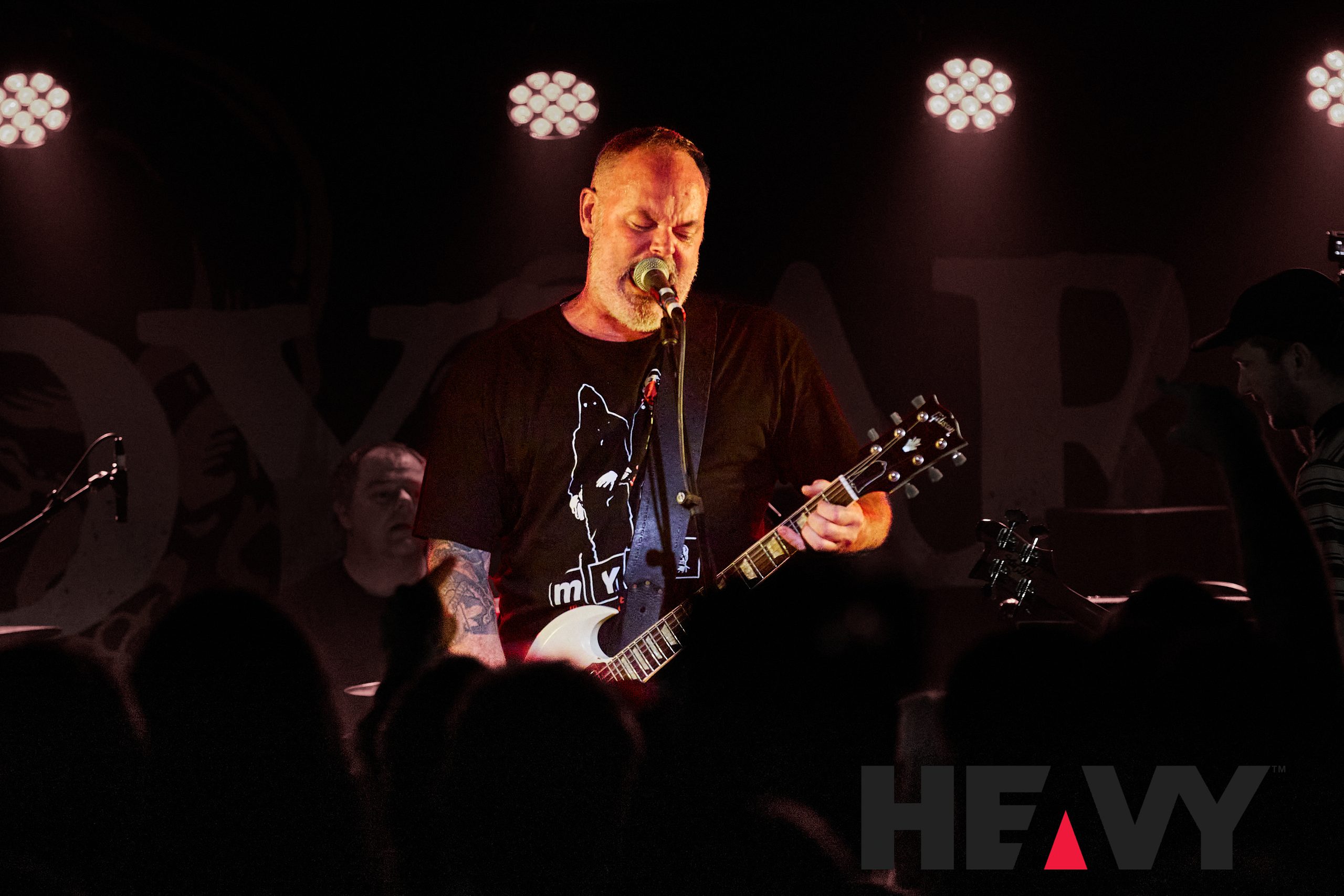
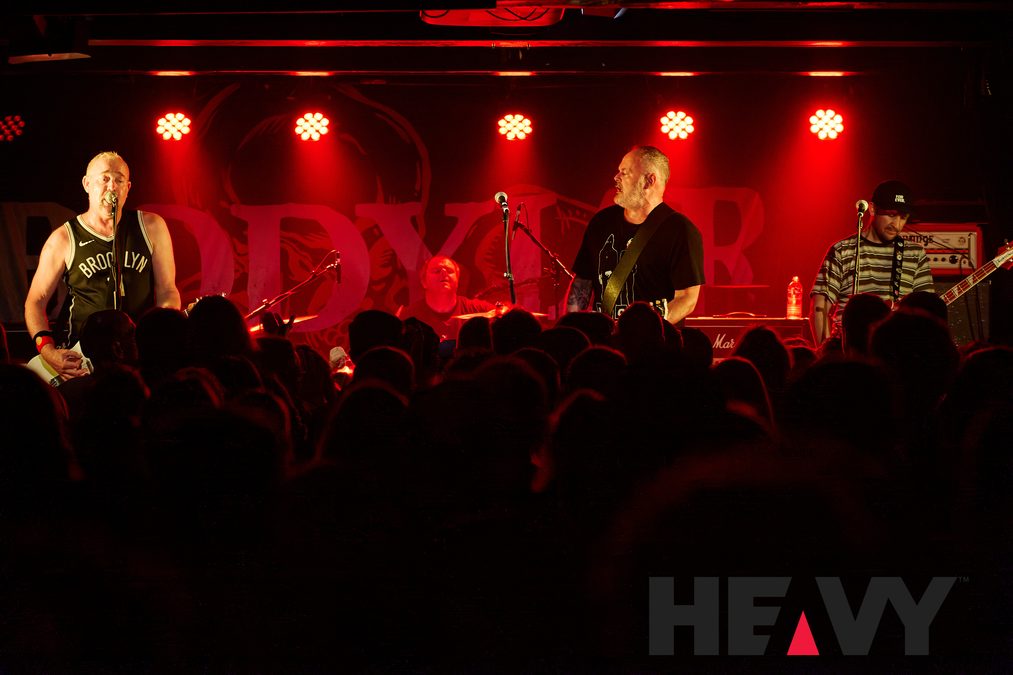
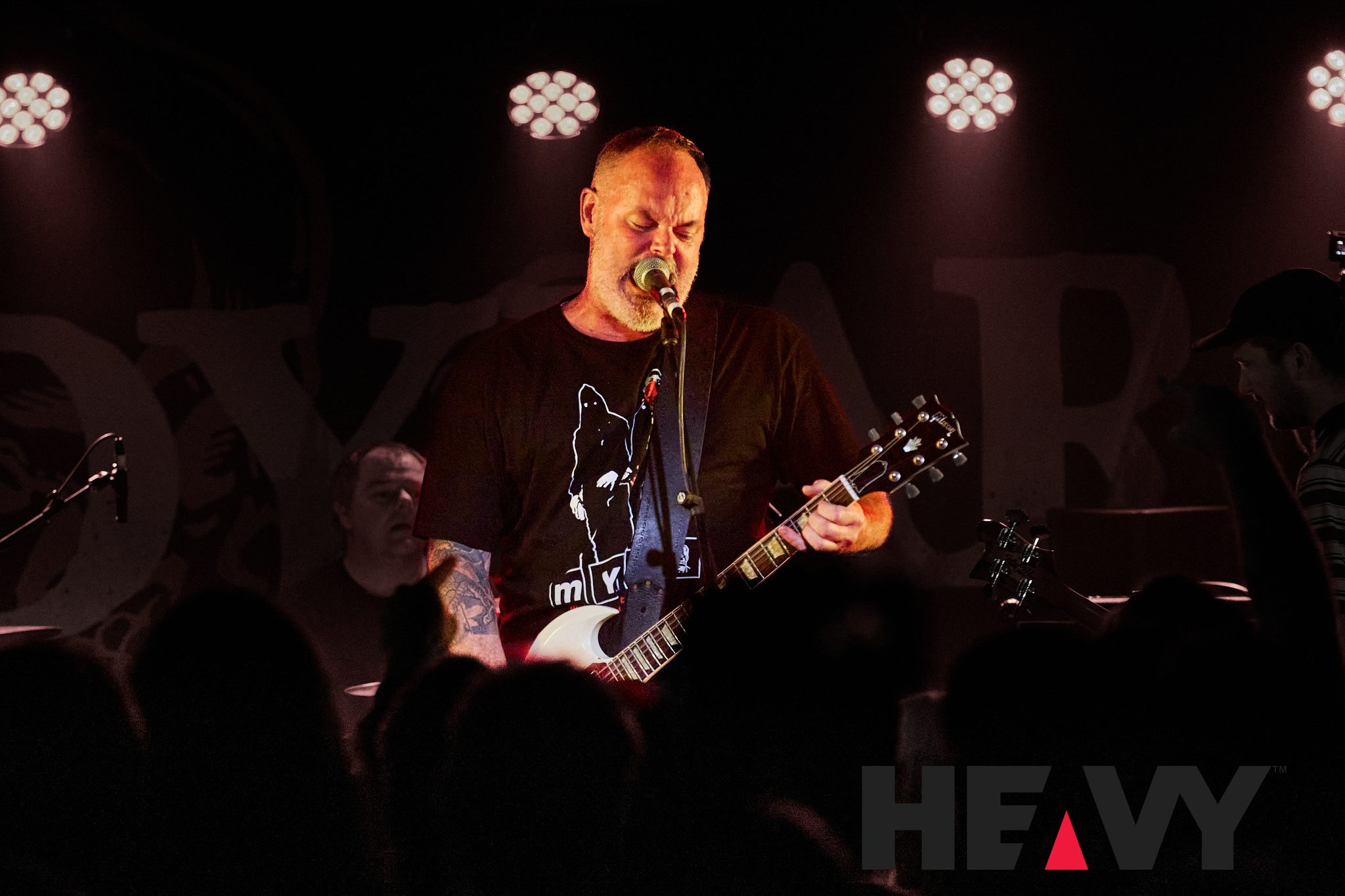
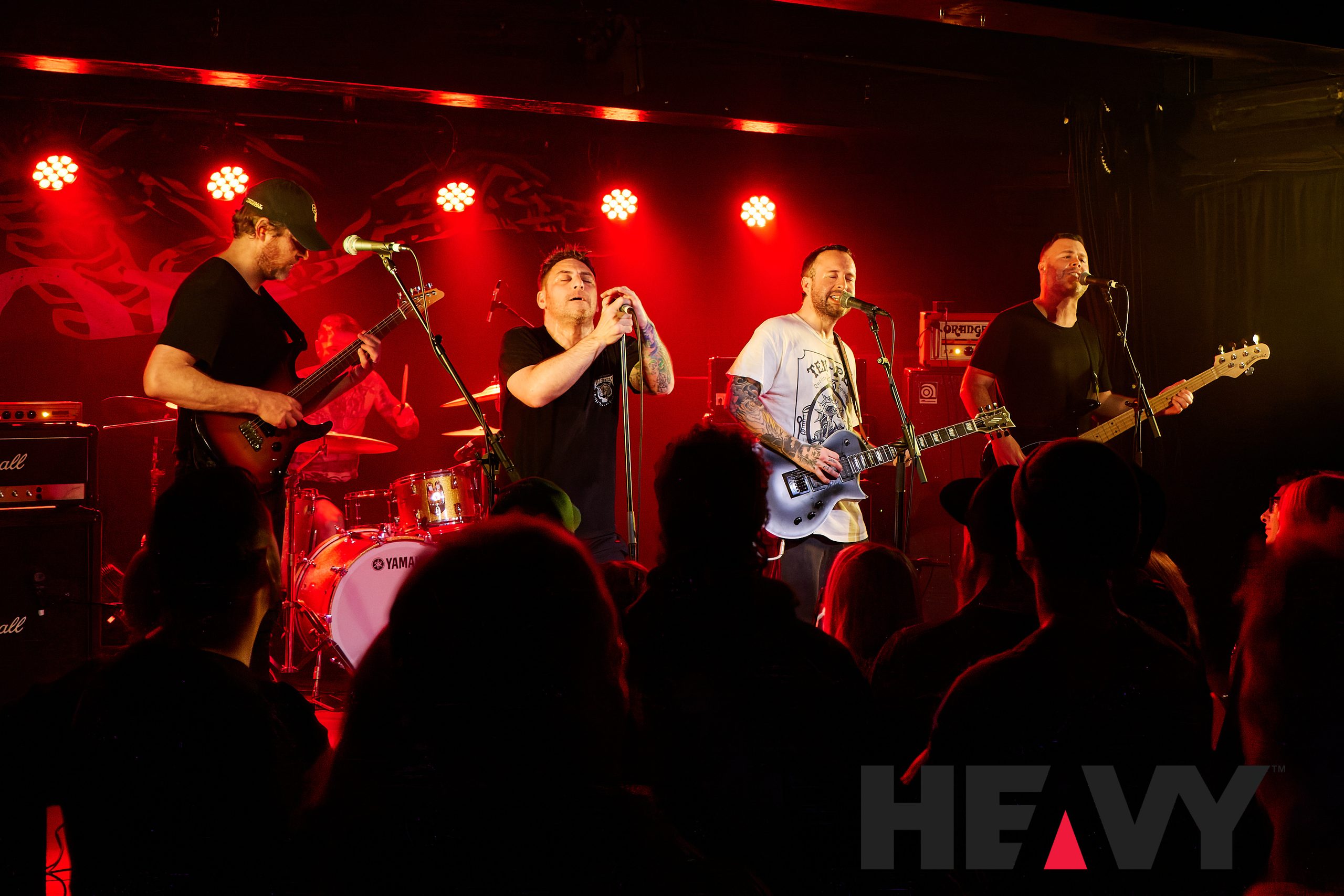
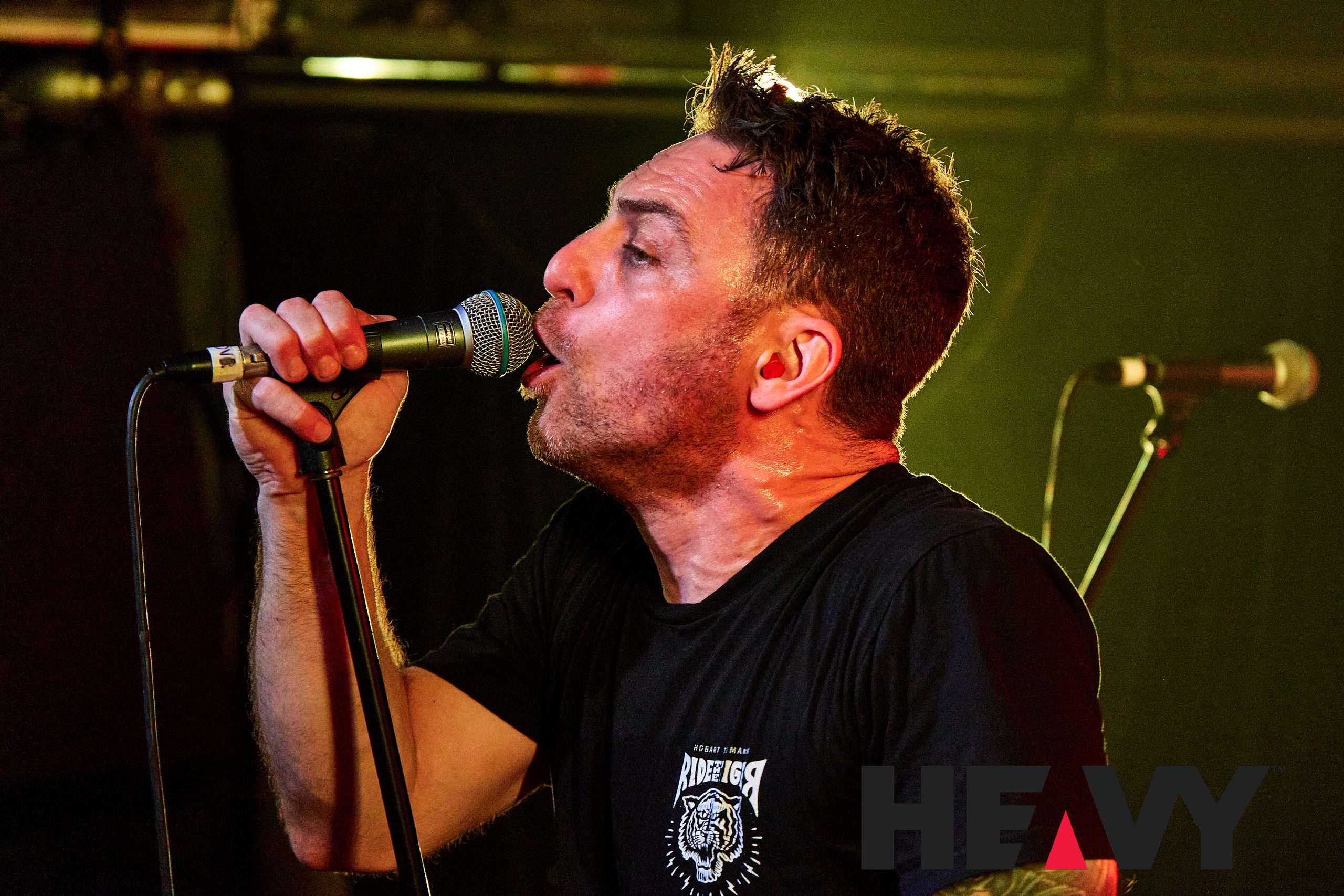
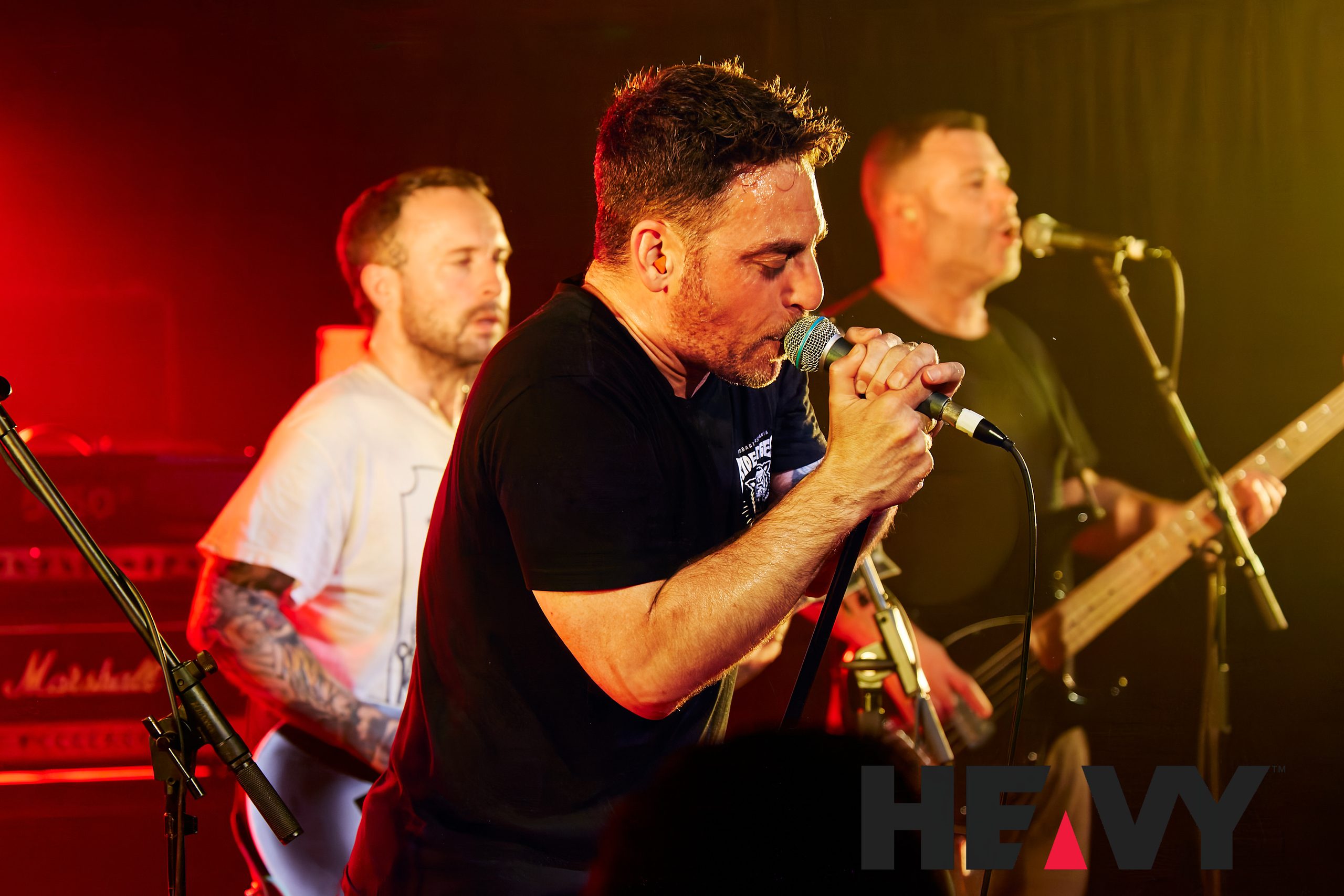
When Bodyjar finally took the stage, almost immediately, the distinction between audience and performer started to disappear.
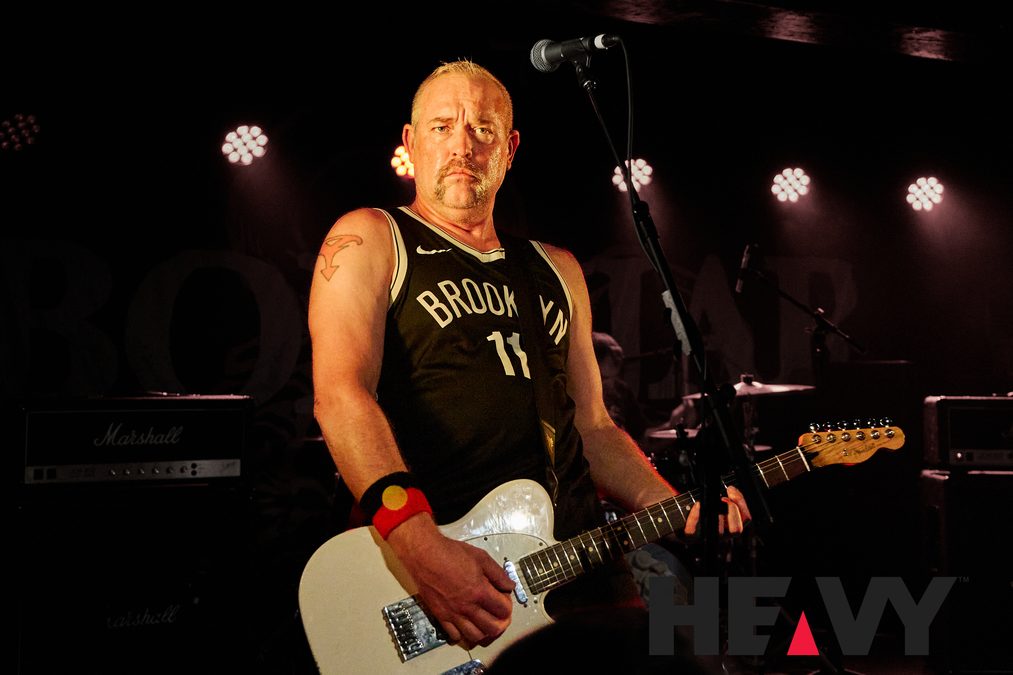
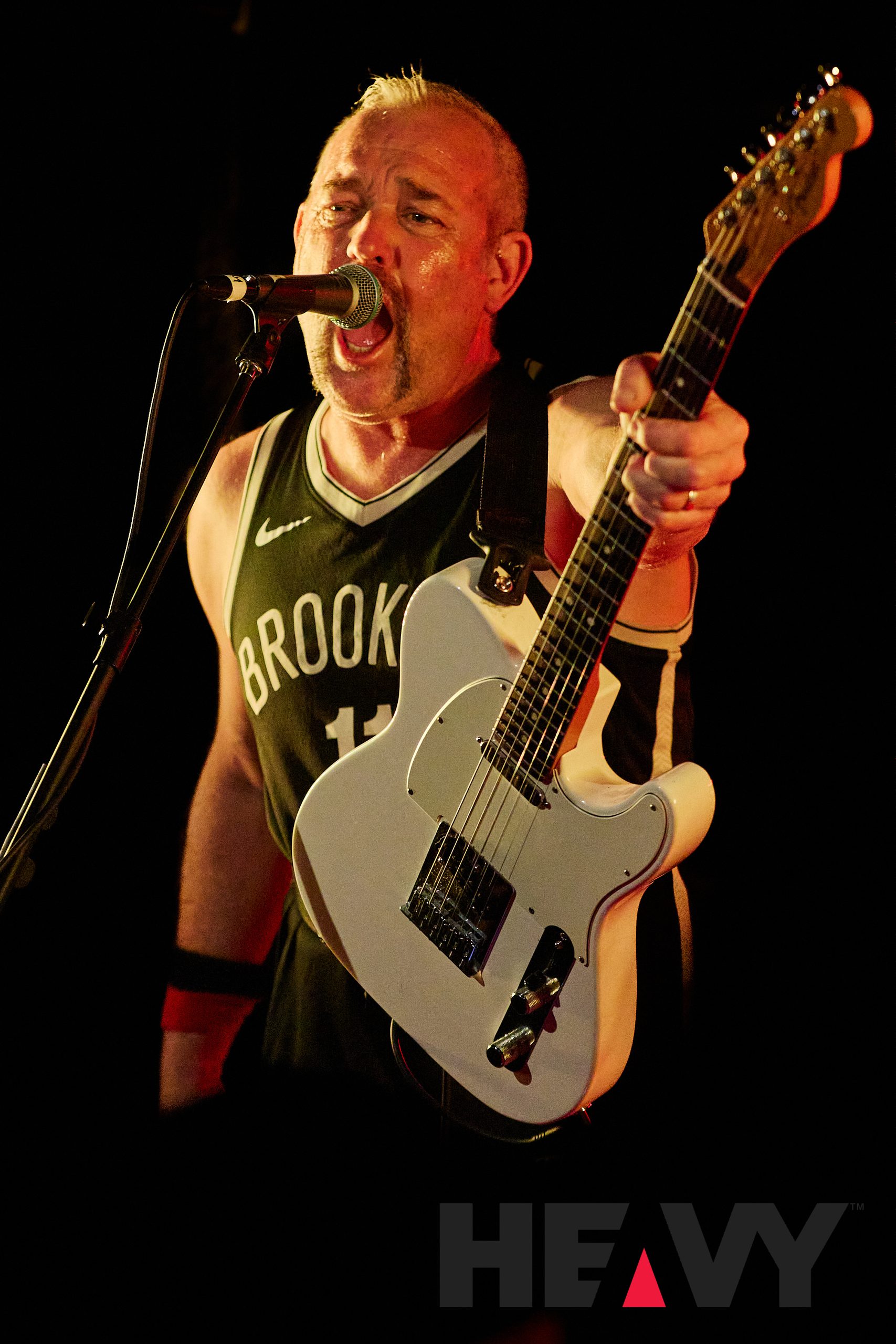
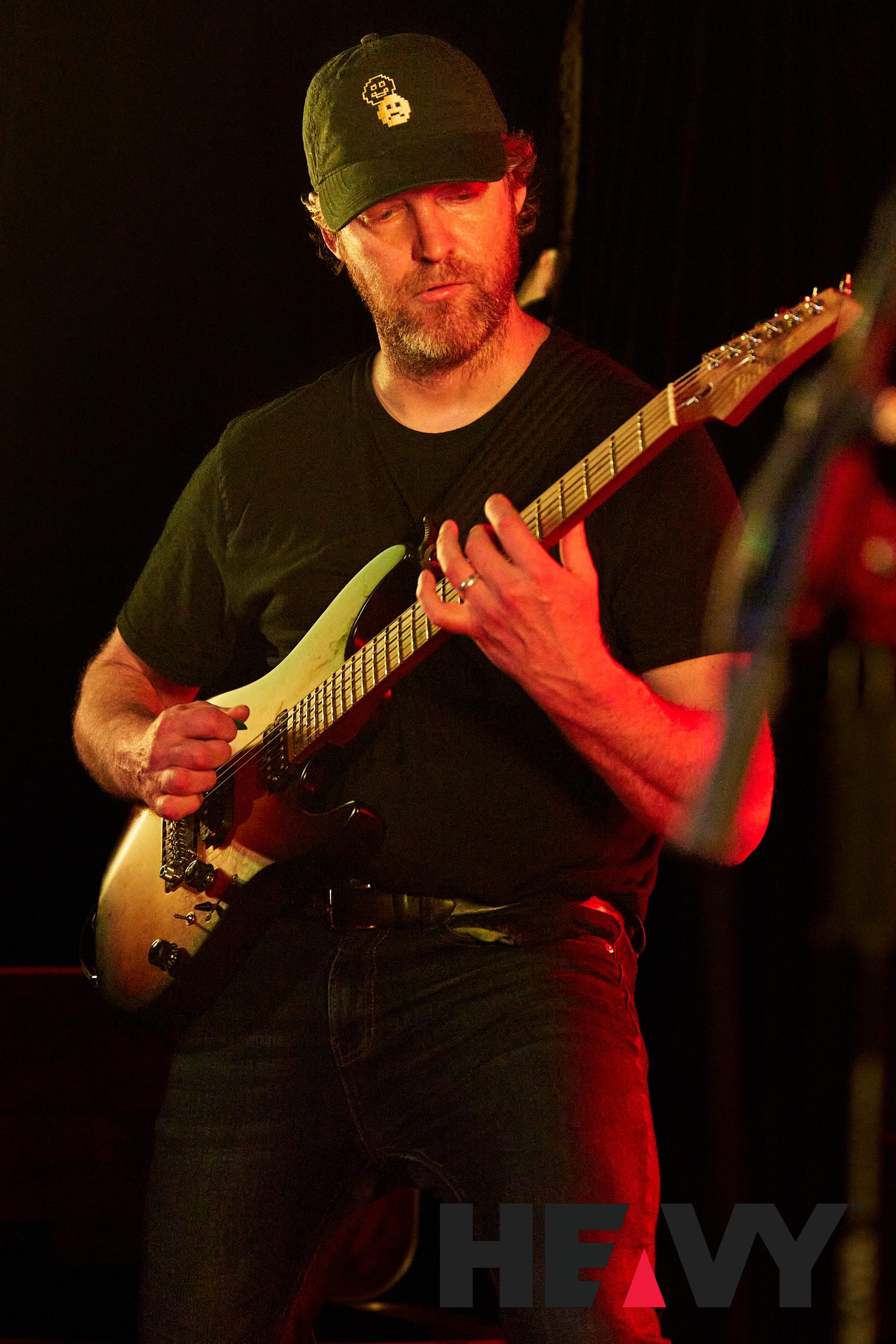
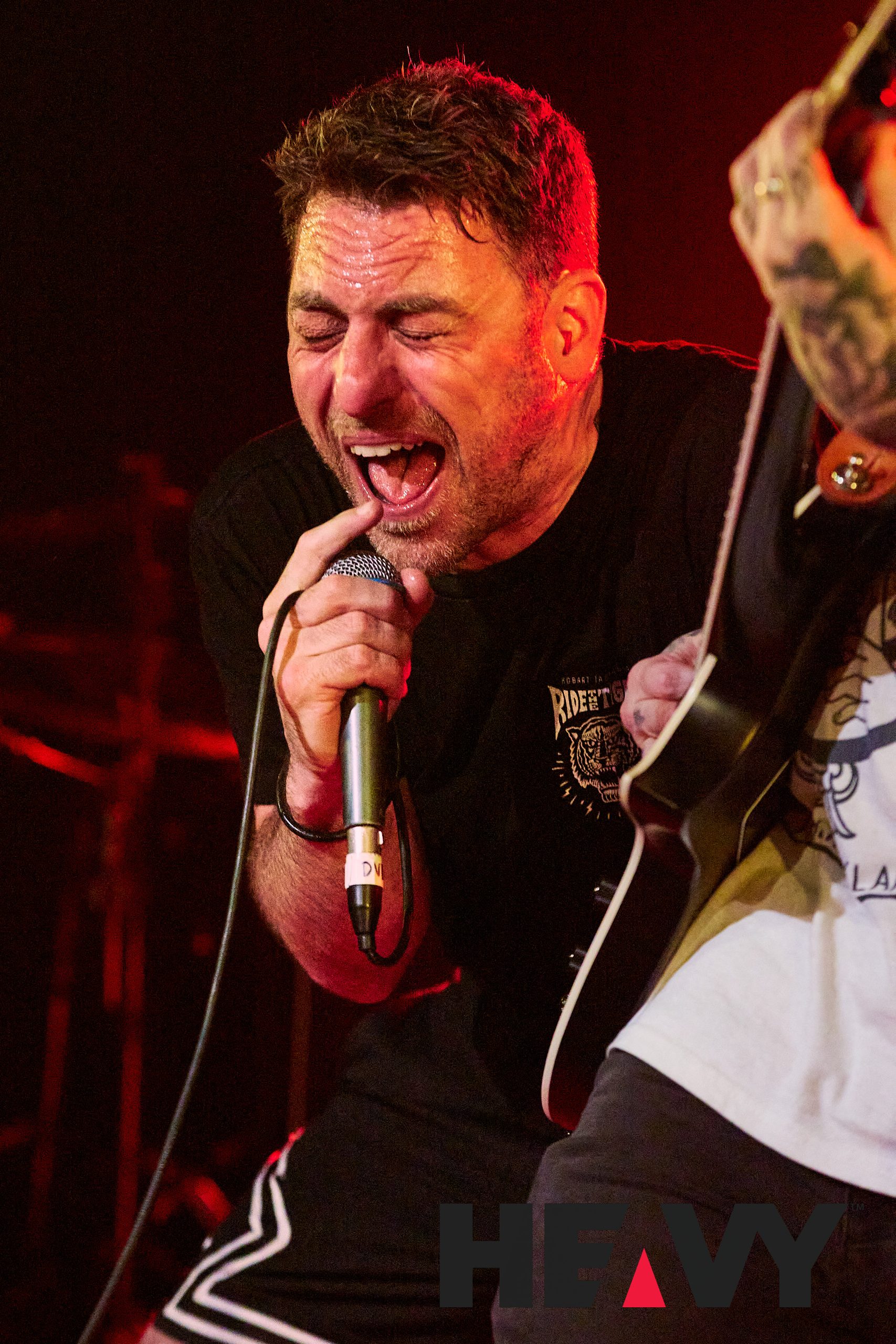
The set was heavily weighted towards How It Works: Calling Orson, Feed It, Ordinary Lives, One in a Million, Make It Up, No Payback, Fall to the Ground, Not the Same and Another Day all making an appearance. It would have been very easy for a 25th anniversary tour to become a museum piece. Instead, Bodyjar played these songs like they still belonged to the room.
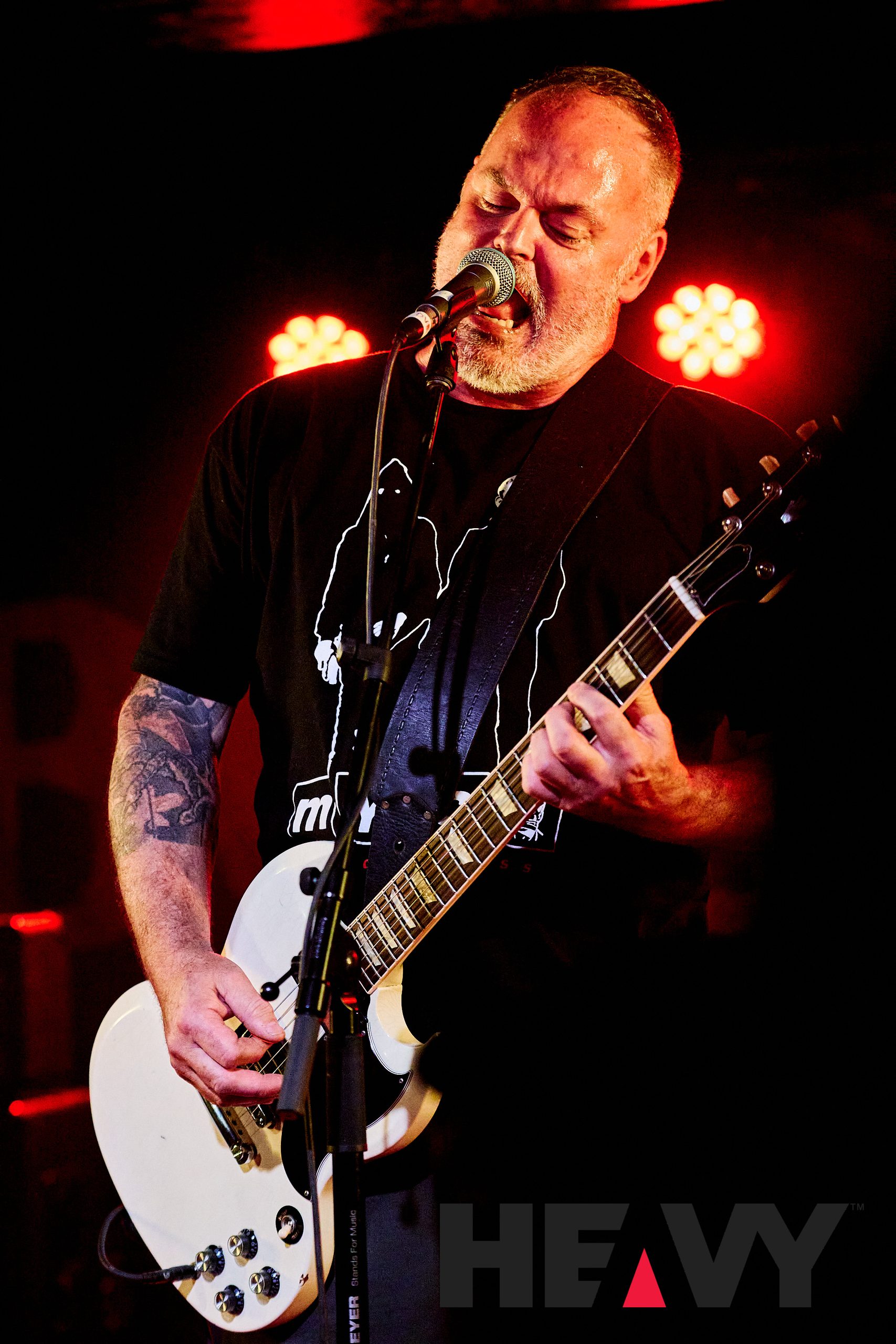
Not the Same remains an absolute weapon live. It is one of those songs that has somehow retained every molecule of its original energy, and hearing the crowd take over the vocals was one of the night’s best moments. The same goes for Feed It, Make It Up and One in a Million. These are songs that have lived long enough to become part of people’s personal histories.
What made the night particularly enjoyable, though, was how little interest Bodyjar seemed to have in behaving like a band performing a heritage set. There was a lot of banter between songs. Including Seinfield theme song played by the band at random moments. The gaps became their own little performances, filled with jokes, stories and plenty of interaction with the crowd. It made the whole thing feel less like a carefully packaged anniversary tour and more like four musicians genuinely having a bloody good time being in a room full of people who knew the words.
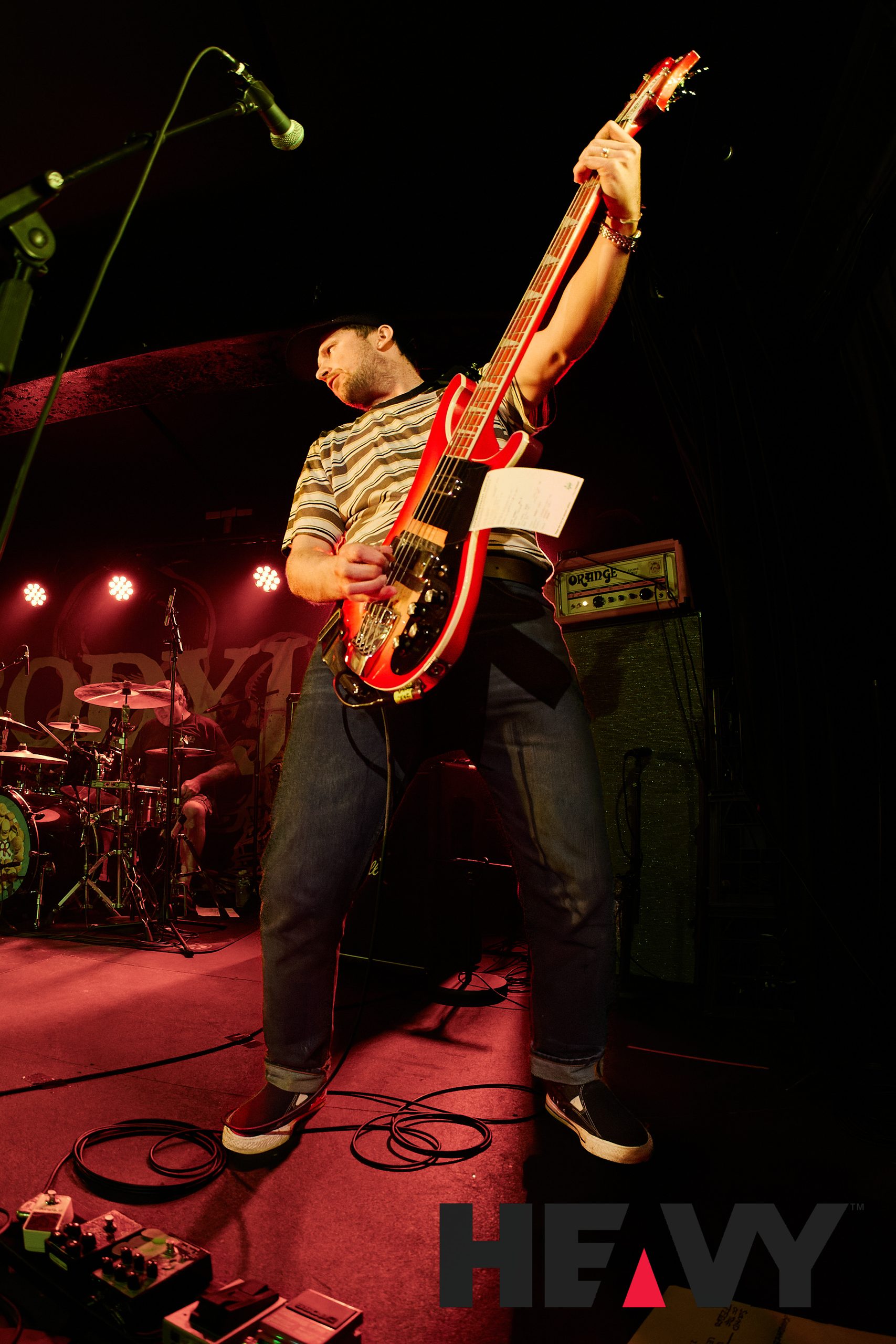
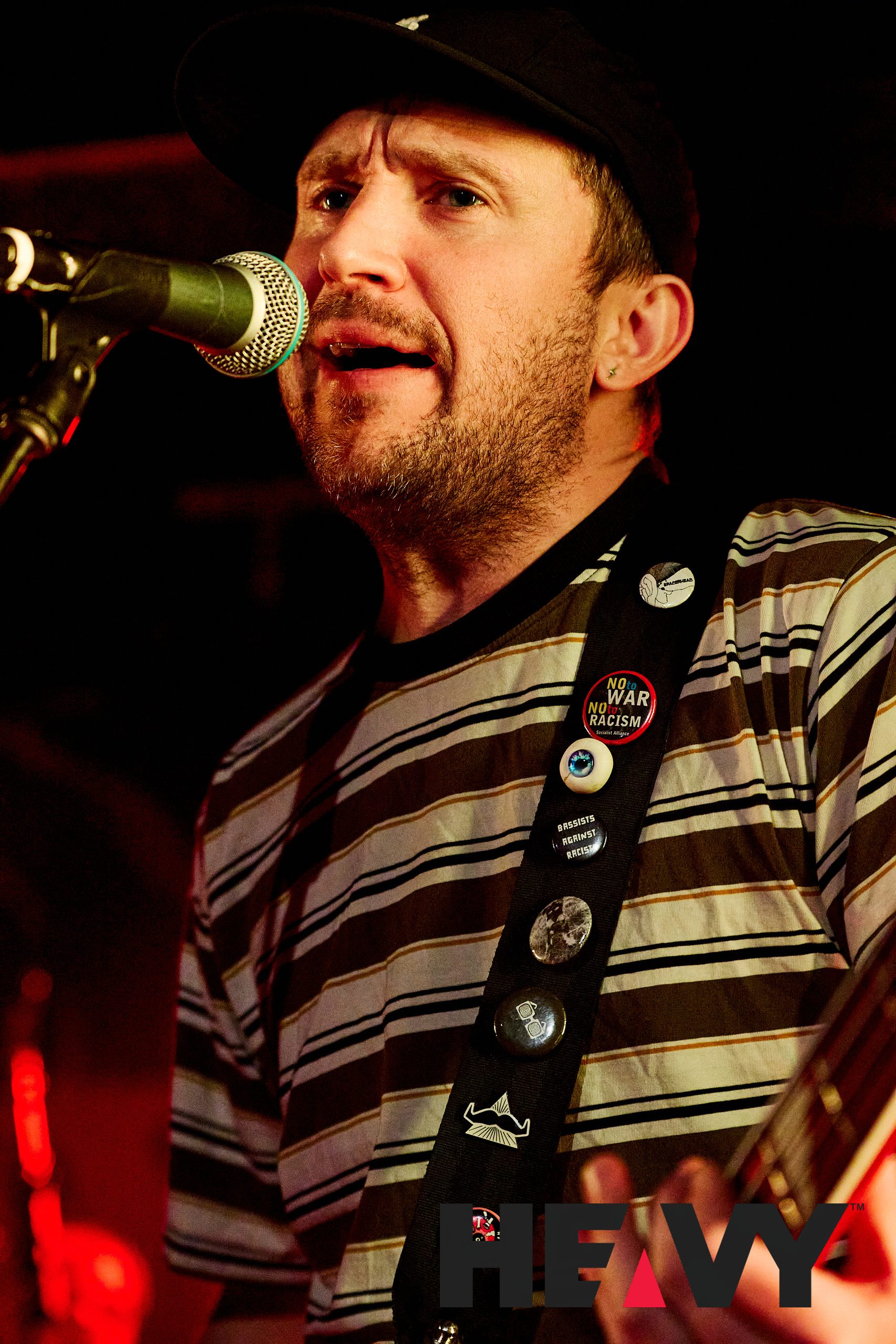
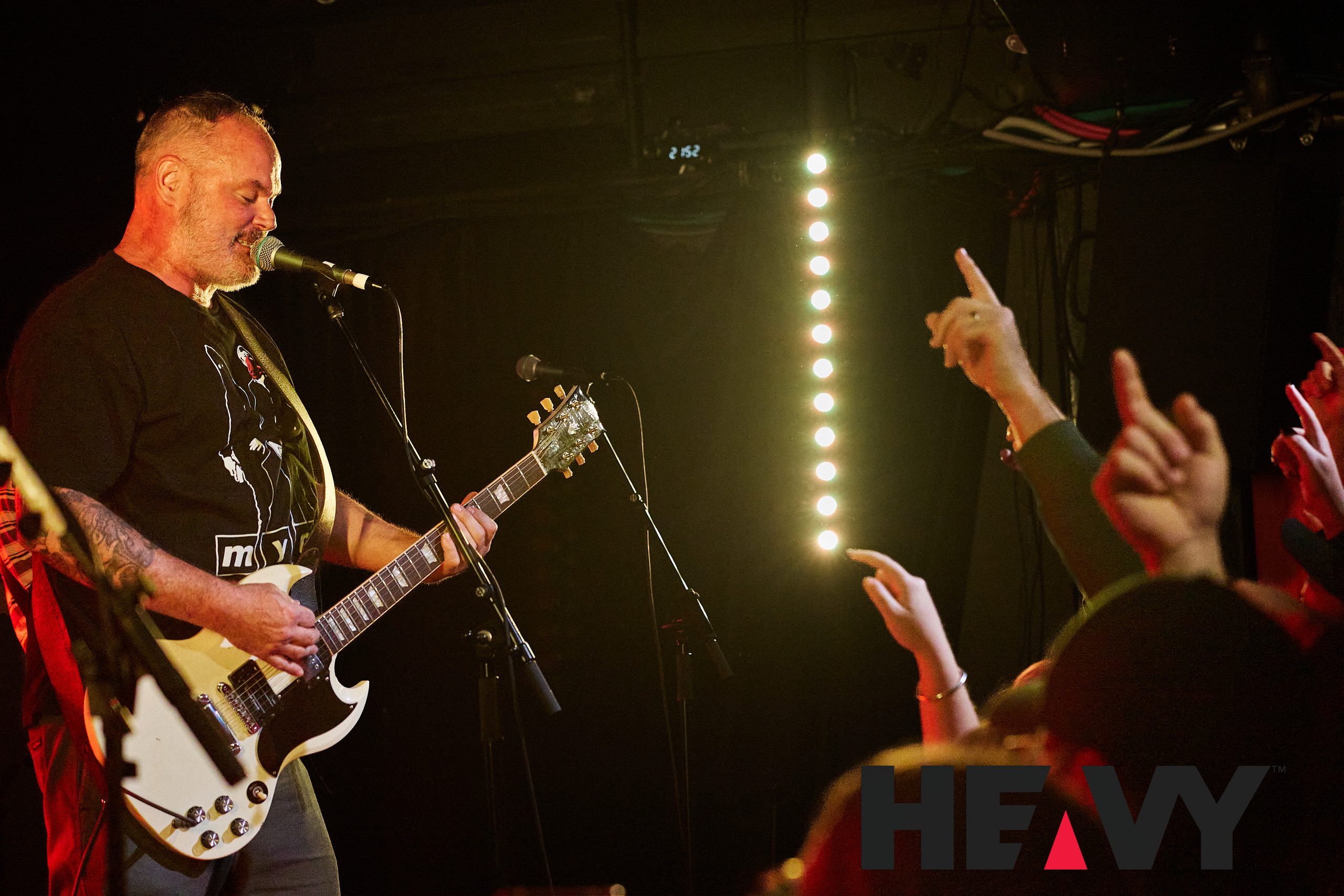
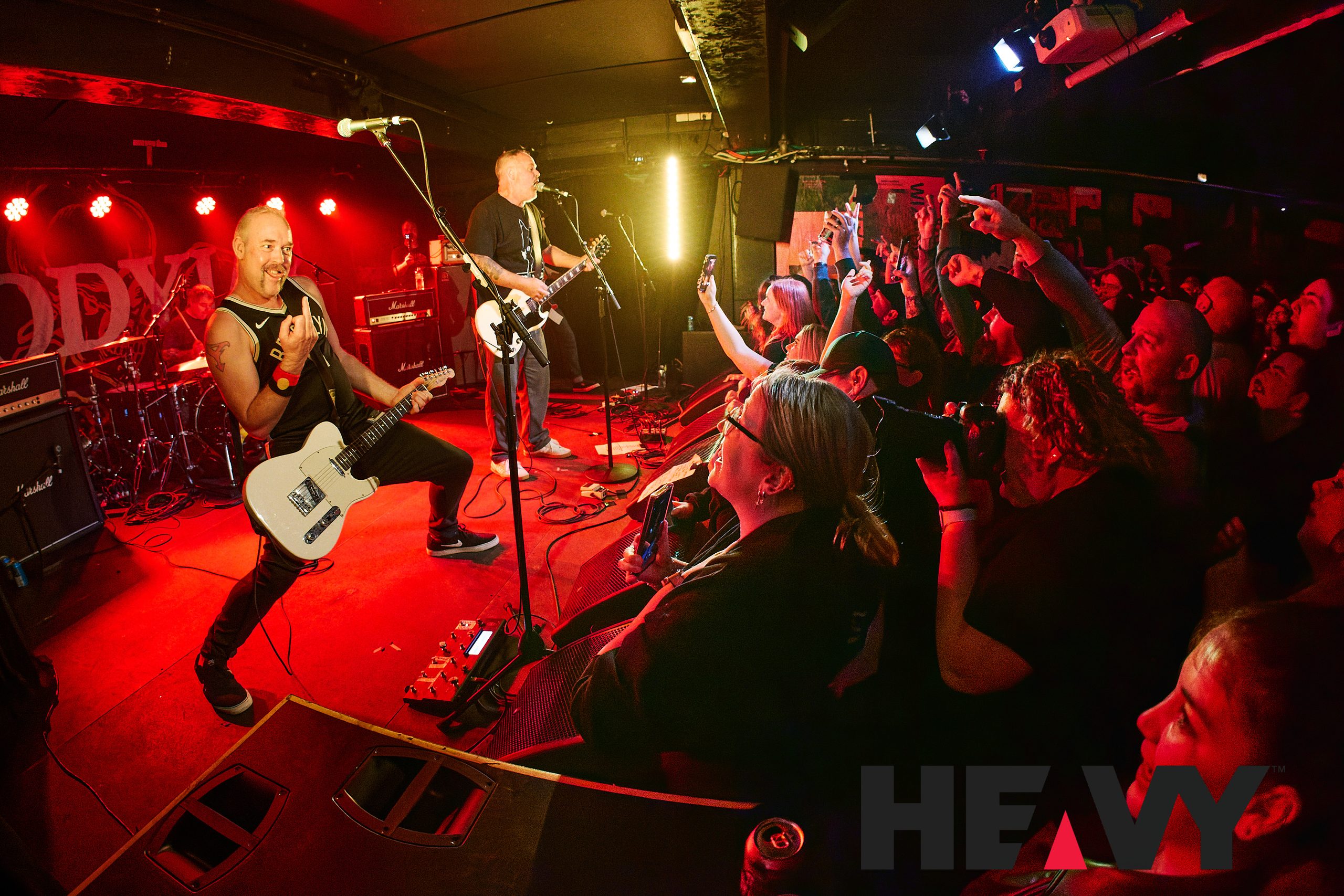
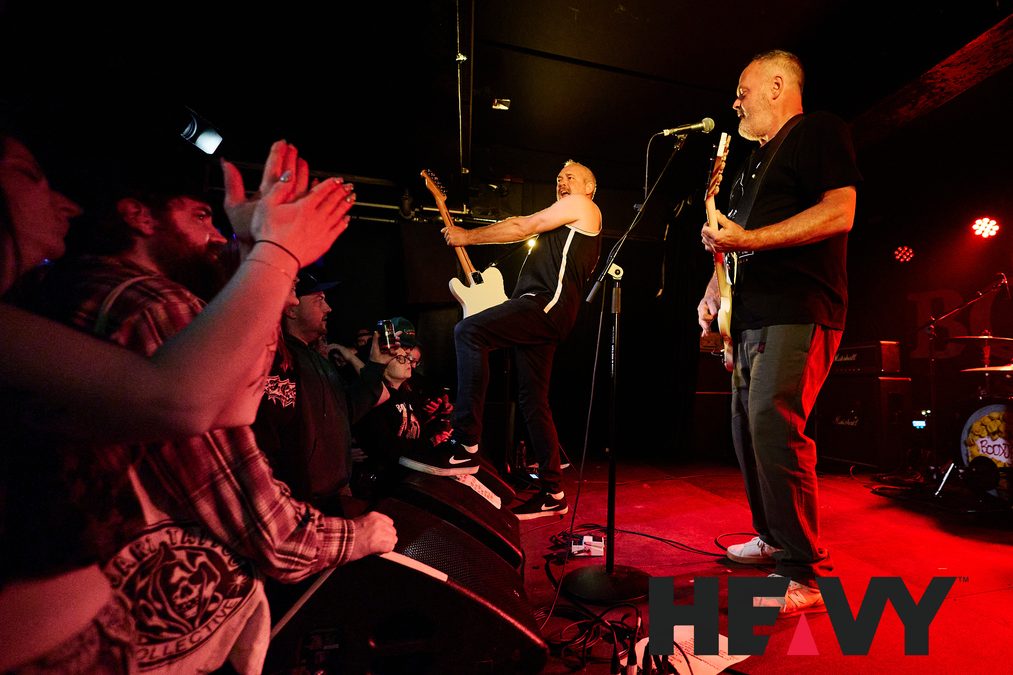
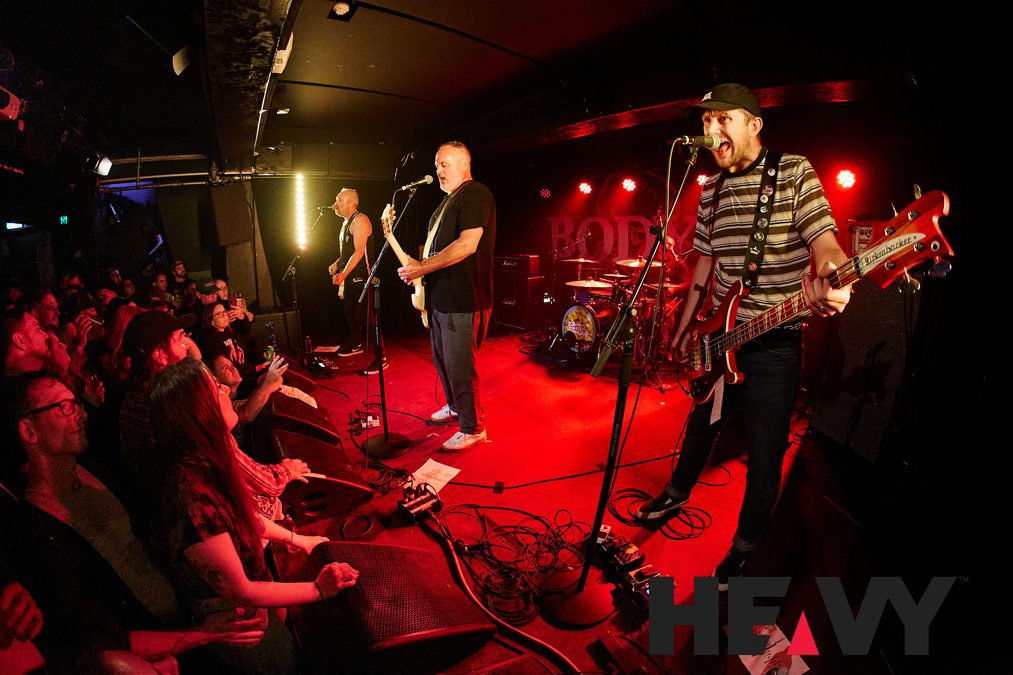
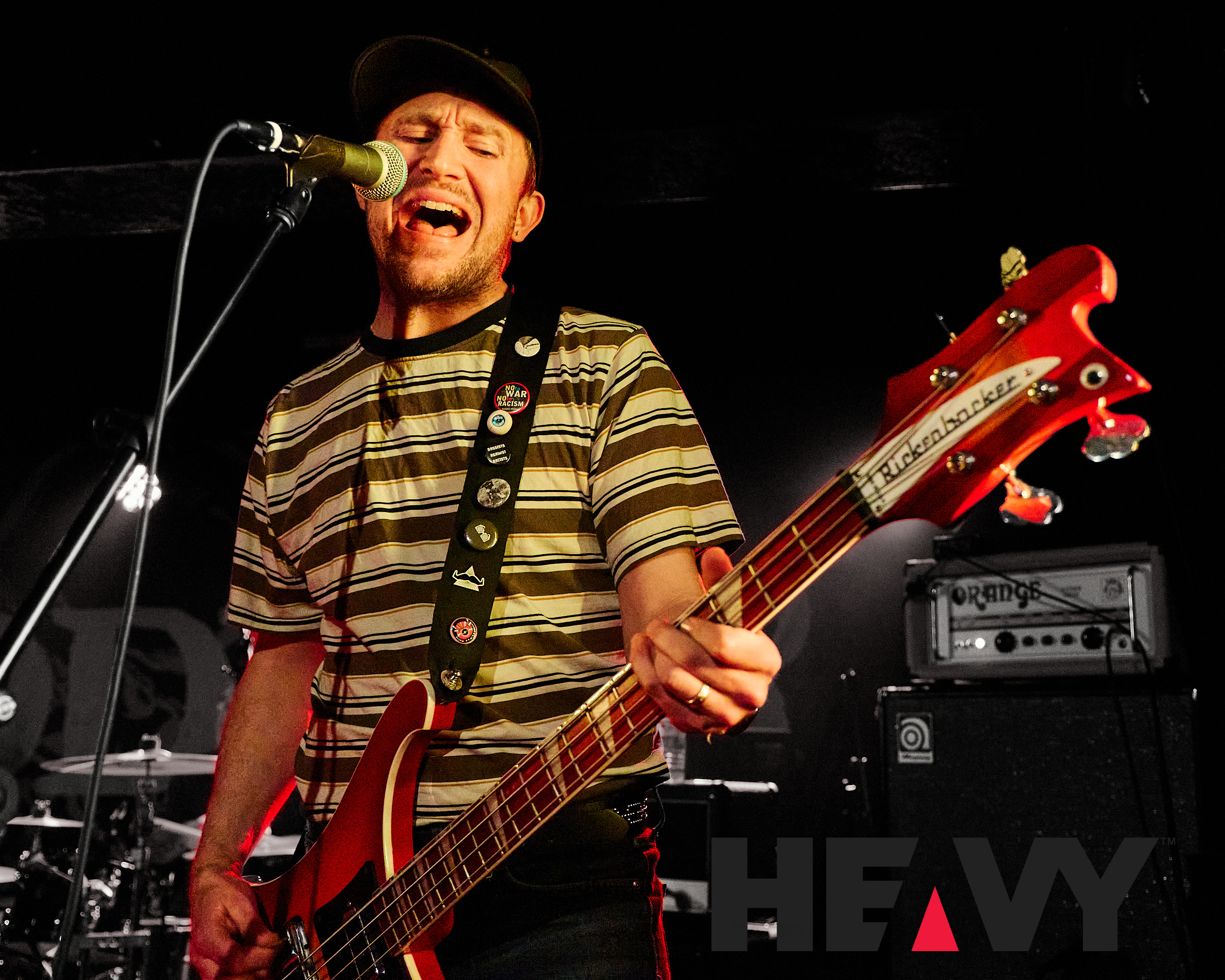
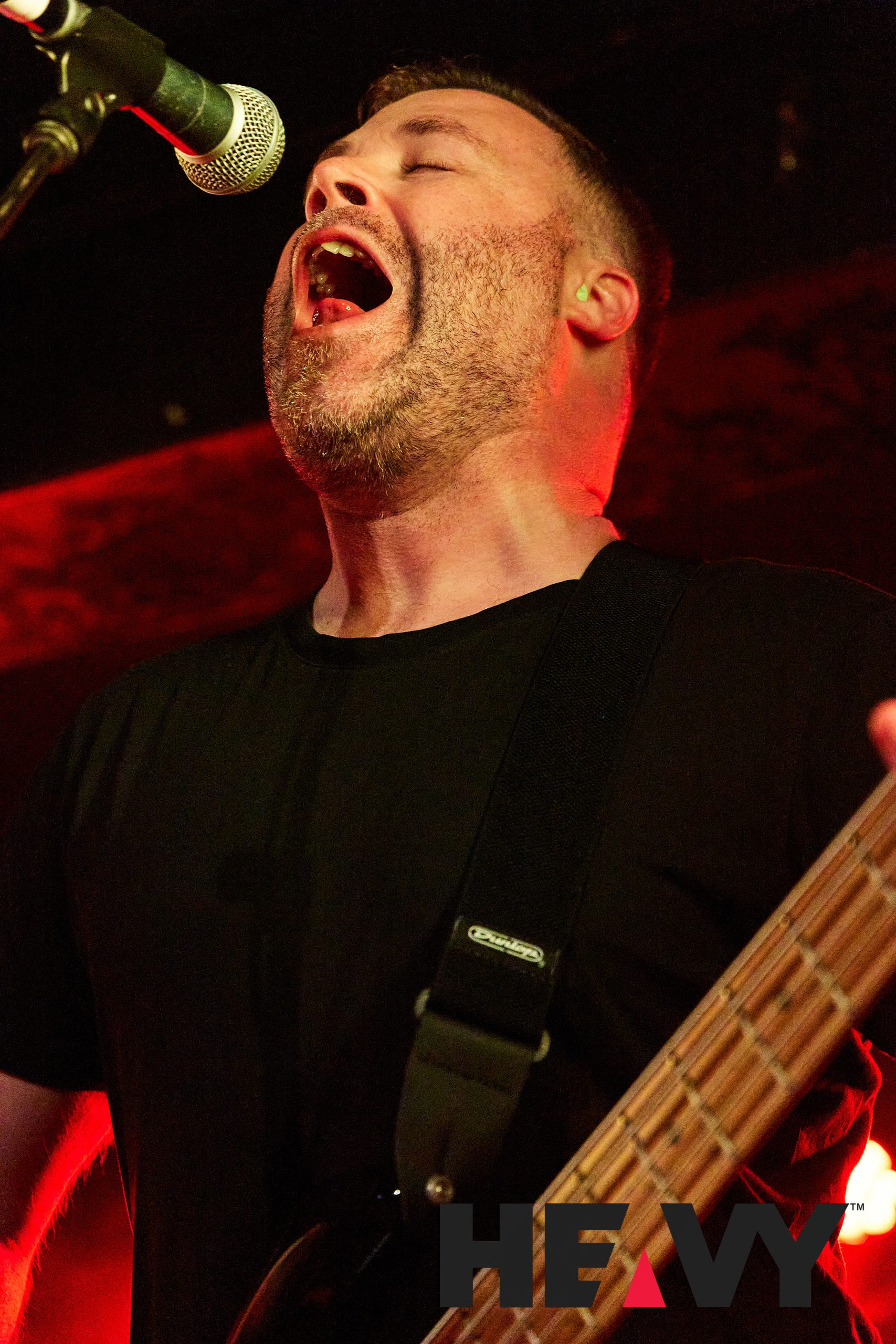
By the middle of the set, the barrier between stage and floor had become increasingly theoretical. Bodies moved forward, hands reached up, people sang at the band rather than simply watching them. Then came Let Em Loose. The new bass player, Nick Manuel, took over vocal duties and, rather than remaining safely onstage, launched himself into the crowd, continuing to sing while crowd surfing. Perfect.
The printed setlist taped to the stage looked almost suspiciously organised for a show that increasingly felt like it was being driven by momentum rather than a piece of paper.
There is also something unexpectedly lovely about the age divide in the room. The crowd seemed to exist at two extremes: really young or considerably older, with almost nobody occupying the middle ground. Yet everyone knew the same songs. Everyone was yelling the same choruses. Everyone was prepared to throw themselves into the same sweaty little pocket of chaos.
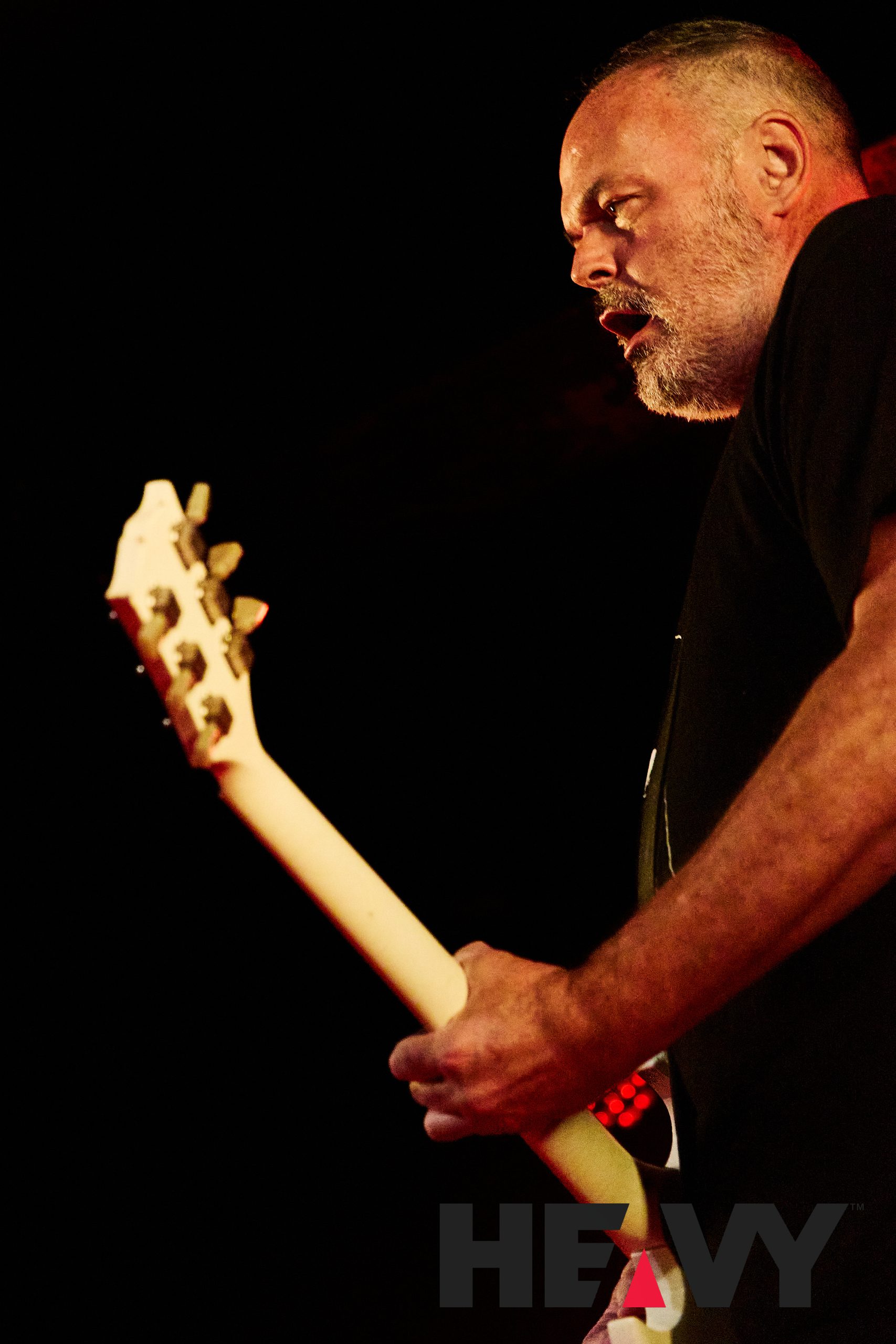
That is probably the best argument for longevity a band can make. Someone can discover them 25 years later and stand beside the person who bought the record when it came out, both screaming the same words back at the stage. Punk has always had a strange relationship with time. Bodyjar seem to have simply ignored it.
By the time the final songs rolled around, Altar Bar had become one sweaty, noisy organism. The kind of gig where you leave with your ears ringing, your clothes smelling vaguely like somebody else’s beer and the distinct feeling that you have been reminded why live music is still worth getting crushed against a stranger for. Twenty-five years on, How It Works still works.
~
PHOTO GALLERY
KNIFE HANDS
BODYJAR